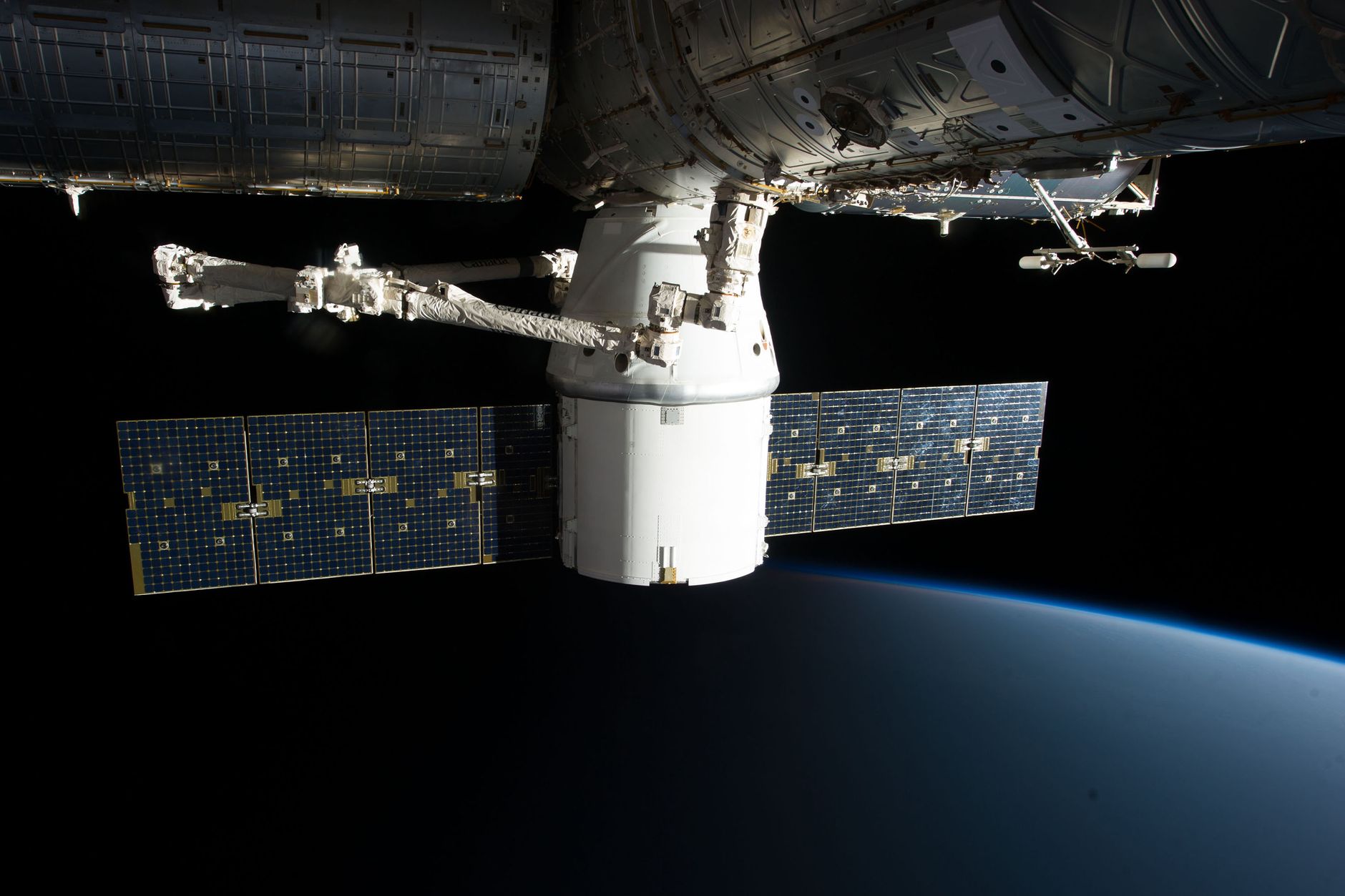
NASA astronaut Chris Williams and his crewmates have returned to Earth after spending 241 days on the space station. The space station is a habitable artificial satellite in low Earth orbit where astronauts and cosmonauts live and work for extended periods. Williams, along with Roscosmos cosmonauts Sergey Kud-Sverchkov and Sergei Mikaev, launched to the space station on November 27, 2025, aboard the Soyuz MS-28 spacecraft.
The crew’s mission was a significant one, with a wide range of scientific investigations and technology demonstrations taking place on the space station. Williams supported research for new cancer treatments and improved in-space manufacturing of materials used in high-performance computers and electronics.
Space Station Research
The space station provides a unique environment for scientific research, with its microgravity conditions allowing for experiments that cannot be conducted on Earth. The crew’s work on the space station helps improve life on Earth and prepares for future human missions to the Moon and Mars. Some of the key areas of research on the space station include:
- Earth and space science
- Life sciences
- Physical sciences
- Technology development
The space station is a critical step in the development of long-duration spaceflight capabilities, which will be necessary for future missions to the Moon and Mars. The experience and knowledge gained from operating the space station will help inform the design and development of future spacecraft and habitats.
Space Station Operations
The space station is a complex system that requires careful planning and operation to ensure the safety of the crew and the success of the mission. The crew must work together to maintain the space station’s systems, conduct scientific research, and perform spacewalks as needed. The space station’s systems include life support, propulsion, and communication systems, all of which must be carefully monitored and maintained.
Future of Space Station
The space station will continue to play a critical role in the development of long-duration spaceflight capabilities, with plans for future missions to the Moon and Mars. The experience and knowledge gained from operating the space station will help inform the design and development of future spacecraft and habitats. As the space station continues to operate, it will provide a unique platform for scientific research and technology development, helping to advance our understanding of the universe and improve life on Earth.
Conclusion
In conclusion, the space station is a vital component of NASA’s plans for long-duration spaceflight, providing a unique environment for scientific research and technology development. The crew’s return to Earth after 241 days on the space station marks the end of an important mission, but it also highlights the significance of the space station in advancing our understanding of the universe and improving life on Earth.
Source: nasa.gov.






Be First to Comment