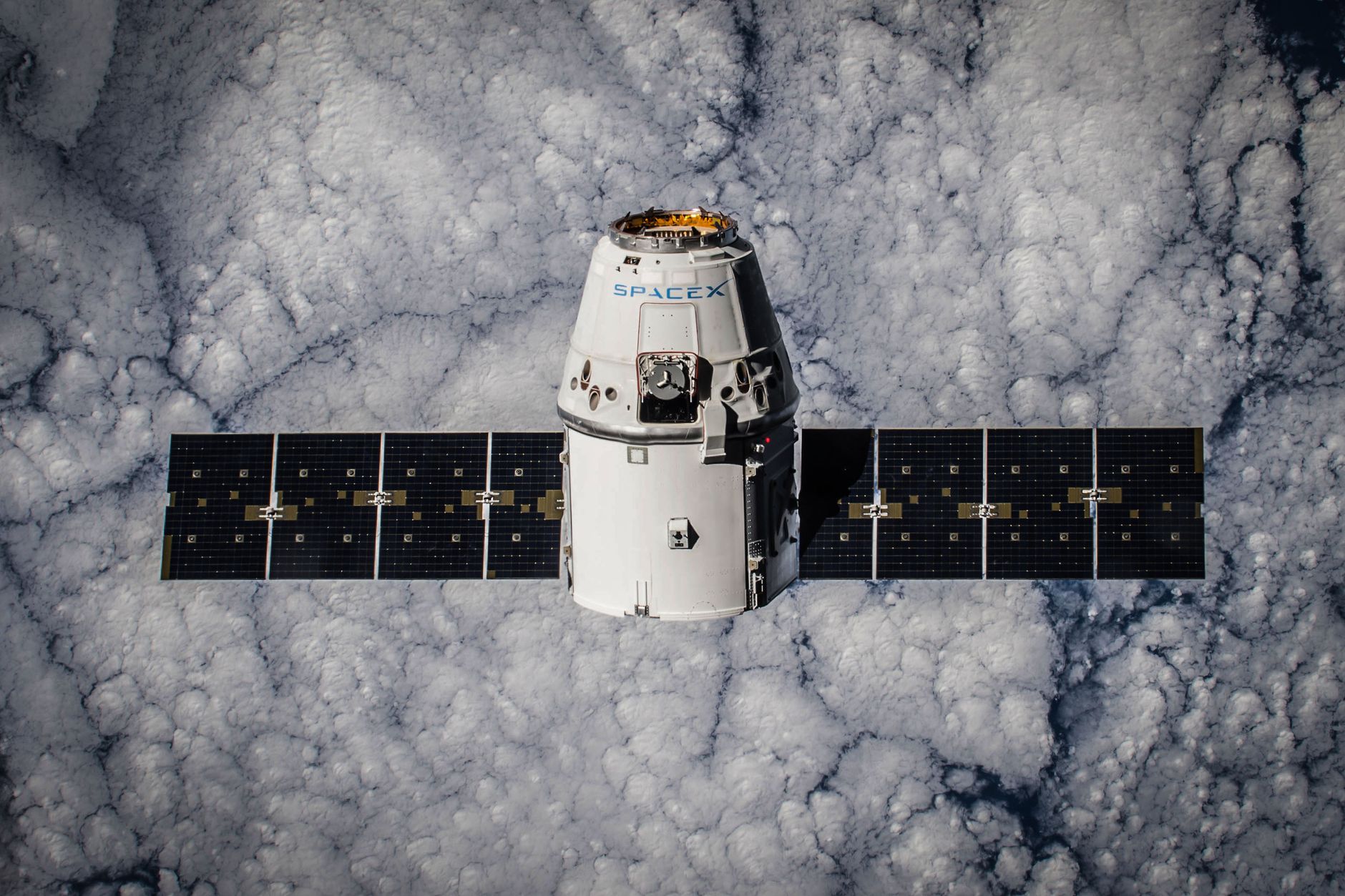
The space station has welcomed three new crew members, marking the beginning of their 8-month mission to conduct space research and other activities. Expedition 74 flight engineers Anna Kikina and Pyotr Dubrov of Roscosmos, and Anil Menon of NASA, arrived at the space station on July 14, 2026, after launching from the Baikonur Cosmodrome in Kazakhstan. The trio is currently in the second week of their mission, using their new skills to adapt to living and working in space.
The space station has been continuously occupied by astronauts and cosmonauts since 2000, with crews conducting a wide range of scientific research and experiments. The latest crew members will continue this work, with a focus on space research and other activities.
Space Station Research
The space station provides a unique environment for conducting scientific research, with its microgravity conditions and orbit around the Earth. The latest crew members will be working on a variety of experiments, including those related to space exploration, Earth science, and human health. Some of the key areas of research include:
- Space exploration: studying the effects of microgravity on living organisms and the development of new technologies for space travel
- Earth science: monitoring the Earth’s climate, weather patterns, and natural resources
- Human health: investigating the effects of microgravity on the human body and developing new treatments for diseases
The space station is an important platform for conducting scientific research, with its unique environment and orbit around the Earth. The latest crew members will be working to advance our understanding of space and the Earth, and to develop new technologies and treatments.
Life on the Space Station
Living and working on the space station is a challenging and unique experience. The crew members must adapt to a microgravity environment, where everyday activities such as eating, sleeping, and exercising are different from those on Earth. The space station is equipped with a range of facilities, including a gym, kitchen, and sleeping quarters, to support the crew members during their stay.
The crew members will also be working to maintain the space station, performing routine maintenance tasks and repairs to ensure the continued operation of the facility. This includes tasks such as cleaning and replacing air filters, checking the status of the life support systems, and performing software updates.
Space Station Operations
The space station is operated by a team of mission control specialists, who work around the clock to monitor the facility and support the crew members. The mission control team is responsible for a range of tasks, including monitoring the space station’s systems, coordinating scientific experiments, and providing support to the crew members.
The space station is an international partnership, with five space agencies involved in its operation: NASA, Roscosmos, JAXA, ESA, and CSA. The partnership provides a unique opportunity for cooperation and collaboration, with each agency contributing its expertise and resources to the mission.
Future of the Space Station
The space station has been in operation for over 20 years, and it is expected to continue operating until at least 2028. The facility has been extended several times, with new modules and facilities added to support the growing needs of the scientific community. The space station is an important platform for conducting scientific research, and it will continue to play a vital role in advancing our understanding of space and the Earth.
Source: nasa.gov.





Be First to Comment