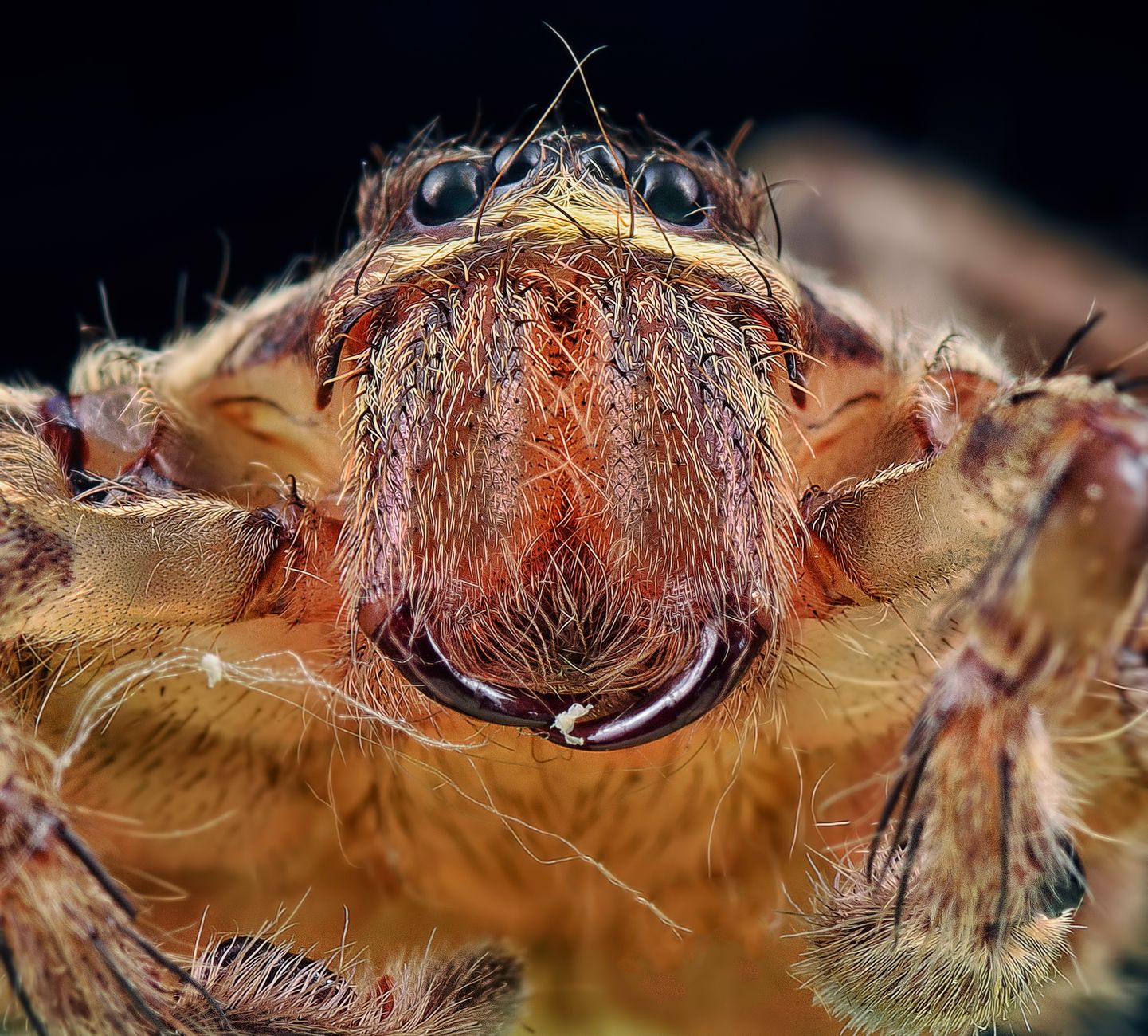
The discovery of a 518 million year old sea creature has shed new light on the origins of spider fangs. This tiny creature, which lived during the Cambrian period, has revealed the earliest known evidence of the structures that eventually became spiders’ fangs. The fossil, which was found with pincerlike limbs and preserved soft tissues, helps explain how the ancestors of spiders and scorpions evolved into formidable hunters.
The evolution of spider fangs is a complex and fascinating process that has captivated scientists for decades. The discovery of this ancient creature provides a unique glimpse into the history of these structures and how they developed over time. By studying the fossil and its preserved tissues, researchers can gain a better understanding of how spider fangs evolved and how they became the powerful tools that spiders use today.
Spider Fangs and the Cambrian Period
The Cambrian period, which spanned from approximately 541 to 485 million years ago, was a time of great change and diversification on Earth. During this period, many of the major animal groups that exist today, including arthropods, vertebrates, and mollusks, first appeared. The discovery of the 518 million year old sea creature provides new insights into the evolution of these groups and how they developed over time.
The Cambrian period was also a time of significant geological change, with the formation of many of the Earth’s major mountain ranges and the creation of new oceans. These changes had a profound impact on the evolution of life on Earth, and the discovery of the ancient sea creature provides a unique glimpse into this process.
The Evolution of Spider Fangs
Spider fangs are complex structures that are made up of a combination of hard and soft tissues. They are used by spiders to capture and kill their prey, and are a key component of the spider’s venom delivery system. The evolution of spider fangs is closely tied to the evolution of spiders themselves, and the discovery of the 518 million year old sea creature provides new insights into this process.
One of the key questions that researchers have been trying to answer is how spider fangs evolved from the simple appendages that existed in the earliest arthropods. The discovery of the ancient sea creature provides a unique glimpse into this process, and suggests that the evolution of spider fangs was a gradual process that occurred over millions of years.
Key Features of Spider Fangs
- Complex structure made up of hard and soft tissues
- Used by spiders to capture and kill prey
- Key component of the spider’s venom delivery system
- Evolving over millions of years from simple appendages
- Found in a variety of spider species, including tarantulas and wolf spiders
The discovery of the 518 million year old sea creature has significant implications for our understanding of the evolution of spider fangs. By studying the fossil and its preserved tissues, researchers can gain a better understanding of how these structures developed over time and how they became the powerful tools that spiders use today.
Conclusion and Future Research Directions
The discovery of the 518 million year old sea creature is an exciting development in the field of arachnology, and provides new insights into the evolution of spider fangs. Further research is needed to fully understand the significance of this discovery and to explore the implications of the findings. By continuing to study the fossil and its preserved tissues, researchers can gain a better understanding of the evolution of spider fangs and how they became the complex structures that exist today.
The study of spider fangs is an ongoing area of research, and new discoveries are continually being made. As researchers continue to explore the evolution of these structures, they may uncover new insights into the biology and behavior of spiders, and may develop new approaches to understanding the complex interactions between spiders and their environments.
Source: sciencedaily.com.






Be First to Comment