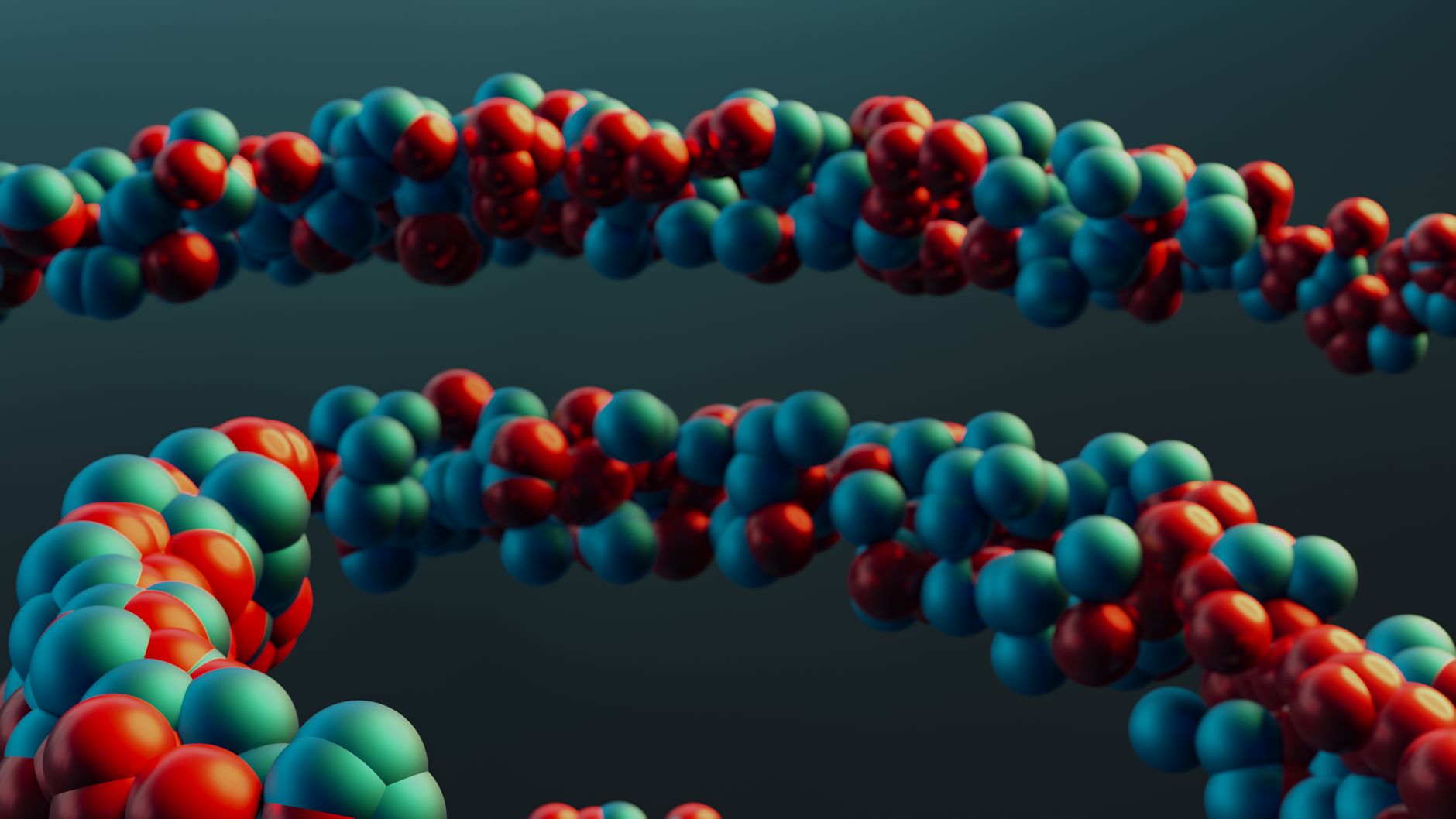
Researchers have made a groundbreaking discovery about the tau protein, finding that it is essential for turning new experiences into lasting memories by helping organize the brain’s memory-storing cells. The tau protein has a surprising secret role in memory, and this breakthrough could change our understanding of how memories are formed and retained. The study, which was conducted on mice, also revealed how abnormal tau may contribute to Alzheimer’s by disrupting both the formation of new memories and the recall of existing ones.
The implications of this discovery are significant, as it could lead to new treatments for Alzheimer’s and other memory-related diseases. The tau protein has long been known to be involved in the progression of Alzheimer’s, but its exact role was not well understood. This new research sheds light on the importance of tau in memory formation and retention.
Tau Protein and Memory Formation
The tau protein is a type of protein that is found in the brain and is involved in the formation and maintenance of microtubules, which are structures that provide support and stability to cells. In the context of memory formation, the tau protein plays a crucial role in helping to organize the brain’s memory-storing cells, known as neurons. When new experiences are encountered, the tau protein helps to strengthen the connections between neurons, allowing the experience to be consolidated into a lasting memory.
This process is essential for learning and memory, and disruptions to the tau protein have been linked to a range of cognitive disorders, including Alzheimer’s disease. The new research suggests that abnormal tau may contribute to Alzheimer’s by disrupting the formation of new memories and the recall of existing ones.
The Role of Abnormal Tau in Alzheimer’s
Abnormal tau is a hallmark of Alzheimer’s disease, and it is thought to play a key role in the progression of the disease. The new research suggests that abnormal tau may disrupt the formation of new memories by interfering with the organization of neurons in the brain. This could lead to difficulties with learning and memory, which are common symptoms of Alzheimer’s.
In addition to disrupting the formation of new memories, abnormal tau may also interfere with the recall of existing ones. This could lead to difficulties with memory retrieval, which is also a common symptom of Alzheimer’s. The new research provides important insights into the role of tau in Alzheimer’s and could lead to the development of new treatments for the disease.
Implications and Future Directions
The discovery of the tau protein’s role in memory formation has significant implications for our understanding of Alzheimer’s disease and other memory-related disorders. The research suggests that targeting the tau protein could be a promising strategy for the development of new treatments for these diseases.
- The tau protein plays a crucial role in memory formation and retention
- Abnormal tau is a hallmark of Alzheimer’s disease and may disrupt the formation of new memories and the recall of existing ones
- Targeting the tau protein could be a promising strategy for the development of new treatments for Alzheimer’s and other memory-related disorders
Conclusion and Future Research
In conclusion, the discovery of the tau protein’s role in memory formation is a significant breakthrough that could change our understanding of how memories are formed and retained. The research provides important insights into the role of tau in Alzheimer’s disease and could lead to the development of new treatments for the disease. Further research is needed to fully understand the role of tau in memory formation and to explore the potential of targeting the tau protein for the treatment of Alzheimer’s and other memory-related disorders.
Source: sciencedaily.com.






Be First to Comment