The Tempel 2 comet has been making headlines in the astronomical community with its recent close approach to the globular star cluster Messier 30. This unexpected encounter has left scientists and stargazers alike in awe of the vast and mysterious universe we inhabit. As we delve into the details of this cosmic event, we find ourselves pondering the wonders of the Tempel 2 comet and its significance in the grand scheme of our solar system.
The Tempel 2 comet, also known as 10P/Tempel 2, is a periodic comet that has been observed and studied by astronomers for centuries. Its orbital path takes it close to the sun, causing it to release gas and dust, creating a bright tail of debris that can be seen from Earth. This comet has been a subject of interest for astronomers due to its unique composition and behavior.
Tempel 2 and Messier 30: A Celestial Encounter
The recent encounter between Tempel 2 and Messier 30 has sparked excitement among astronomers and scientists. Messier 30, a globular star cluster, is a dense collection of stars that are held together by gravity. The cluster is approximately 28,000 light-years away from Earth, while Tempel 2 was a mere 3.5 light-minutes away during its close approach. This proximity has allowed scientists to study the comet’s behavior and composition in greater detail.
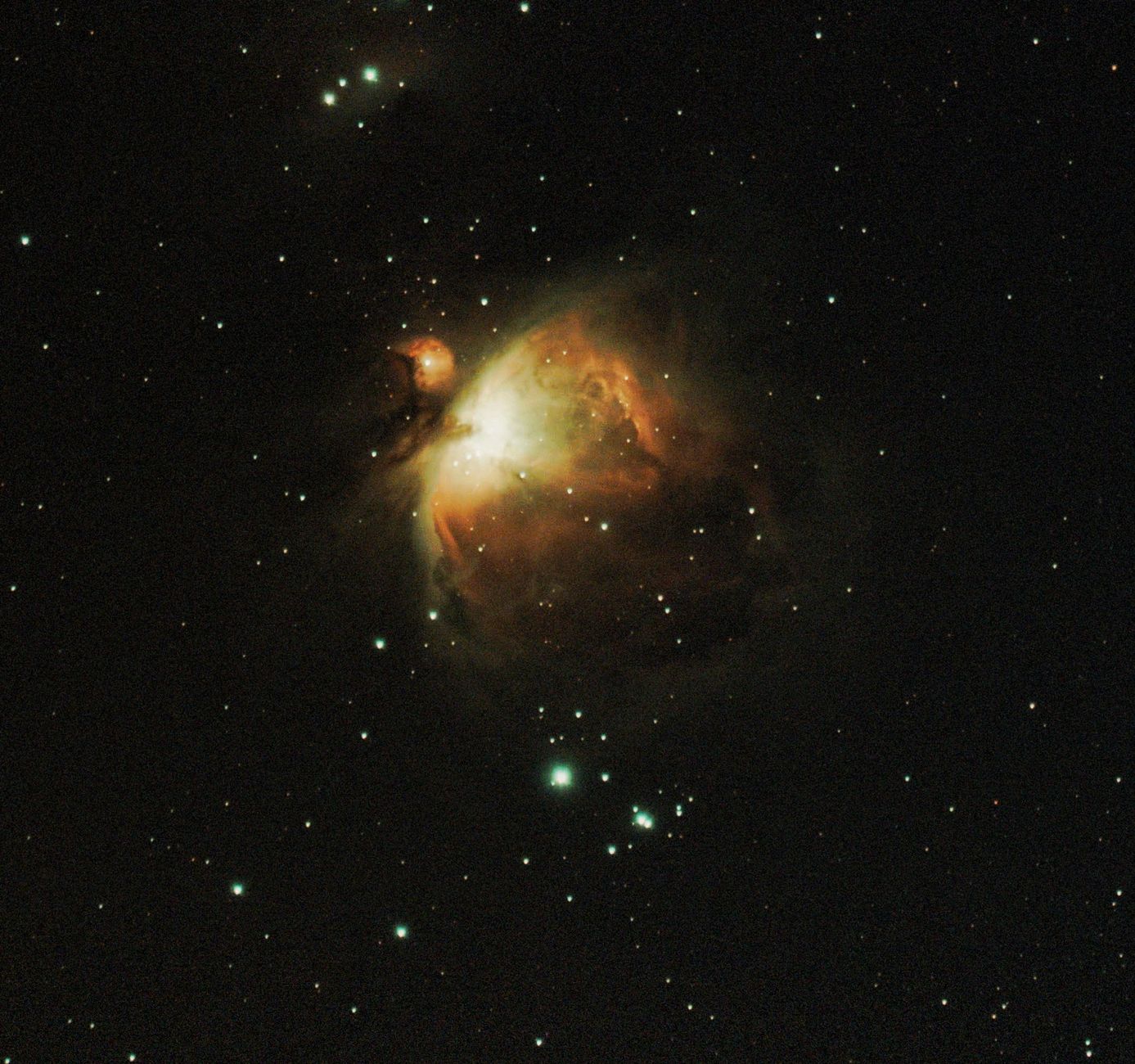
The image captured on July 29 shows the Tempel 2 comet and Messier 30 in the same frame, with the comet’s faint, narrow, orbital dust trail appearing to pierce the globular star cluster. This visual representation of the encounter has given scientists a unique opportunity to study the interactions between the comet and the star cluster.
Understanding Comets and Their Role in the Solar System
Comets like Tempel 2 play a significant role in our understanding of the solar system and its formation. These icy bodies are thought to have originated from the outer reaches of the solar system, where they have been preserved in a frozen state for millions of years. As they approach the sun, they release gas and dust, providing valuable insights into the composition and evolution of our solar system.
- Comets are thought to have delivered water and organic molecules to Earth, potentially contributing to the emergence of life.
- They offer a window into the early formation and evolution of the solar system, providing clues about the conditions that existed during its formation.
- Studying comets like Tempel 2 can help scientists better understand the solar system’s structure and dynamics.
The Significance of the Tempel 2 Comet
The Tempel 2 comet is not just a fascinating celestial object; it also holds significant scientific value. Its close approach to Messier 30 has provided scientists with a unique opportunity to study the comet’s behavior and composition in greater detail. As we continue to explore and study the Tempel 2 comet, we may uncover new insights into the solar system and its many mysteries.
Conclusion and Future Implications
The encounter between Tempel 2 and Messier 30 serves as a reminder of the awe-inspiring complexity and beauty of the universe. As we continue to explore and study celestial objects like comets and star clusters, we may uncover new insights into the solar system and its many mysteries. The study of Tempel 2 and its interactions with Messier 30 will undoubtedly contribute to our understanding of the universe, leaving us with a deeper appreciation for the vast and intricate cosmos that surrounds us.
Source: science.nasa.gov.






Be First to Comment