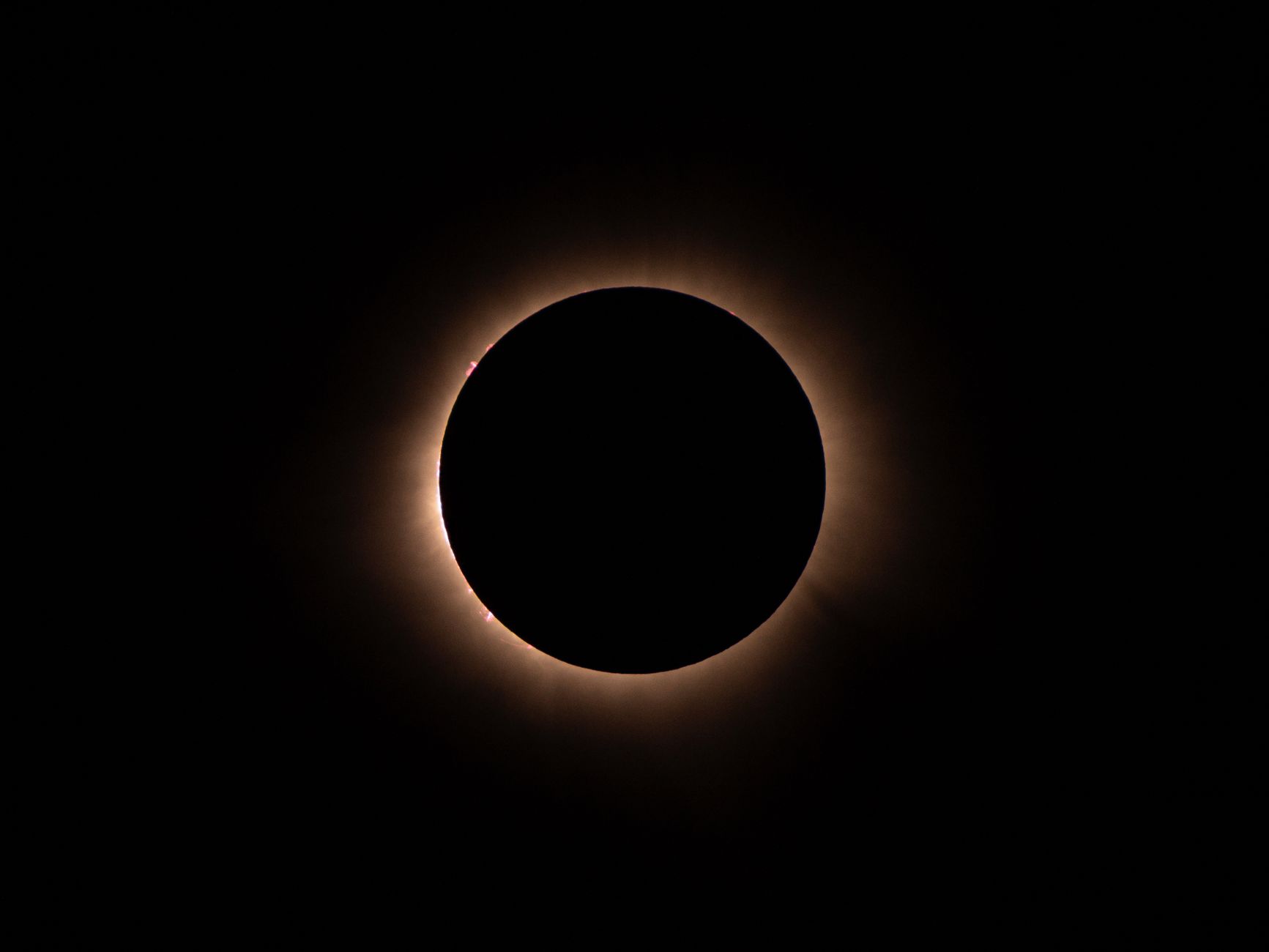
The total solar eclipse is a rare and awe-inspiring phenomenon where the Moon blocks the Sun’s light, revealing the corona and its mysteries. On August 12th, 2026, the Moon totally eclipsed the Sun and cast its shadow across Siberia, Greenland, Iceland, Spain, and Portugal. This event marked Spain’s first major total solar eclipse since 1905, offering a unique opportunity for scientists and enthusiasts to study the corona and its properties.
For a few moments, Spain saw its first major total solar eclipse since 1905, with the Moon’s shadow falling on the Cathedral-Basilica of Our Lady of the Pillar and the Ebro River. Those witnessing totality may experience a chill in the air, the quieting of birds, the confused chirps of insects, and the shared awe of many. The total solar eclipse is not only a rare phenomenon but also an opportunity for scientists to study the corona, which is millions of degrees hotter than the Sun’s surface.
Total Solar Eclipse: A Rare Phenomenon
The total solar eclipse is a rare phenomenon that occurs when the Moon passes directly between the Earth and the Sun, blocking the Sun’s light and revealing the corona. The corona is the outer atmosphere of the Sun, and it is much hotter than the Sun’s surface. The total solar eclipse offers a unique opportunity for scientists to study the corona and its properties, which can help us better understand the Sun and its behavior.
Enthusiastic citizens can contribute to these studies by recording how wildlife responds, imaging the corona, and monitoring air temperature and clouds. By studying the total solar eclipse, scientists can gain a better understanding of the Sun’s behavior and its impact on the Earth’s climate. The total solar eclipse is a rare and awe-inspiring phenomenon that offers a unique opportunity for scientists and enthusiasts to study the corona and its mysteries.
Studying the Corona
The corona is a complex and mysterious region of the Sun’s atmosphere, and studying it can help us better understand the Sun’s behavior and its impact on the Earth’s climate. The total solar eclipse offers a unique opportunity for scientists to study the corona and its properties, which can help us gain a better understanding of the Sun and its behavior. By studying the corona, scientists can learn more about the Sun’s magnetic field, its solar wind, and its impact on the Earth’s climate.
- The corona is millions of degrees hotter than the Sun’s surface
- The corona is the outer atmosphere of the Sun
- The total solar eclipse offers a unique opportunity for scientists to study the corona and its properties
The total solar eclipse is a rare and awe-inspiring phenomenon that offers a unique opportunity for scientists and enthusiasts to study the corona and its mysteries. By studying the total solar eclipse, scientists can gain a better understanding of the Sun’s behavior and its impact on the Earth’s climate. The total solar eclipse is a rare phenomenon that occurs when the Moon passes directly between the Earth and the Sun, blocking the Sun’s light and revealing the corona.
Implications of the Total Solar Eclipse
The total solar eclipse has significant implications for our understanding of the Sun and its behavior. By studying the corona and its properties, scientists can gain a better understanding of the Sun’s magnetic field, its solar wind, and its impact on the Earth’s climate. The total solar eclipse is a rare and awe-inspiring phenomenon that offers a unique opportunity for scientists and enthusiasts to study the corona and its mysteries.
Conclusion
In conclusion, the total solar eclipse is a rare and awe-inspiring phenomenon that offers a unique opportunity for scientists and enthusiasts to study the corona and its mysteries. By studying the total solar eclipse, scientists can gain a better understanding of the Sun’s behavior and its impact on the Earth’s climate. The total solar eclipse is a significant event that can help us better understand the Sun and its behavior, and it is an opportunity that should not be missed.
Source: science.nasa.gov.






Be First to Comment