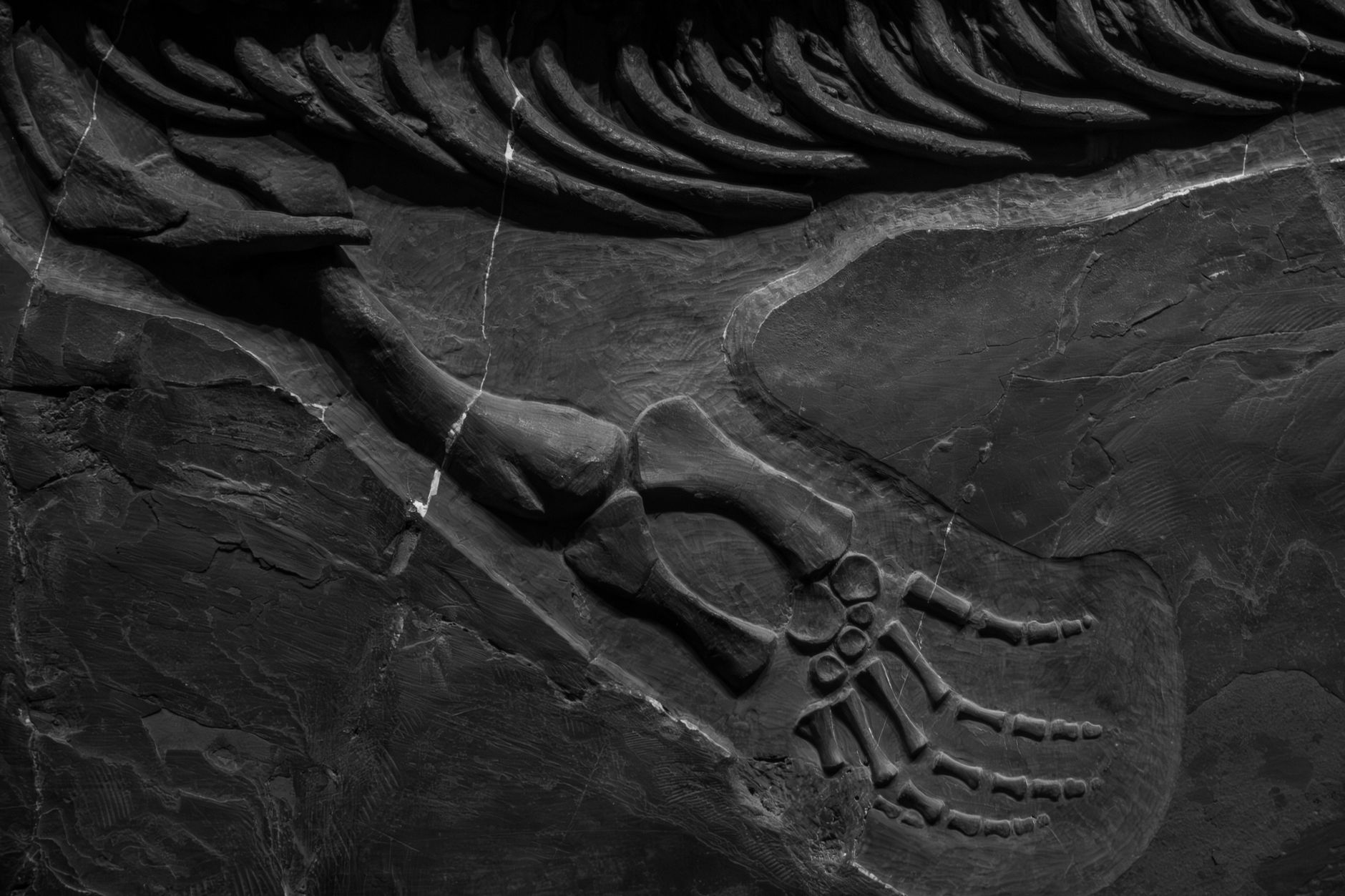
The discovery of a triassic predator fossil in New Mexico has sent shockwaves through the scientific community. The fossil, which is estimated to be around 210 million years old, has revealed a previously unknown species of crocodile relative. This triassic predator, named Eosphorosuchus lacrimosa, is believed to have been a jackal-sized predator with a reinforced skull and powerful jaw muscles.
The discovery of Eosphorosuchus lacrimosa is a significant one, as it provides valuable insights into the evolution of predators during the triassic period. The triassic period, which spanned from around 252 million to 201 million years ago, was a time of great upheaval and change on Earth. It was during this period that many of the major groups of animals that we see today, including mammals, birds, and reptiles, first evolved.
Background on the Triassic Period
The triassic period was a time of great transition and change on Earth. It was during this period that the supercontinent of Pangaea began to break apart, and the continents as we know them today started to take shape. The climate was also very different, with no polar ice caps and a much warmer overall temperature. This warm and humid climate led to the formation of vast deserts and arid regions, as well as the development of lush tropical forests.
It was in this environment that the first predators evolved. These early predators were likely small and insectivorous, but as time went on, they evolved to become larger and more formidable. The discovery of Eosphorosuchus lacrimosa provides a glimpse into the evolution of these early predators, and how they adapted to their environments.
Characteristics of the Triassic Predator
Eosphorosuchus lacrimosa was a relatively small predator, estimated to be around the size of a jackal. It had a number of distinctive characteristics, including a reinforced skull and powerful jaw muscles. These adaptations would have allowed it to tackle larger prey, and to defend itself against other predators. The short snout of Eosphorosuchus lacrimosa was also well-suited for hunting and killing prey.
The discovery of Eosphorosuchus lacrimosa has also provided valuable insights into the evolution of crocodile relatives. The fossil record of crocodiles and their relatives is well-documented, but there are still many gaps in our understanding of their evolution. The discovery of Eosphorosuchus lacrimosa helps to fill in one of these gaps, and provides a new perspective on the evolution of these fascinating creatures.
Implications of the Discovery
- The discovery of Eosphorosuchus lacrimosa provides new insights into the evolution of predators during the triassic period.
- The fossil record of crocodile relatives is expanded, providing a more complete understanding of their evolution.
- The discovery of Eosphorosuchus lacrimosa highlights the importance of continued exploration and research into the fossil record.
The discovery of Eosphorosuchus lacrimosa is a significant one, and it has the potential to shed new light on the evolution of predators during the triassic period. As scientists continue to study the fossil record, it is likely that we will learn even more about this fascinating creature and its place in the history of life on Earth.
Questions to Watch
There are still many questions surrounding the discovery of Eosphorosuchus lacrimosa, and it is likely that scientists will continue to study the fossil in the coming years. Some of the questions that remain to be answered include: what was the exact role of Eosphorosuchus lacrimosa in its ecosystem, and how did it interact with other predators and prey? What can the discovery of Eosphorosuchus lacrimosa tell us about the evolution of crocodile relatives, and how does it fit into the broader context of the fossil record?
Source: sciencedaily.com.






Be First to Comment