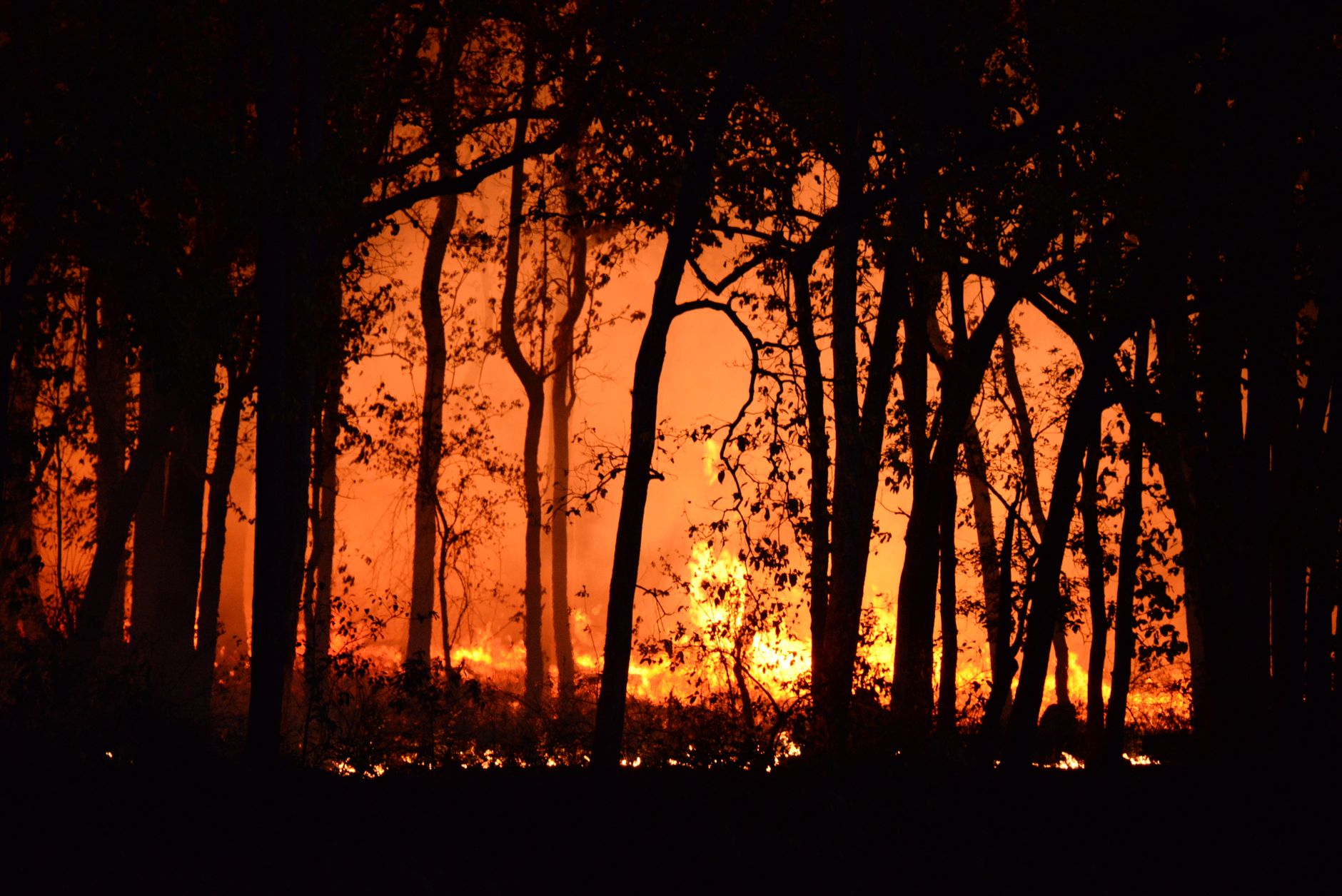
Ancient ferns played a crucial role in transforming parts of Europe into a wildfire-prone inferno during the end-Triassic mass extinction. The triassic wildfires that swept through the region were fueled by the repeated regrowth of ferns after fires, creating fresh fuel that helped prolong the devastation. This phenomenon had a profound impact on the environment and the species that inhabited it.
The end-Triassic mass extinction, which occurred around 250 million years ago, was a catastrophic event that wiped out a significant portion of the planet’s biodiversity. It is believed that massive volcanic eruptions and climate change contributed to this extinction event. However, the role of triassic wildfires in this process has only recently come to light.
Understanding Triassic Wildfires
Triassic wildfires were likely triggered by a combination of factors, including lightning strikes, volcanic eruptions, and spontaneous combustion of plant material. The ferns that dominated the landscape at the time were highly flammable and prone to burning. As the fires raged on, the ferns would regrow, only to be burned again, creating a cycle of fire and regrowth that was difficult to break.
This cycle of triassic wildfires had a profound impact on the environment. The repeated burning of the landscape would have released large amounts of carbon dioxide into the atmosphere, contributing to climate change. The fires would also have destroyed habitats, leading to the loss of biodiversity and the extinction of many species.
The Role of Ferns in Triassic Wildfires
Ferns were a dominant feature of the Triassic landscape, and their role in the wildfires that swept through the region cannot be overstated. The ferns’ ability to regrow quickly after fires made them a key factor in the spread of the wildfires. As the ferns regrew, they would have provided a fresh source of fuel for the fires, allowing them to continue burning for extended periods.
- Ferns were highly flammable and prone to burning
- Their ability to regrow quickly after fires made them a key factor in the spread of wildfires
- The repeated burning of ferns would have released large amounts of carbon dioxide into the atmosphere
The discovery of fossil evidence has shed new light on the role of ferns in triassic wildfires. The fossils of ferns found in the region show signs of repeated burning and regrowth, providing strong evidence for the cycle of fire and regrowth that occurred during this period.
Implications of Triassic Wildfires
The study of triassic wildfires has significant implications for our understanding of the Earth’s history and the impact of wildfires on the environment. The discovery of the role of ferns in these wildfires highlights the importance of considering the complex interactions between species and their environment when attempting to understand the causes of mass extinctions.
Conclusion
In conclusion, the triassic wildfires that swept through ancient Europe were a complex and multifaceted phenomenon that was fueled by the repeated regrowth of ferns after fires. The study of this event has significant implications for our understanding of the Earth’s history and the impact of wildfires on the environment. As we continue to learn more about the triassic wildfires, we are reminded of the importance of considering the complex interactions between species and their environment in our attempts to understand the natural world.
Source: sciencedaily.com.





Be First to Comment