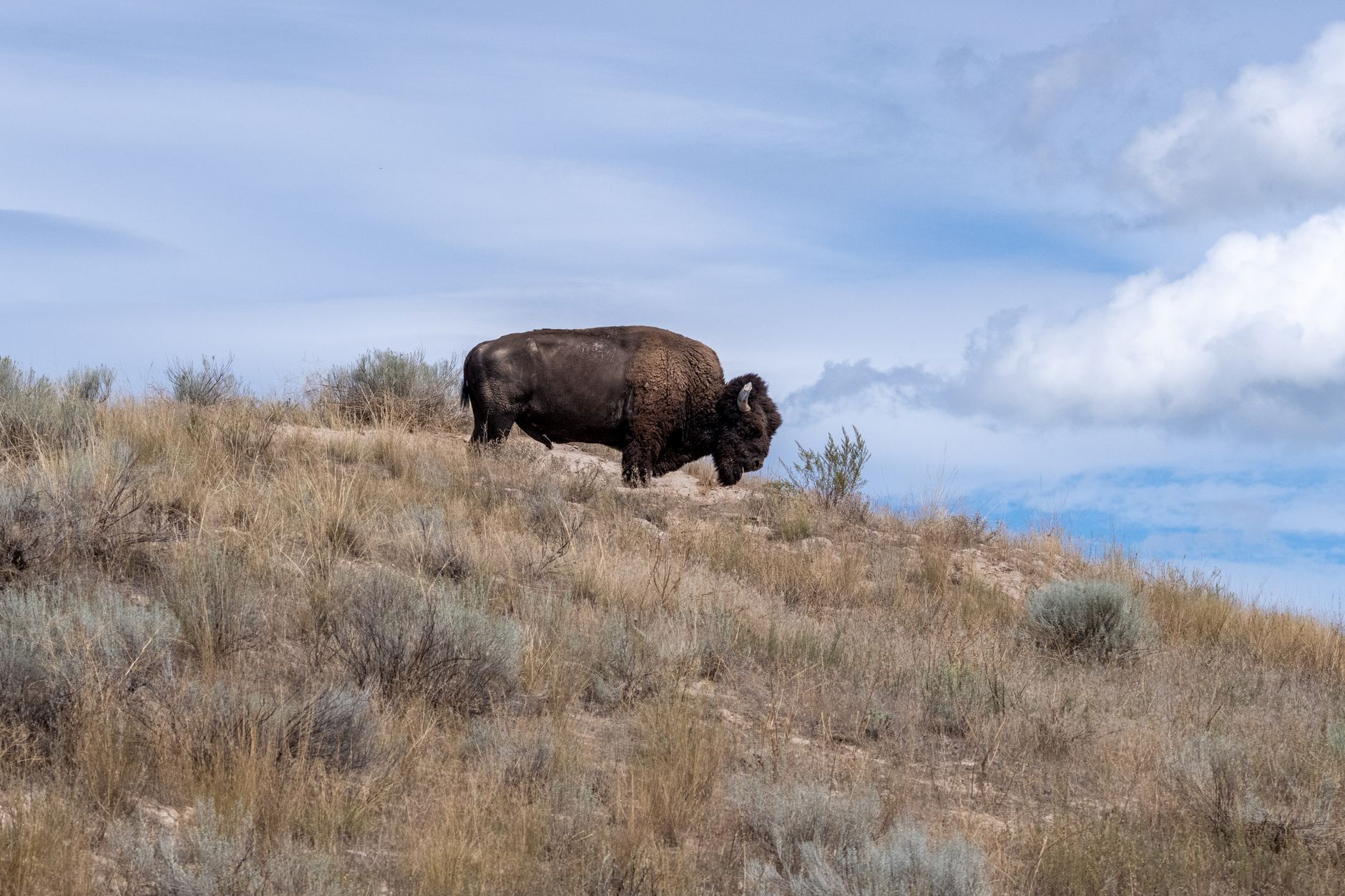
For centuries, Indigenous hunters in central Montana relied on a bison kill site to sustain their communities. However, around 700 years ago, this site was suddenly abandoned, leaving behind a puzzling mystery. Recent research has finally uncovered the reasons behind this abandonment, highlighting the complex interplay between environmental factors and human activities.
The Bison Hunting Site
The bison kill site in question was a crucial location for Indigenous hunters, who would drive herds of bison off cliffs or into kill zones, providing a reliable source of food and resources. The site was used repeatedly over a period of nearly 700 years, with evidence of hunting activity dating back to the 10th century. However, despite the continued abundance of bison in the region, the site was suddenly abandoned, with no clear explanation as to why.
The Role of Droughts
Researchers have now discovered that recurring, decades-long droughts likely played a significant role in the abandonment of the bison hunting site. These droughts would have reduced access to the water needed to process large numbers of animals, making the site less practical for hunting. With limited water resources, the site would have become less attractive to hunters, who would have been forced to seek alternative locations.
Furthermore, the researchers found that the droughts were not isolated events, but rather part of a larger pattern of climate variability in the region. This variability would have had a significant impact on the availability of resources, including water and vegetation, which would have been essential for the hunters and their animals.
Shifting Hunting Practices
At the same time as the droughts were affecting the bison hunting site, hunting groups in the region were undergoing a significant shift in their practices. Hunters were beginning to organize into larger, more coordinated groups, which required dependable resources and specialized locations. These larger groups would have needed access to reliable water sources, as well as other essential resources, in order to process and preserve the large numbers of animals they were hunting.
As a result, the bison hunting site in central Montana, which had previously been a crucial location for smaller, more informal hunting groups, became less attractive. The site’s limitations, including its limited access to water, made it less suitable for the larger, more organized hunting groups that were emerging in the region.
Implications and Questions
The discovery of the reasons behind the abandonment of the bison hunting site has significant implications for our understanding of the complex relationships between human societies and their environments. It highlights the importance of considering the interplay between environmental factors, such as climate variability, and human activities, such as hunting practices.
Furthermore, this research raises important questions about the resilience and adaptability of human societies in the face of environmental change. How do societies respond to droughts and other environmental stressors, and what are the consequences of these responses for their long-term sustainability? These are questions that are just as relevant today, as we face the challenges of climate change and environmental degradation, as they were in the past.
- The research highlights the importance of considering the interplay between environmental factors and human activities.
- The discovery of the reasons behind the abandonment of the bison hunting site has significant implications for our understanding of the complex relationships between human societies and their environments.
- The research raises important questions about the resilience and adaptability of human societies in the face of environmental change.
In conclusion, the mystery of Montana’s lost bison hunting site has finally been solved, revealing a complex and nuanced story of environmental factors and human activities. As we continue to face the challenges of environmental change, this research serves as a reminder of the importance of considering the interplay between human societies and their environments.
Source: sciencedaily.com.






Be First to Comment