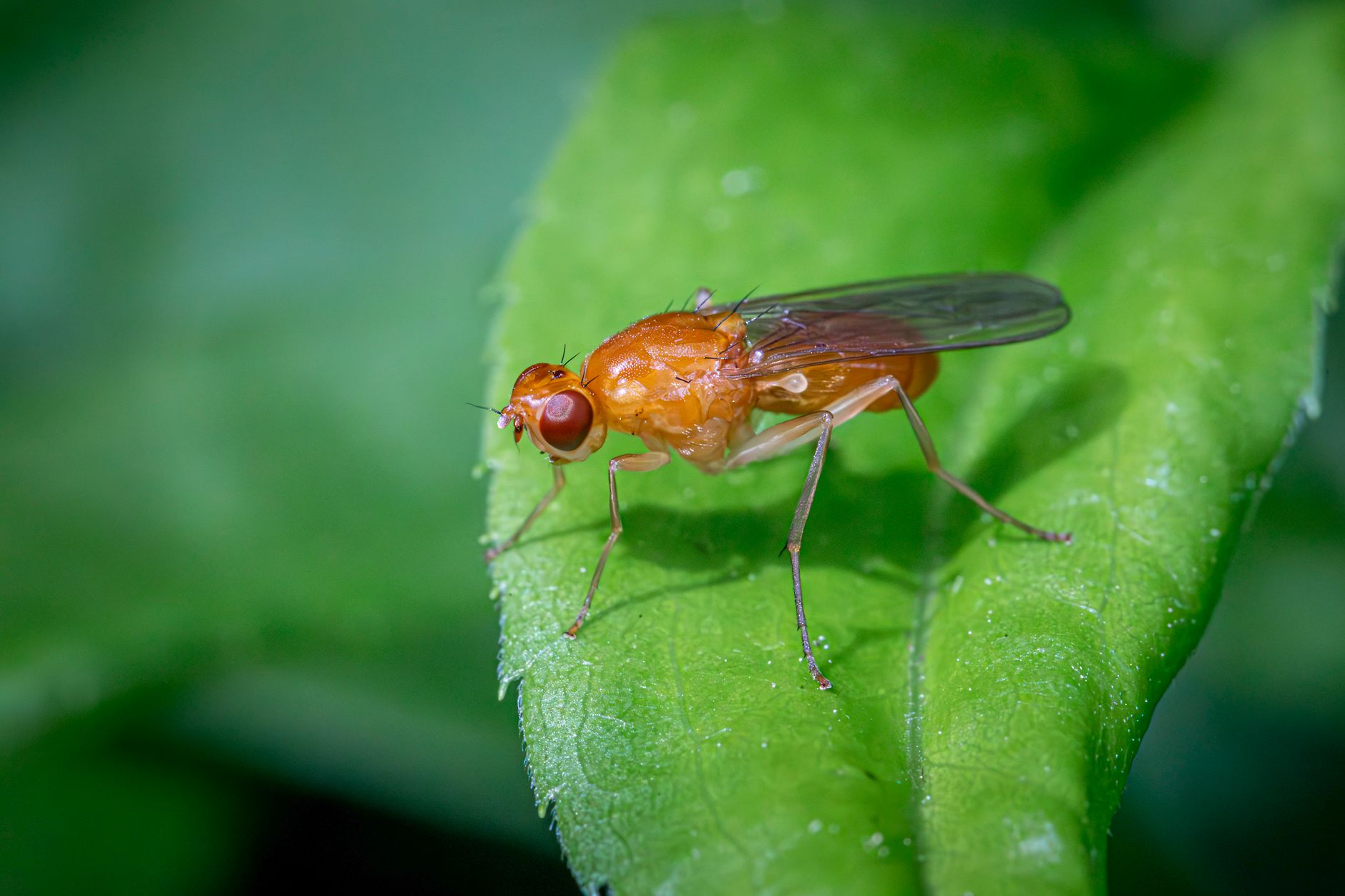
A team of scientists has made a significant breakthrough in understanding the intricacies of the brain by mapping every neural connection in an adult fruit fly’s central nervous system. This groundbreaking work has created an unprecedented view of how the brain and body work together, shedding light on the emergence of complex behaviors.
Introduction to Connectomes
A connectome is a comprehensive map of neural connections within an organism’s brain. By studying connectomes, researchers can gain a deeper understanding of how the brain functions and how it gives rise to various behaviors. The fruit fly, with its relatively simple nervous system, is an ideal model organism for such studies.
The creation of this connectome involved meticulous work, as scientists had to map every neural connection in the fruit fly’s central nervous system. This endeavor has resulted in a detailed view of the brain’s structure and function, allowing researchers to explore how different parts of the brain interact with each other.
Implications for Brain Function and Behavior
The findings of this study suggest that complex behaviors emerge from distributed local circuits rather than a single central controller. This means that different parts of the brain work together to produce specific behaviors, rather than a single region being responsible for a particular function.
This discovery has significant implications for our understanding of intelligence, movement, and brain function. By recognizing that complex behaviors arise from the interactions of multiple brain regions, researchers can develop new approaches to studying and addressing neurological disorders.
Understanding Distributed Local Circuits
Distributed local circuits refer to the networks of neurons that are spread throughout the brain and work together to produce specific behaviors. These circuits are thought to be responsible for a wide range of functions, from simple movements to complex cognitive tasks.
By studying the connectome of the fruit fly, scientists can gain insights into how these distributed local circuits operate and how they contribute to the emergence of complex behaviors. This knowledge can be applied to other organisms, including humans, to better understand the neural basis of behavior and cognition.
Future Directions and Questions
This breakthrough study raises several questions and opens up new avenues for research. For example, how do the neural connections in the fruit fly’s brain change as it develops and matures? How do these connections respond to different environmental stimuli or experiences?
- How will this new understanding of brain function and behavior inform the development of treatments for neurological disorders?
- Can the principles of distributed local circuits be applied to the development of more advanced artificial systems?
- What are the implications of this study for our understanding of human brain function and behavior?
As researchers continue to explore the intricacies of the fruit fly’s brain, they may uncover even more surprising insights into the nature of intelligence, movement, and brain function. The creation of this connectome is a significant step forward in our understanding of the brain and its many mysteries.
Source: sciencedaily.com.






Be First to Comment