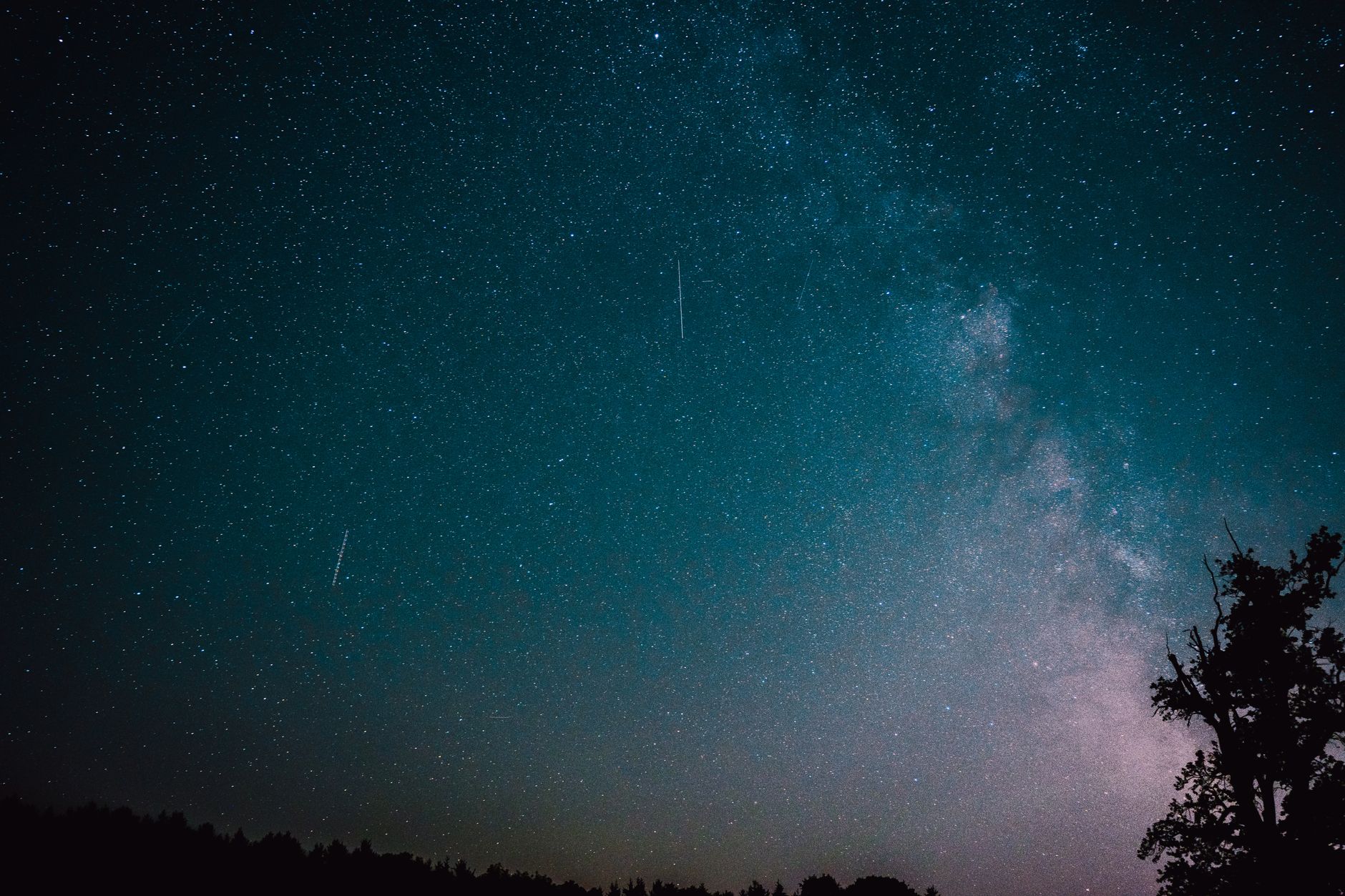
A vaporizing meteor recently appeared in the night sky, photobombing the beautiful Lacerta Nebula. The meteor, a small pebble likely from space, created a bright streak as it heated and excited the surrounding air in Earth’s atmosphere. This brief but spectacular event was captured on camera from Death Valley Observatories in Nevada, USA.
The image of the vaporizing meteor is a reminder of the awe-inspiring beauty of the universe. Meteors, also known as shooting stars, are small particles from space that enter Earth’s atmosphere and burn up, producing a bright streak of light in the sky. The Lacerta Nebula, a vast interstellar cloud of gas and dust, provides a stunning backdrop for this celestial event.
Vaporizing Meteor Composition
The vaporizing meteor’s glow is partly due to the heating and exciting of surrounding air in Earth’s atmosphere. As the meteoroid, the small pebble from space, enters the atmosphere, it creates a shockwave that heats up the air around it. This heat excites the atoms and molecules in the air, causing them to emit light. The colors of the meteor’s glow can give clues to its composition, with different elements producing different colors.
The study of meteors and their composition can provide valuable insights into the formation and evolution of our solar system. By analyzing the colors and spectra of meteors, scientists can determine the presence of different elements and compounds, which can help us understand the origins of these small particles from space.
Meteor Showers in August 2026
This month, August 2026, is a great time for seeing meteors, with three meteor showers currently ongoing. The most active of these showers, the Perseids, will be busiest in about 10 days, after the Moon has dimmed considerably. The Perseids peak nearly coincides with not only a new Moon but also a total solar eclipse, making it a unique and exciting time for skywatchers.
- The Perseids meteor shower is one of the most popular and spectacular showers of the year.
- The shower is active from July 17 to August 24, with the peak occurring on August 12-13.
- The Perseids are known for producing bright, fast-moving meteors, with some producing spectacular trails of light.
The combination of the Perseids meteor shower and the total solar eclipse makes August 2026 a month to remember for sky enthusiasts. Whether you’re a seasoned astronomer or just starting to explore the wonders of the universe, this month offers a unique opportunity to witness some of the most spectacular celestial events of the year.
Conclusion and Future Events
In conclusion, the vaporizing meteor that photobombs the Lacerta Nebula is a reminder of the beauty and complexity of the universe. As we continue to explore and study the night sky, we can expect to see more spectacular events like this one. With the Perseids meteor shower and the total solar eclipse happening this month, August 2026 is shaping up to be an exciting time for skywatchers. As we look to the future, we can’t help but wonder what other celestial events await us, and what secrets the universe still holds.
Source: science.nasa.gov.






Be First to Comment