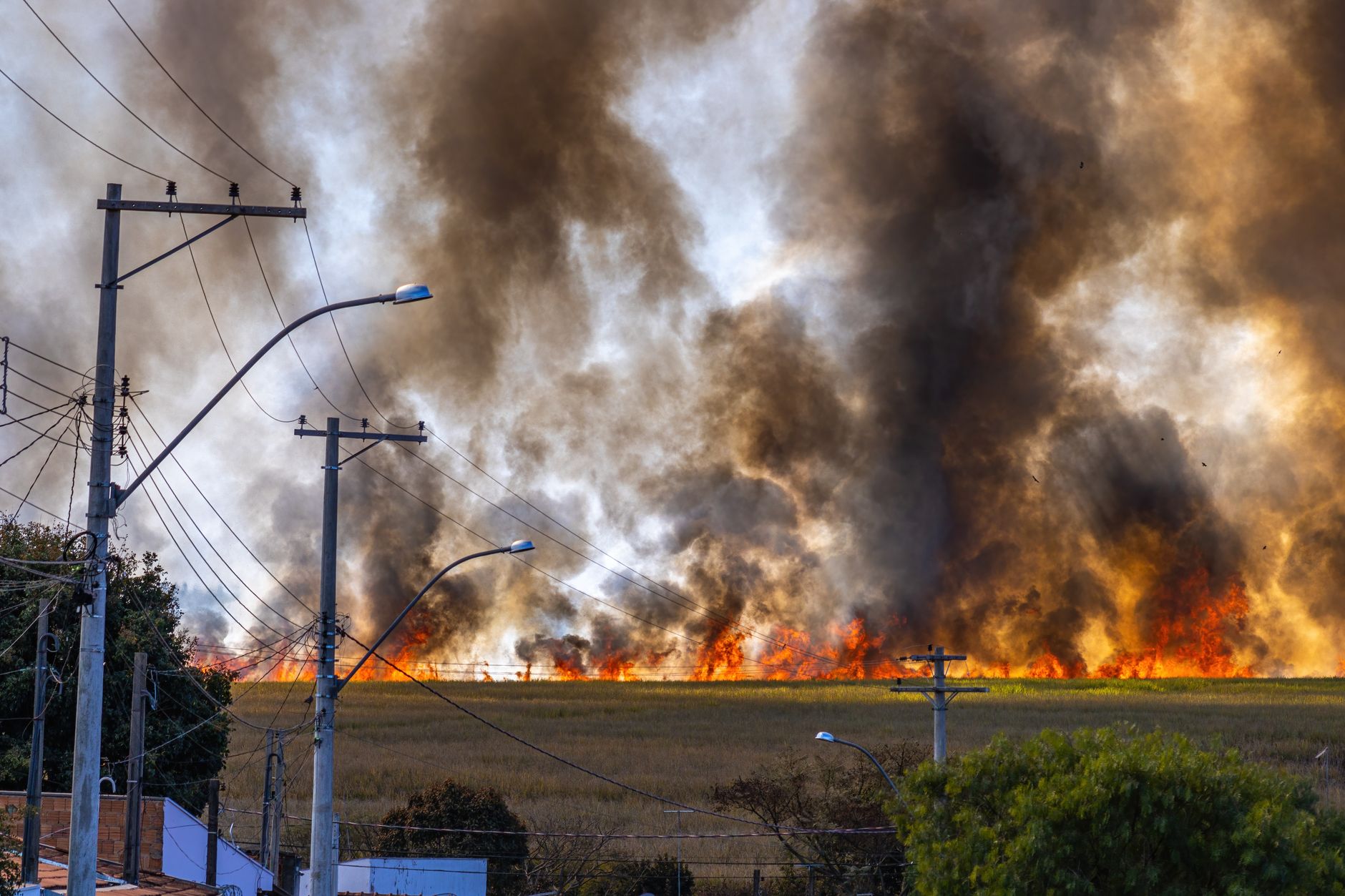
Wildfire smoke has become a major concern in North America, particularly in 2026. The increasing number of wildfires in Canada has led to a significant amount of smoke pouring into the United States, affecting air quality in both countries. Wildfire smoke is a mixture of gases and fine particles that can aggravate respiratory and cardiovascular conditions.
The recent surge in wildfire activity in Canada has been attributed to the time of year when lightning ignitions typically increase. According to a seasonal outlook published by several North American fire agencies, the blazes have sent smoke plumes across the U.S. and Canada, affecting air quality in both countries.
Understanding Wildfire Smoke
Wildfire smoke is composed of various pollutants, including particulate matter (PM2.5), carbon monoxide, and volatile organic compounds. The PM2.5 emissions from wildfires can be particularly hazardous, as they can penetrate deep into the lungs and cause inflammation. Brown carbon, a type of organic aerosol emitted by fires, gives smoke plumes their characteristic yellow, orange, and brown tint.
The GEOS (Goddard Earth Observing System) model has been used to track the movement of brown carbon in the atmosphere. The model assimilates data from satellites, aircraft, and ground-based observing systems to project the behavior of smoke plumes. By analyzing the data, scientists can better understand the impact of wildfire smoke on air quality and human health.
Impact on Air Quality
The recent wildfires in Canada have had a significant impact on air quality in North America. On July 14, 2026, numerous fires had already cropped up, including more than 180 in Ontario and several in northern Minnesota. Winds carried the smoke southeast, and by July 15, skies turned hazy and air quality declined from southern Ontario in Canada to the Upper Midwest and Northeast in the U.S.
Air quality in many areas continued to plummet, including in Detroit, where it stayed in the hazardous range for several consecutive days. Toronto, Chicago, New York City, and Washington, D.C., saw air quality ranging from unhealthy to hazardous. The smoke also affected air quality downwind, including in the Great Lakes region, according to the National Weather Service.
Health Implications
Exposure to wildfire smoke can have serious health implications, particularly for people with pre-existing respiratory and cardiovascular conditions. The fine particles in wildfire smoke can penetrate deep into the lungs, causing inflammation and exacerbating conditions such as asthma and chronic obstructive pulmonary disease (COPD).
To protect themselves from the harmful effects of wildfire smoke, people can take several precautions. These include staying indoors with air conditioning, avoiding strenuous outdoor activities, and wearing masks rated N95 or N100. It is also essential to monitor air quality indexes and follow the advice of local health authorities.
- Avoid outdoor activities when air quality is poor
- Stay indoors with air conditioning
- Wear masks rated N95 or N100
- Monitor air quality indexes
- Follow the advice of local health authorities
Conclusion
In conclusion, wildfire smoke has become a significant concern in North America, particularly in 2026. The increasing number of wildfires in Canada has led to a surge in smoke pouring into the United States, affecting air quality in both countries. By understanding the composition and movement of wildfire smoke, scientists can better predict its impact on air quality and human health. It is essential for people to take precautions to protect themselves from the harmful effects of wildfire smoke and to stay informed about air quality indexes and health advisories.
Source: science.nasa.gov.





Be First to Comment