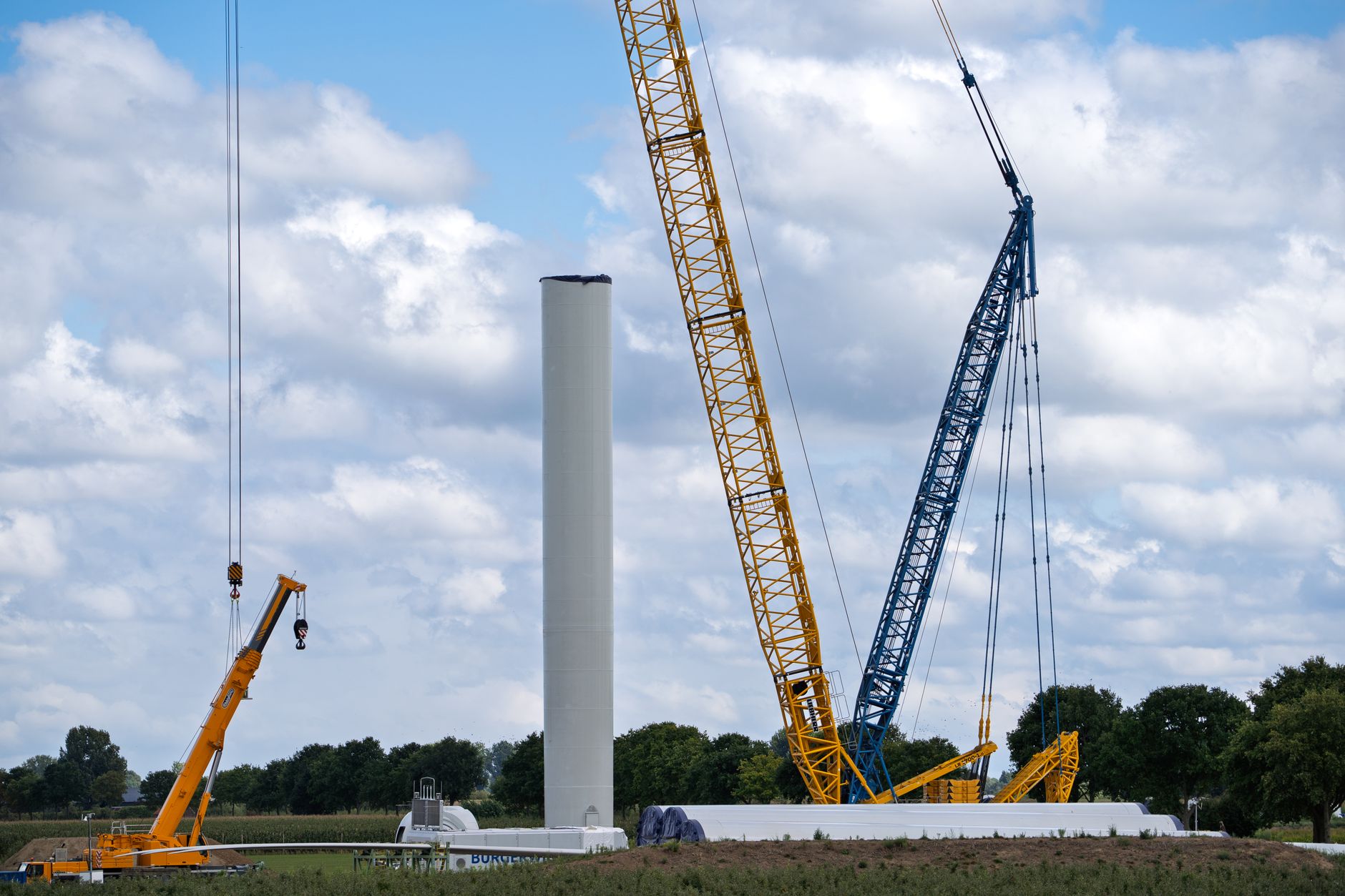
The Trump administration’s recent decision to pay $1.2bn to a German firm to halt US wind projects has sparked controversy and debate. Wind projects have long been a topic of discussion, with the Trump administration expressing skepticism about their viability. The latest payout to RWE is the latest in a string of deals cancelling wind energy projects, a power source long derided by Trump.
The move has been met with criticism from environmental groups and supporters of renewable energy, who argue that wind projects are essential for reducing the country’s reliance on fossil fuels and mitigating climate change. The decision is also seen as a blow to the wind industry, which has been growing rapidly in recent years.
Wind Projects and the Trump Administration
The Trump administration has been vocal about its opposition to wind projects, with the President himself expressing concerns about their impact on the environment and the economy. Despite this, the industry has continued to grow, with many states and companies investing heavily in wind energy. However, the latest payout to RWE suggests that the administration is determined to halt the growth of the industry.
The decision to pay $1.2bn to RWE is seen as a significant blow to the wind industry, which has been struggling to compete with fossil fuels in recent years. The payout is also seen as a subsidy to the company, which has been criticized by many as a form of corporate welfare. The move has sparked outrage among environmental groups, who argue that the money could be better spent on supporting renewable energy projects.
Implications of the Decision
The implications of the decision to halt wind projects are far-reaching and could have significant consequences for the environment and the economy. The move is likely to lead to a decline in investment in the wind industry, which could lead to job losses and economic instability. The decision is also likely to undermine the country’s commitment to reducing greenhouse gas emissions and mitigating climate change.
- The decision could lead to a decline in investment in the wind industry
- The move could lead to job losses and economic instability
- The decision undermines the country’s commitment to reducing greenhouse gas emissions
The decision to halt wind projects has also raised questions about the administration’s commitment to supporting renewable energy. The move is seen as a significant setback for the industry, which has been growing rapidly in recent years. The decision is also likely to have significant implications for the environment, with the continued reliance on fossil fuels likely to lead to increased greenhouse gas emissions.
Questions to Watch
As the controversy surrounding the decision to halt wind projects continues to unfold, there are several questions that remain to be answered. What will be the long-term implications of the decision for the wind industry and the environment? How will the payout to RWE be received by the public and the wind industry? What will be the impact of the decision on the country’s commitment to reducing greenhouse gas emissions? These are just a few of the questions that will be watched closely in the coming months and years.
Conclusion
In conclusion, the decision to pay $1.2bn to a German firm to halt US wind projects is a significant blow to the wind industry and the environment. The move has sparked controversy and debate, with many criticizing the administration’s decision as a subsidy to the company and a blow to the industry. As the implications of the decision continue to unfold, it is clear that the future of the wind industry and the environment hangs in the balance.
Source: bbc.co.uk.






Be First to Comment