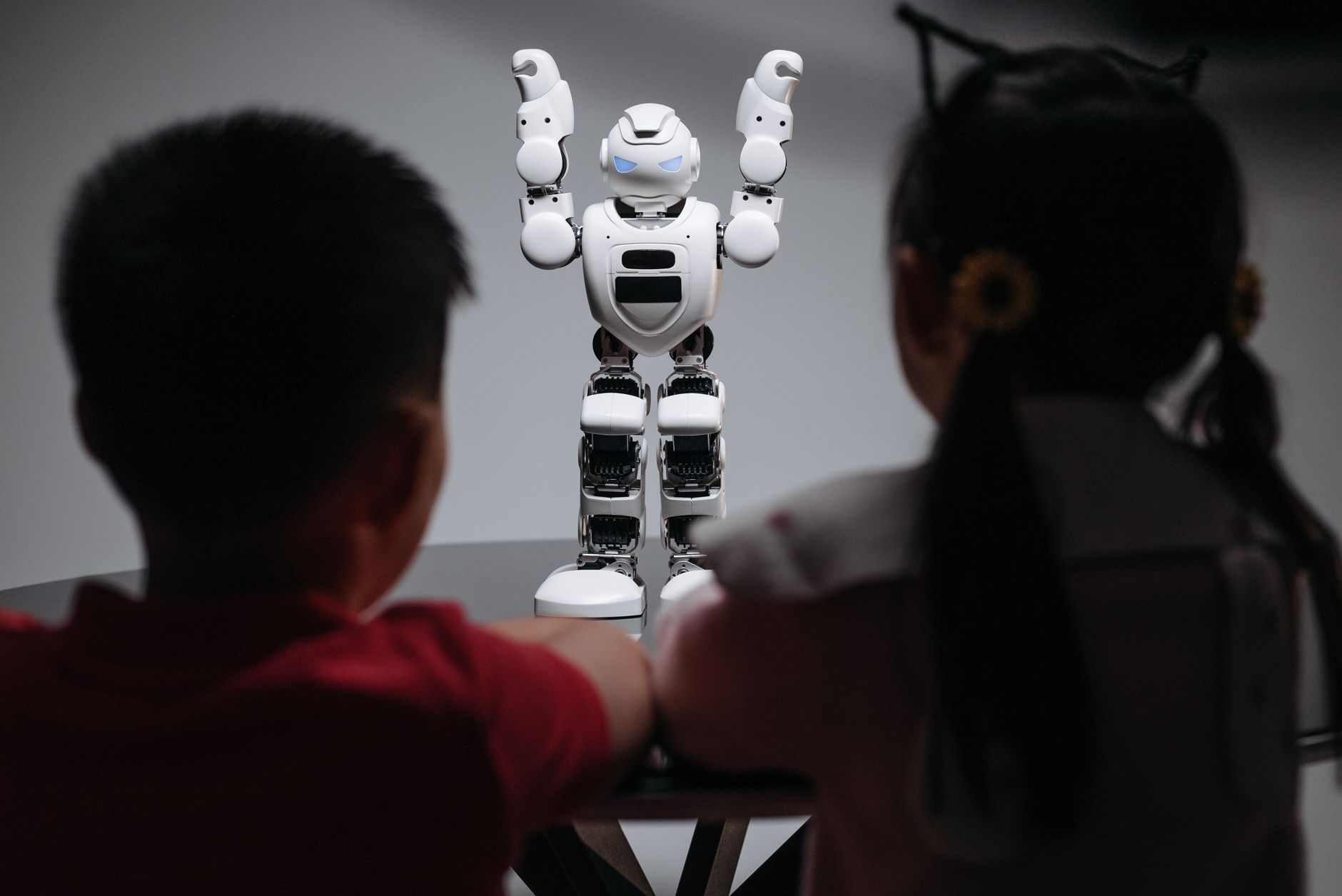
The ai education sector is experiencing significant growth, with some of the nation’s wealthiest families turning to ai-powered learning platforms instead of traditional schools. This shift towards ai education is driven by the promise of personalized learning experiences and improved academic outcomes. Companies like Forge Prep and Alpha School are at the forefront of this trend, offering interactive project-based workshops and ai tutors to students.
The adoption of ai education is not limited to any particular region, but Silicon Valley has been a major hub for this new model. Many venture capitalists and tech entrepreneurs are sending their children to ai-powered schools, citing the potential benefits of early exposure to emerging technologies. However, this trend also raises important questions about the role of ai in education and its potential impact on traditional schools.
What is Ai Education?
Ai education refers to the use of artificial intelligence and machine learning algorithms to create personalized learning experiences for students. This can include adaptive assessments, interactive simulations, and virtual teaching assistants. Ai education platforms can analyze vast amounts of data on student performance, providing insights that can inform instruction and improve academic outcomes.
One of the key benefits of ai education is its ability to tailor learning experiences to individual students’ needs and abilities. Ai-powered systems can adjust the difficulty level of course materials, provide real-time feedback, and offer customized recommendations for further learning. This can be particularly beneficial for students who may be struggling with traditional teaching methods or require additional support.
The Rise of Ai Education
The rise of ai education is driven by advances in ai and machine learning, as well as growing demand for personalized learning experiences. Many educators and policymakers believe that ai can help address some of the most pressing challenges facing traditional schools, including teacher shortages, inadequate funding, and inequitable access to quality education.
However, the adoption of ai education also raises important questions about the role of human teachers and the potential risks of relying on technology to drive learning. Some critics argue that ai education can lack the emotional intelligence, empathy, and social skills that human teachers provide, while others worry about the potential for bias in ai-powered systems.
Key Players in Ai Education
Several companies are leading the charge in ai education, including Forge Prep and Alpha School. These organizations are developing innovative ai-powered learning platforms that offer interactive project-based workshops, ai tutors, and adaptive assessments. Other key players in the ai education space include:
- Companies specializing in ai-powered adaptive assessments
- Startups developing virtual teaching assistants and ai-powered learning platforms
- Traditional schools and universities exploring the use of ai in education
The ai education landscape is rapidly evolving, with new companies and initiatives emerging all the time. As the sector continues to grow, it will be important to monitor developments and assess the impact of ai on traditional schools and student outcomes.
Implications and Questions to Watch
The rise of ai education has significant implications for the future of learning and the role of technology in education. As ai-powered systems become more prevalent, it will be essential to address important questions about the potential benefits and risks of ai education. Some key questions to watch include: how will ai education affect teacher employment and the role of human instructors? What are the potential risks of relying on ai-powered systems, and how can these risks be mitigated? How will ai education impact student outcomes, and what are the implications for equity and access to quality education?
Source: theverge.com.






Be First to Comment