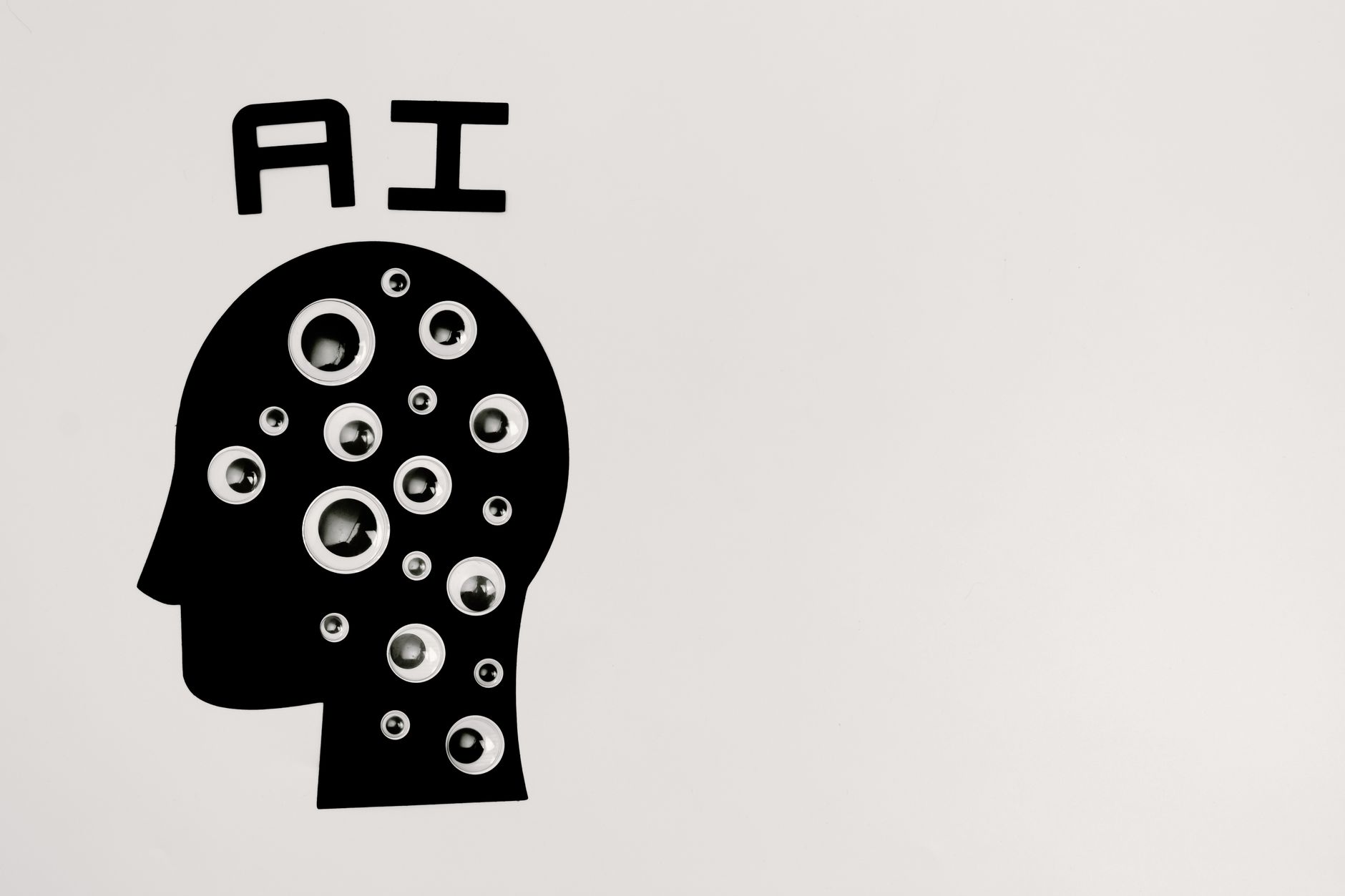
The concept of ai vision has been gaining momentum in recent years, with many experts and thought leaders weighing in on its potential impact. At its core, ai vision refers to the ability of artificial intelligence systems to interpret and understand visual data from the world around us. This can include everything from recognizing objects and patterns to making predictions and recommendations based on visual input.
One of the key drivers of ai vision is the increasing availability of high-quality visual data. With the proliferation of smartphones and other devices equipped with high-resolution cameras, there is now a vast amount of visual data available for ai systems to learn from. This has enabled the development of sophisticated ai vision algorithms that can accurately recognize and classify objects, people, and patterns.
ai vision in practice
So how is ai vision being used in practice? One of the most obvious applications is in the field of computer vision, where ai systems are being used to analyze and understand visual data from images and videos. This can be used for a wide range of tasks, from facial recognition and object detection to image classification and segmentation.
Another area where ai vision is being used is in the field of robotics. By equipping robots with ai vision capabilities, they can navigate and interact with their environment in a more intelligent and autonomous way. This can be particularly useful in applications such as warehouse management and logistics, where robots can be used to pick and pack items with greater speed and accuracy.
the benefits of ai vision
So what are the benefits of ai vision? One of the most significant advantages is its ability to automate tasks that would otherwise require human vision and judgment. This can free up time and resources for more strategic and creative work, while also reducing the risk of errors and inaccuracies.
Another benefit of ai vision is its ability to provide insights and analytics that would be difficult or impossible for humans to obtain on their own. By analyzing large amounts of visual data, ai systems can identify patterns and trends that may not be immediately apparent to humans. This can be particularly useful in applications such as quality control and defect detection, where ai vision can be used to identify issues and anomalies that may have gone unnoticed by human inspectors.
the challenges of ai vision
While ai vision has the potential to bring many benefits, there are also challenges and limitations to consider. One of the biggest challenges is the need for high-quality training data, which can be time-consuming and expensive to obtain. Additionally, ai vision systems can be sensitive to factors such as lighting, pose, and occlusion, which can affect their accuracy and reliability.
- ai vision can automate tasks that require human vision and judgment
- ai vision can provide insights and analytics that would be difficult for humans to obtain
- ai vision can be used in a wide range of applications, from computer vision to robotics
the future of ai vision
As ai vision continues to evolve and improve, we can expect to see even more innovative applications and use cases emerge. From smart homes and cities to healthcare and transportation, the potential for ai vision to transform industries and lives is vast and exciting. Whether you are a business leader, a technologist, or simply someone interested in the latest advancements in ai, it is clear that ai vision is an area worth watching in the years to come.
Source: theverge.com.






Be First to Comment