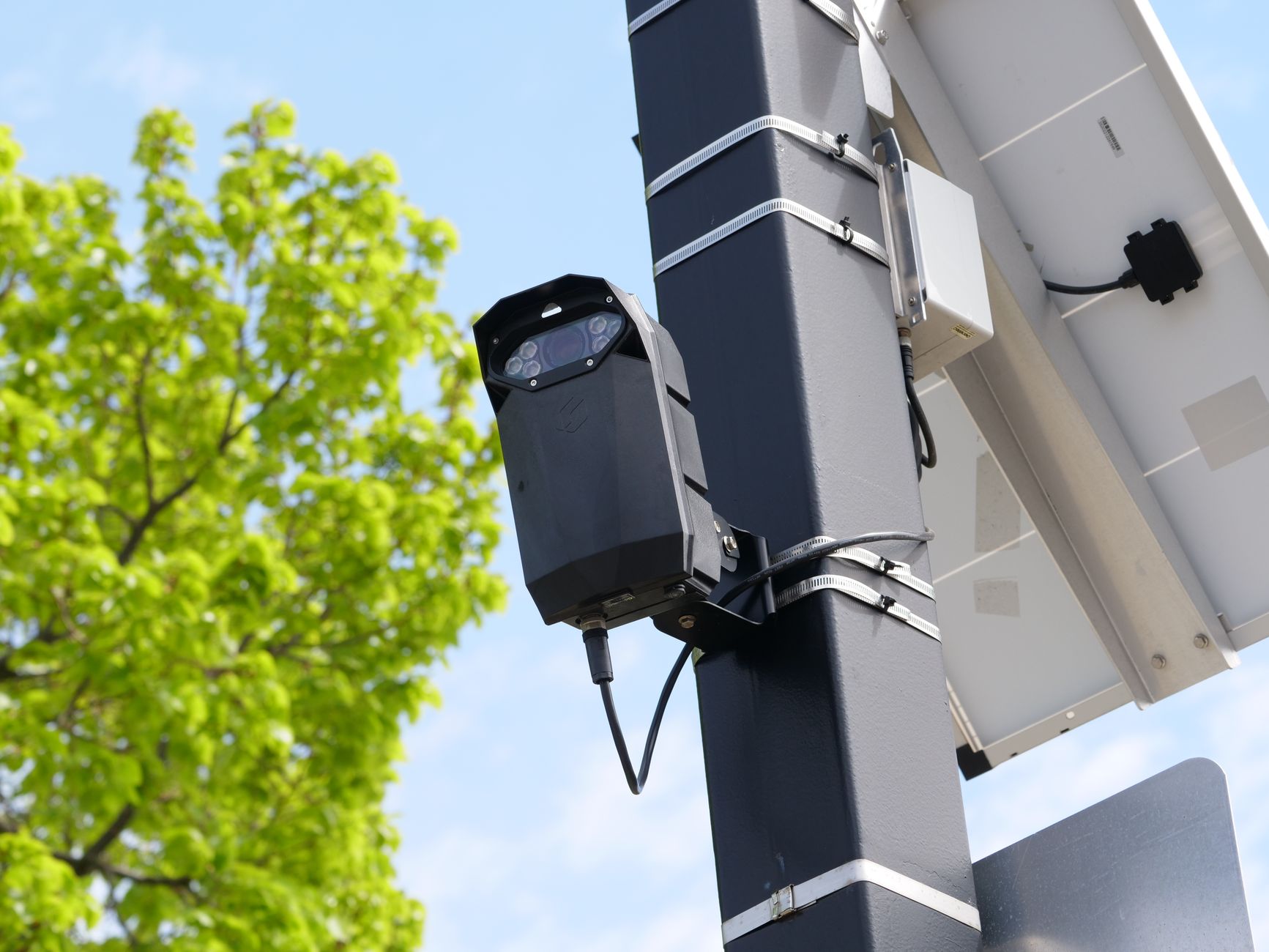
The use of ALPR cameras has become a highly debated topic in recent years, with over 120,000 installations across the US. These cameras, which use AI to identify and track vehicles based on their license plate number, make, model, color, and other information, have raised concerns about privacy and surveillance. The city of Los Angeles has suspended its use of Flock’s license plate readers, citing concerns over the data they collect and how it can be used.
The issue of ALPR cameras has sparked a national conversation about the balance between public safety and individual privacy. While proponents of the technology argue that it can help law enforcement agencies solve crimes and keep communities safe, opponents argue that it infringes on individuals’ right to privacy and can be used to target certain groups.
What are ALPR Cameras?
ALPR cameras are designed to capture images of license plates and use AI to extract the relevant information. This information can then be used to track the movement of vehicles and identify potential suspects. The cameras are often installed in public areas, such as intersections and highways, and can be used to monitor traffic patterns and enforce traffic laws.
However, the use of ALPR cameras has also raised concerns about data collection and storage. The cameras can collect a vast amount of data, including the license plate numbers, makes, models, and colors of vehicles, as well as the dates, times, and locations of the vehicles. This data can be stored for extended periods, raising concerns about how it will be used and protected.
Implications for Privacy and Surveillance
The use of ALPR cameras has significant implications for privacy and surveillance. The cameras can be used to track the movements of individuals and monitor their activities, raising concerns about the potential for abuse. Additionally, the data collected by the cameras can be shared with other law enforcement agencies, raising concerns about the potential for widespread surveillance.
- Concerns about data collection and storage
- Potential for abuse and misuse
- Impact on individual privacy and autonomy
The controversy surrounding ALPR cameras has led to a number of communities canceling contracts for the cameras or turning them off. The city of Los Angeles has suspended its use of Flock’s license plate readers, and other cities are considering similar actions.
Conclusion and Future Directions
The debate over ALPR cameras is likely to continue in the coming years, with proponents and opponents arguing over the benefits and drawbacks of the technology. As the use of ALPR cameras becomes more widespread, it is essential to consider the implications for privacy and surveillance and to establish clear guidelines and regulations for their use. The future of ALPR cameras will depend on the ability of law enforcement agencies and technology companies to balance the need for public safety with the need to protect individual privacy and autonomy.
ALPR Cameras and the Future of Surveillance
The use of ALPR cameras is just one example of the growing trend towards surveillance and data collection. As technology continues to advance, it is likely that we will see even more sophisticated forms of surveillance and data collection. The question is, how will we balance the need for public safety with the need to protect individual privacy and autonomy? The answer will depend on our ability to establish clear guidelines and regulations for the use of surveillance technology, and to ensure that the benefits of the technology are shared by all members of society.
Source: theverge.com.






Be First to Comment