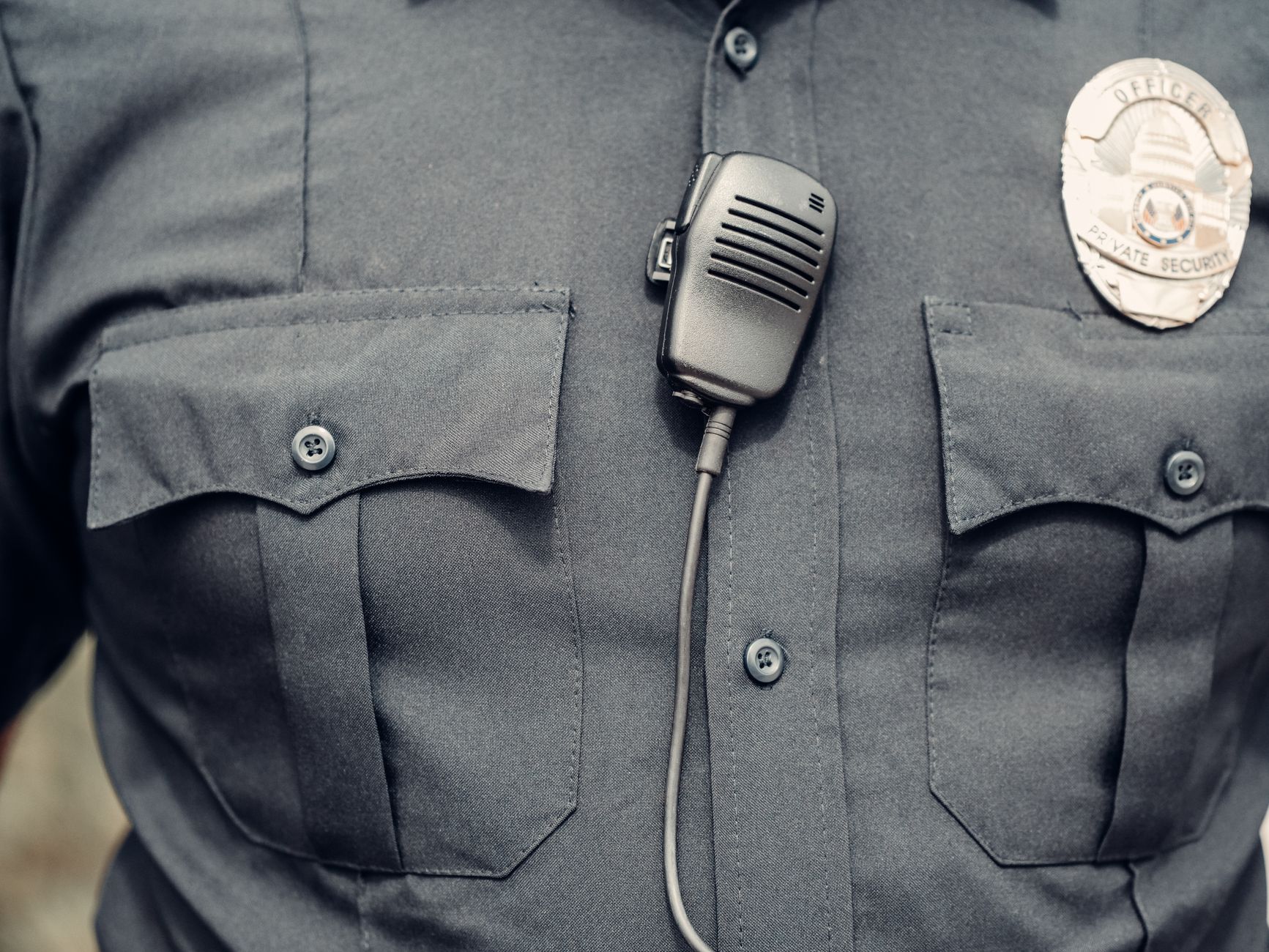
Bodycam abuse has become a pressing concern in recent years, with a disturbing trend of law enforcement officials misusing their cameras to exploit and humiliate individuals in their custody. On March 31, 2026, a complaint was filed against Deputy Sheriff Ryan Gaffney, alleging that he had used his iPhone to take photos of nude prisoners, including a local man suffering a mental health crisis. This incident has raised questions about the accountability and protocols in place to prevent such abuses of power.
The case against Deputy Gaffney is particularly troubling, as it involves the exploitation of vulnerable individuals who were already in a state of distress. The fact that he shared these photos with several female civilian employees inside the Sheriff’s Office only adds to the severity of the situation. As the investigation unfolds, it is essential to examine the broader implications of bodycam abuse and the measures that can be taken to prevent such incidents in the future.
Bodycam Abuse: A Growing Concern
Bodycam abuse is not an isolated incident, but rather a symptom of a larger problem. In recent years, there have been numerous cases of law enforcement officials misusing their cameras to exploit and humiliate individuals in their custody. This can include taking photos or videos of individuals in compromising positions, sharing these images with colleagues or online, or using the cameras to intimidate or coerce individuals into cooperating with law enforcement.
The consequences of bodycam abuse can be severe, ranging from emotional trauma and psychological distress to physical harm and even death. It is essential to recognize the gravity of this issue and take concrete steps to address it. This includes implementing stricter protocols and guidelines for the use of bodycams, providing training and education for law enforcement officials on the importance of respecting individuals’ rights and dignity, and holding those who engage in bodycam abuse accountable for their actions.
Protocols and Accountability
To prevent bodycam abuse, it is crucial to establish clear protocols and guidelines for the use of bodycams. This includes ensuring that cameras are only used for legitimate law enforcement purposes, such as documenting interactions with the public or gathering evidence. It is also essential to implement measures to prevent the unauthorized sharing or distribution of footage, such as encrypting videos and limiting access to authorized personnel.
Law enforcement agencies must also prioritize accountability and transparency in their handling of bodycam abuse cases. This includes conducting thorough investigations into allegations of misconduct, taking disciplinary action against those found to have engaged in bodycam abuse, and providing support and resources to victims of bodycam abuse.
Key Steps to Prevent Bodycam Abuse
- Establish clear protocols and guidelines for the use of bodycams
- Provide training and education for law enforcement officials on the importance of respecting individuals’ rights and dignity
- Implement measures to prevent the unauthorized sharing or distribution of footage
- Conduct thorough investigations into allegations of misconduct
- Take disciplinary action against those found to have engaged in bodycam abuse
By taking these steps, law enforcement agencies can help prevent bodycam abuse and ensure that their officers are held to the highest standards of professionalism and integrity. As the case against Deputy Gaffney continues to unfold, it is essential to recognize the importance of accountability and transparency in addressing this critical issue.
Conclusion and Next Steps
In conclusion, bodycam abuse is a serious issue that requires immediate attention and action. The case against Deputy Gaffney serves as a stark reminder of the need for stricter protocols and accountability in law enforcement agencies. As we move forward, it is essential to prioritize the development of effective strategies to prevent bodycam abuse and ensure that those who engage in such misconduct are held accountable for their actions. By working together, we can create a safer and more just society for all individuals, regardless of their background or circumstances.
Source: arstechnica.com.






Be First to Comment