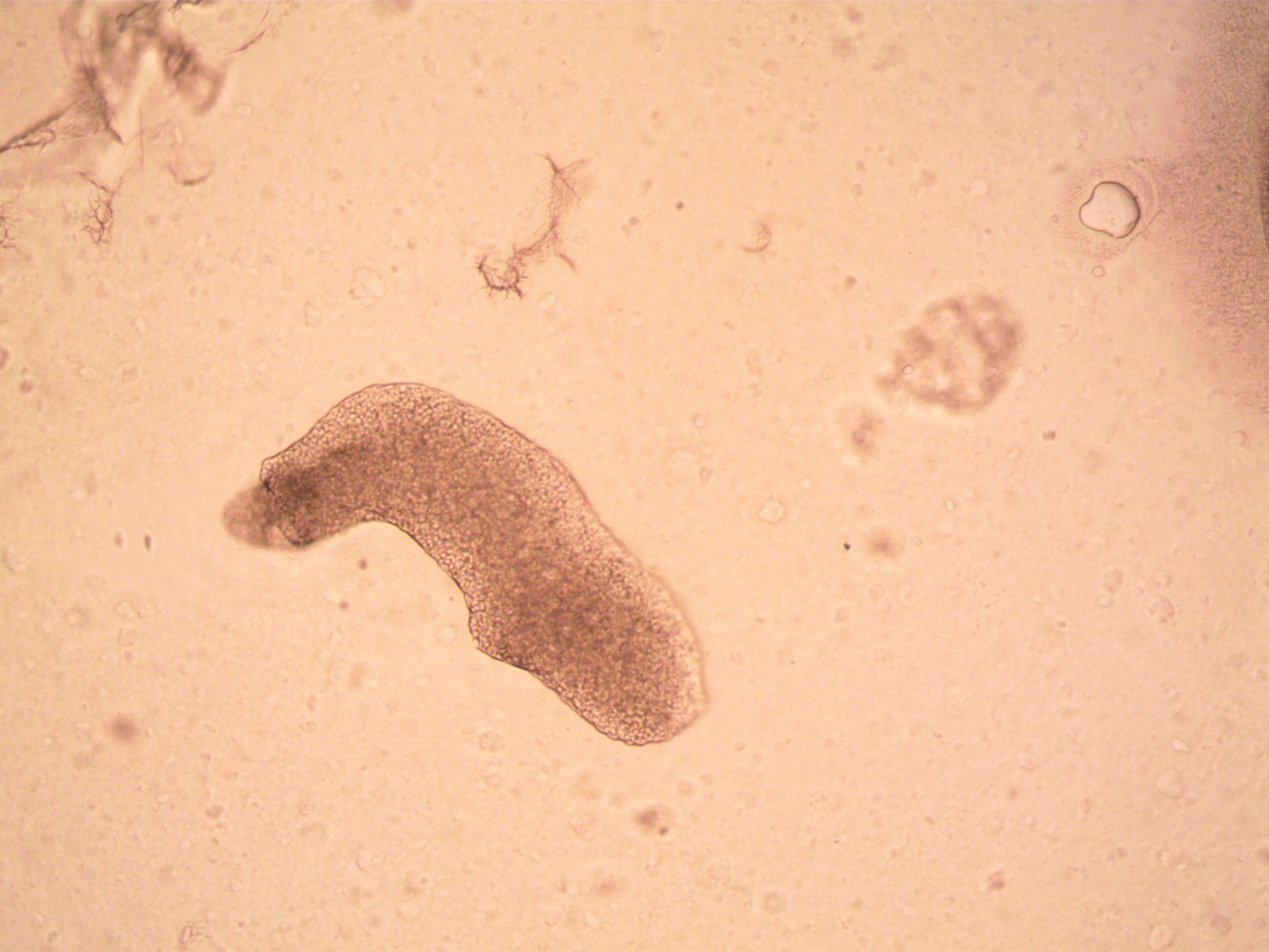
The brain destroying amoeba is a rare and deadly infection that has been reported in only about 200 cases worldwide since its discovery in 1986. It is caused by an opportunistic pathogen that was first identified in the brain of a San Diego Zoo monkey. The infection is notorious for its vague initial symptoms, which can include vomiting, lethargy, and weakness on one side of the body.
As the infection progresses, it can cause a range of severe symptoms, including headache, fever, and trouble swallowing. In some cases, the infection can cause the patient to become unresponsive or experience episodes of stopped breathing. Despite its rarity, the brain destroying amoeba is a significant public health concern due to its high fatality rate, with around 90% of reported cases resulting in death.
What is the Brain Destroying Amoeba?
The brain destroying amoeba is a type of amoeba that infects the brain and central nervous system. It is an opportunistic pathogen, meaning that it typically infects people who have weakened immune systems or other underlying health conditions. The amoeba is thought to be acquired through contact with contaminated water or soil, and it can enter the body through the nose or eyes.
Once inside the body, the amoeba can travel to the brain, where it can cause a range of severe symptoms. The infection can be difficult to diagnose, as the symptoms can be similar to those of other conditions, such as meningitis or encephalitis. However, there are some telltale signs that can indicate the presence of the brain destroying amoeba, including the presence of certain antibodies in the blood or cerebrospinal fluid.
Symptoms and Diagnosis
The symptoms of the brain destroying amoeba infection can vary depending on the individual and the severity of the infection. However, some common symptoms include:
- Vomiting and lethargy
- Weakness on one side of the body
- Headache and fever
- Trouble swallowing
- Unresponsiveness or episodes of stopped breathing
Diagnosing the brain destroying amoeba infection can be challenging, as the symptoms can be similar to those of other conditions. However, doctors can use a range of tests, including blood tests and imaging studies, to help diagnose the infection. These tests can include:
CT or MRI scans to look for signs of brain damage or inflammation
EEG to measure the electrical activity of the brain
Lumbar puncture to collect cerebrospinal fluid for testing
Treatment and Prevention
There is currently no cure for the brain destroying amoeba infection, and treatment is typically focused on managing the symptoms and supporting the patient’s overall health. This can include:
Medications to reduce fever and relieve pain
Oxygen therapy to support breathing
Fluid replacement to prevent dehydration
Supportive care, such as physical therapy and occupational therapy, to help the patient recover from the infection
Conclusion
The brain destroying amoeba is a rare and deadly infection that requires prompt medical attention. While the infection is often misdiagnosed, there are some telltale signs that can indicate its presence. By understanding the symptoms and diagnosis of the brain destroying amoeba, we can work to prevent and treat this devastating infection. Further research is needed to develop effective treatments and to raise awareness about the risks of this infection.
Source: arstechnica.com.






Be First to Comment