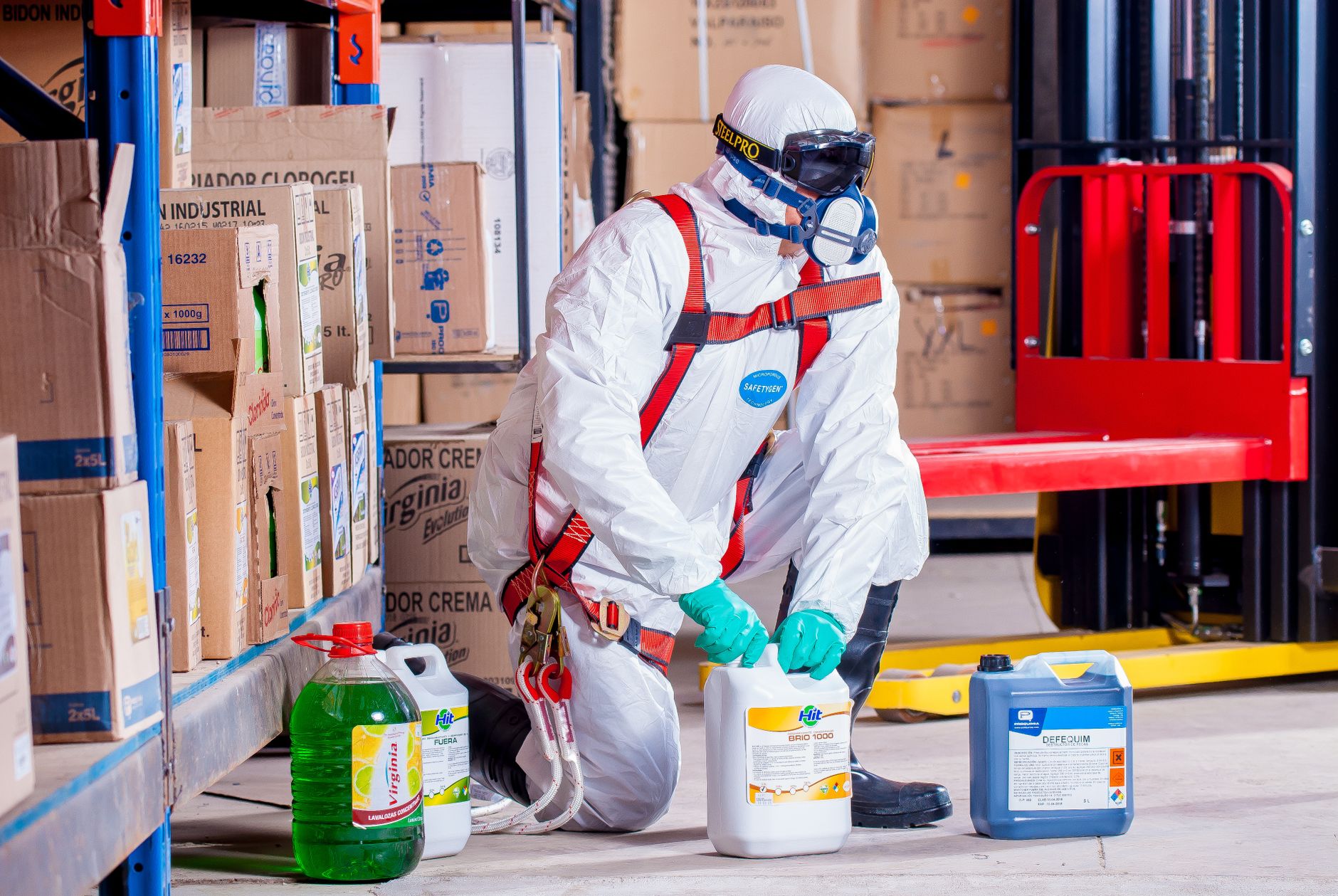
The issue of chemical accidents has gained significant attention in recent years, particularly with the Trump administration’s proposal to weaken safety rules. Chemical accidents, which involve the release of hazardous materials, can have devastating effects on workers, communities, and the environment. Physicist Ronald Koopman’s work on hydrofluoric acid dispersion and water mitigation testing has taken on a new urgency in light of these developments.
Hydrofluoric acid, also known as hydrogen fluoride or HF, is a highly corrosive and dangerous chemical used in the manufacture of various materials, including refrigerants, gasoline, and fluoropolymers. Koopman’s experiments with the chemical in the 1980s warned of the potential for deadly accidents at facilities that use these hazardous materials.
Chemical Accidents on the Rise
A new analysis has shown that chemical accidents are increasing, posing a significant threat to workers and communities. The proposed weakening of safety rules by the Trump administration has raised concerns among experts and advocacy groups, who argue that it will exacerbate the problem.
The consequences of chemical accidents can be severe, ranging from injuries and fatalities to environmental damage and economic losses. It is essential to understand the causes and effects of these accidents to develop effective strategies for prevention and mitigation.
Causes of Chemical Accidents
Chemical accidents can occur due to various factors, including equipment failure, human error, and natural disasters. The use of hazardous materials, such as hydrofluoric acid, increases the risk of accidents, and the lack of proper safety protocols and training can exacerbate the situation.
- Equipment failure: Malfunctioning equipment can lead to the release of hazardous materials, causing accidents and injuries.
- Human error: Mistakes made by workers, such as improper handling or storage of chemicals, can result in accidents.
- Natural disasters: Events like earthquakes, floods, and hurricanes can damage facilities and cause chemical releases.
The proposed weakening of safety rules by the Trump administration has raised concerns among experts and advocacy groups, who argue that it will increase the risk of chemical accidents. The administration’s plan to roll back rules intended to protect workers and communities from catastrophic industrial chemical releases has sparked criticism and debate.
Implications and Questions to Watch
The increase in chemical accidents and the proposed weakening of safety rules have significant implications for workers, communities, and the environment. As the situation unfolds, several questions will be worth watching, including the impact of the proposed rule changes on accident rates and the effectiveness of existing safety protocols.
Conclusion and Future Directions
In conclusion, the issue of chemical accidents is complex and multifaceted, requiring a comprehensive approach to prevention and mitigation. The proposed weakening of safety rules by the Trump administration has raised concerns among experts and advocacy groups, and it is essential to continue monitoring the situation and advocating for stronger safety protocols to protect workers, communities, and the environment.
Source: arstechnica.com.






Be First to Comment