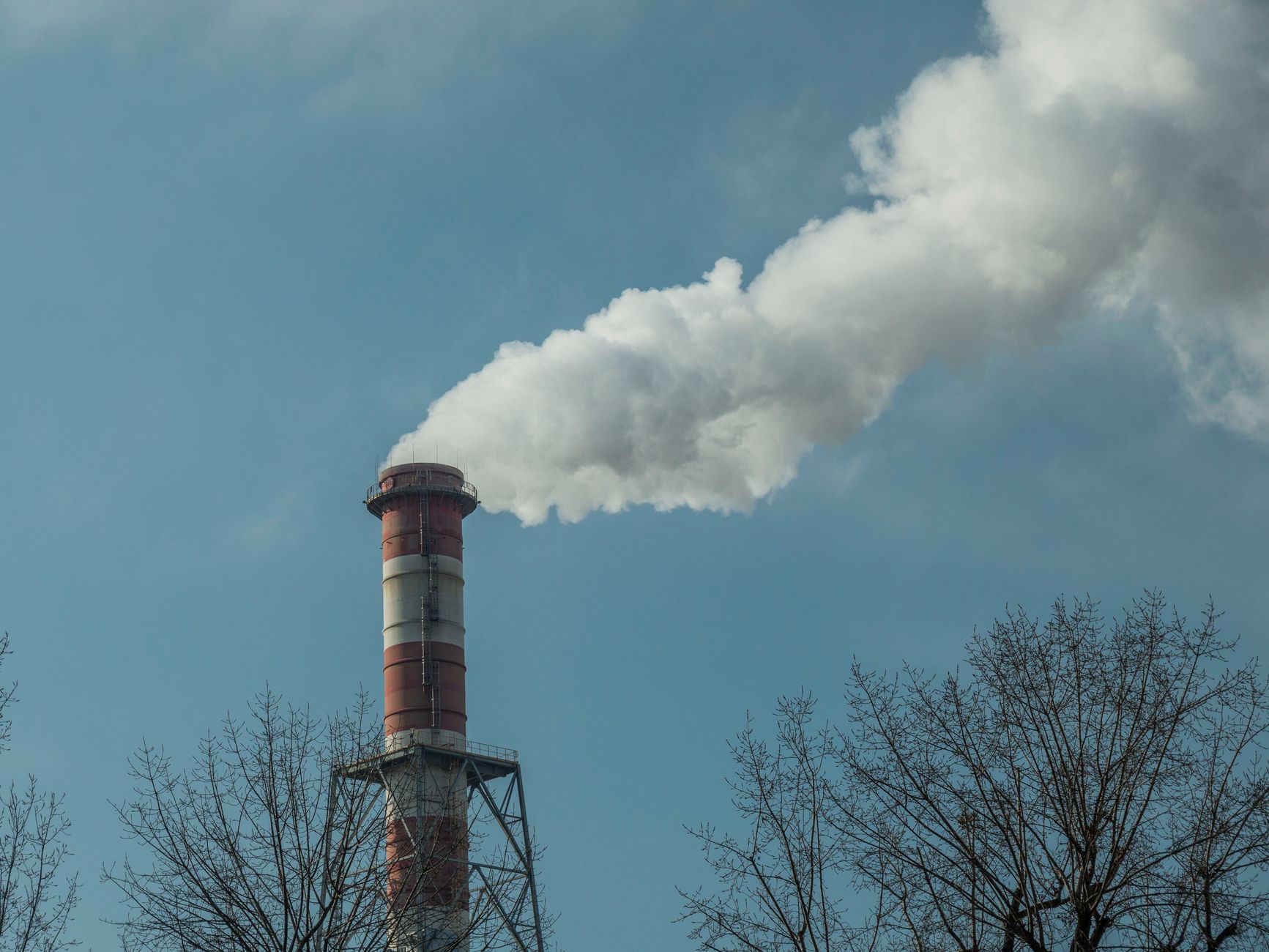
The Clean Air Act has been a cornerstone of environmental protection in the United States for decades, and its provisions have been used to hold companies accountable for their impact on the environment. Recently, the Trump administration has found itself at the center of a controversy surrounding the Clean Air Act, as it attempts to help xAI Corp. beat a lawsuit filed by the National Association for the Advancement of Colored People (NAACP). The lawsuit alleges that xAI and its subsidiary MZX Tech have violated the Clean Air Act by operating gas turbines without a permit in Southaven, Mississippi.
The NAACP lawsuit claims that the gas turbines have fueled health concerns and noise complaints, and that the number of unpermitted turbines has risen to 57. The lawsuit also states that the gas turbines power xAI’s nearby Colossus 2 data center, which in turn powers the chatbot ‘Grok’ used by the military. The Trump administration has argued that the lawsuit threatens the military’s ability to use Grok, and that the data center is essential for national security.
Clean Air Act Provisions
The Clean Air Act is a comprehensive piece of legislation that regulates air pollution in the United States. The Act sets standards for air quality, and requires companies to obtain permits before emitting pollutants into the air. The Act also gives citizens the right to sue companies that violate its provisions, which is what the NAACP has done in this case.
The Clean Air Act has been used to hold companies accountable for their impact on the environment, and has been instrumental in reducing air pollution in the United States. However, the Act has also been the subject of controversy, with some arguing that its provisions are too stringent and others arguing that they do not go far enough.
xAI and the Military
xAI Corp. is a company founded by Elon Musk, and has been at the forefront of developments in artificial technology. The company’s chatbot ‘Grok’ is used by the military, and is designed to provide soldiers with real-time information and analysis. The military has argued that Grok is essential for national security, and that the data center that powers it is critical infrastructure.
However, the NAACP has argued that the military’s use of Grok does not justify xAI’s violation of the Clean Air Act. The organization has stated that the gas turbines used to power the data center are causing health problems for locals, and that xAI should be held accountable for its actions.
Implications of the Lawsuit
- The lawsuit has implications for the future of the Clean Air Act and its enforcement
- It also raises questions about the military’s use of technology and its impact on the environment
- The lawsuit may set a precedent for future lawsuits against companies that violate the Clean Air Act
The lawsuit against xAI is ongoing, and its outcome is uncertain. However, one thing is clear: the Clean Air Act will continue to play a critical role in protecting the environment and holding companies accountable for their actions.
Conclusion
In conclusion, the Clean Air Act is a vital piece of legislation that has been used to hold companies accountable for their impact on the environment. The lawsuit against xAI is a reminder that the Act is still relevant today, and that companies must be held accountable for their actions. As the lawsuit continues, it will be important to watch for developments and to consider the implications of the outcome.
Source: arstechnica.com.






Be First to Comment