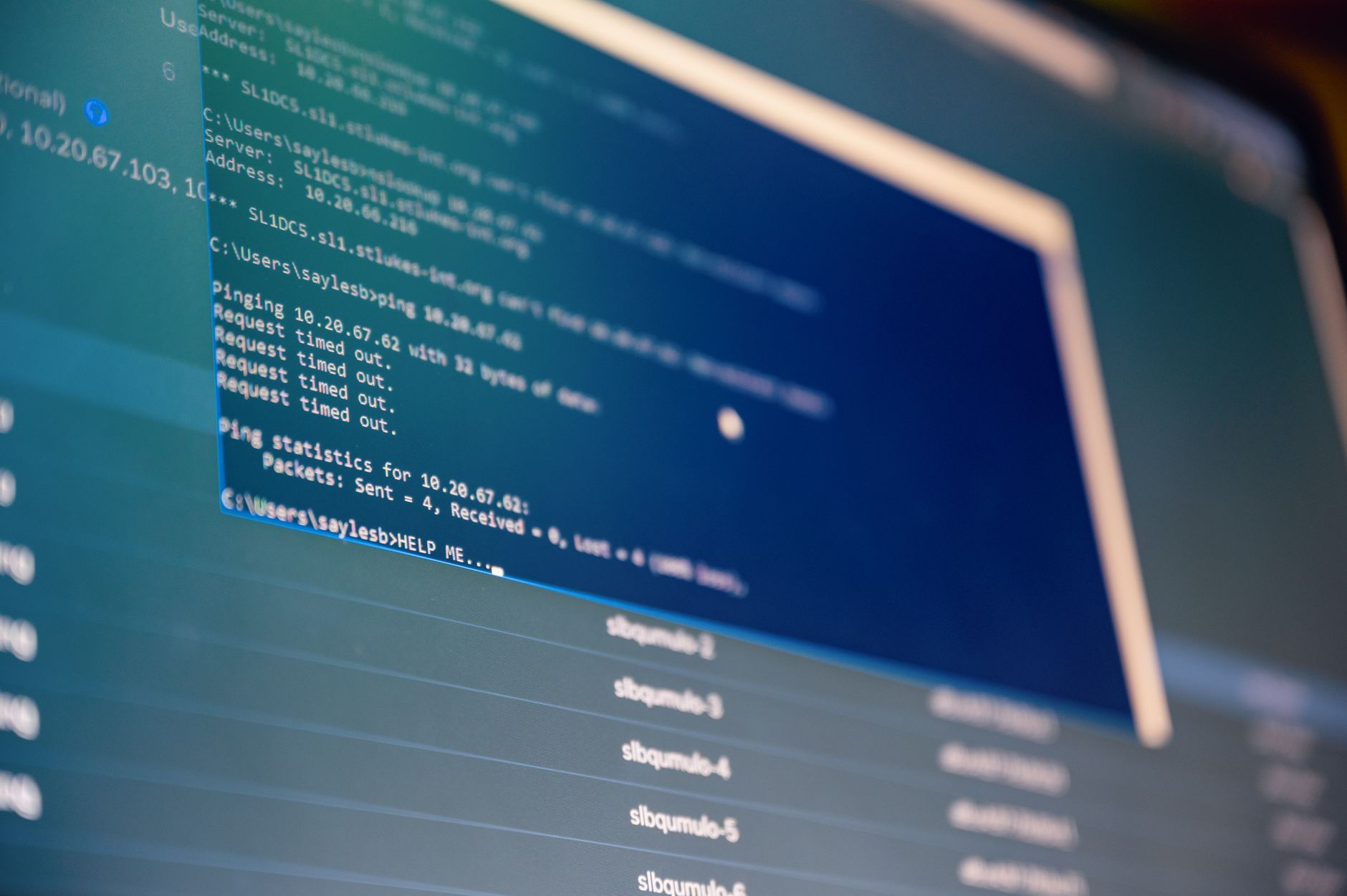
Cybersecurity researchers are individuals who look for unknown vulnerabilities and develop tools to exploit them, playing a crucial role in the cybersecurity landscape. Their work is essential in identifying and addressing potential security threats before they can be exploited by malicious actors. However, recent developments in AI guardrails have begun to impede their work.
The integration of AI guardrails by companies like OpenAI and Anthropic is intended to prevent the misuse of AI tools. While these guardrails are designed to protect against malicious activities, they also inadvertently restrict the work of cybersecurity researchers. This raises important questions about the balance between security and the need for researchers to test and improve cybersecurity measures.
Cybersecurity Researchers and AI Guardrails
The impact of AI guardrails on cybersecurity researchers is multifaceted. On one hand, these guardrails can prevent researchers from accessing certain tools or information that could be used to identify vulnerabilities. On the other hand, the restrictions imposed by AI guardrails can also hinder the development of new cybersecurity tools and techniques.
Researchers rely on the ability to test and experiment with different scenarios to identify potential vulnerabilities. However, with AI guardrails in place, this process becomes more challenging. The restrictions can limit the ability of researchers to conduct thorough tests, potentially leaving some vulnerabilities undetected.
Implications for Cybersecurity
The implications of AI guardrails for cybersecurity are significant. If researchers are unable to effectively test and identify vulnerabilities, it could lead to a decrease in the overall security of systems and networks. This, in turn, could increase the risk of successful cyberattacks, which can have severe consequences for individuals, businesses, and governments.
Furthermore, the restrictions imposed by AI guardrails can also stifle innovation in the field of cybersecurity. If researchers are unable to develop new tools and techniques, it could limit the ability of the cybersecurity community to respond to emerging threats.
Challenges and Limitations
One of the primary challenges facing cybersecurity researchers is the need to balance the need for security with the need for access to information and tools. While AI guardrails are intended to prevent the misuse of AI tools, they can also restrict the work of legitimate researchers.
- Restrictions on access to certain tools and information
- Limits on the ability to conduct thorough tests and experiments
- Potential decrease in the overall security of systems and networks
Despite these challenges, there are potential solutions that can help mitigate the impact of AI guardrails on cybersecurity researchers. For example, companies could implement more nuanced guardrails that allow for legitimate research activities while still preventing malicious use.
Future of Cybersecurity Research
The future of cybersecurity research is uncertain, and the impact of AI guardrails will likely be a major factor in shaping this landscape. As AI continues to evolve and become more integrated into various aspects of our lives, it is essential to find a balance between security and the need for researchers to test and improve cybersecurity measures.
Ultimately, the key to addressing the challenges posed by AI guardrails will be to develop more sophisticated and nuanced approaches to regulating the use of AI tools. By doing so, we can ensure that cybersecurity researchers are able to continue their important work while also preventing the misuse of AI tools.
Source: techcrunch.com.






Be First to Comment