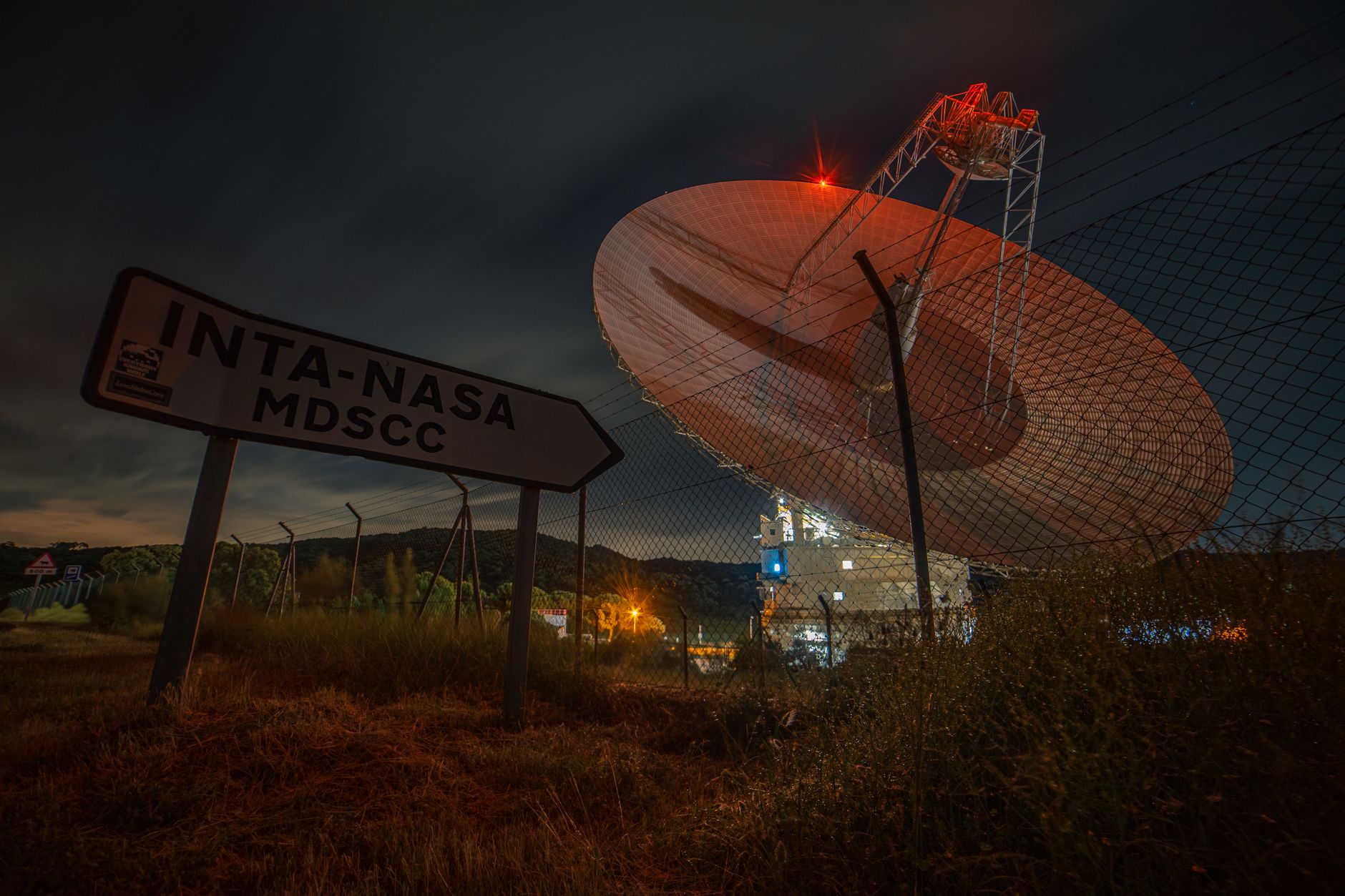
The deep space network is a critical component of NASA’s space exploration efforts, providing global coverage of the planets, stars, and deep space probes. A fast-moving wildfire in Spain has forced the evacuation of the Madrid Deep Space Communications Complex, temporarily suspending operations at one of NASA’s most important tracking stations. The tracking station is part of NASA’s deep space network, operating in concert with similar facilities in California and Australia to provide global coverage as Earth’s rotation brings the planets, stars, and deep space probes in and out of view.
The network supports more than 40 missions from the Moon to the edge of the Solar System, including Artemis, the James Webb Space Telescope, and NASA’s twin Voyager spacecraft. The wildfire has raised concerns about the safety of the complex and the potential impact on NASA’s missions.
Deep Space Network Operations
The deep space network is a vital part of NASA’s space exploration efforts, providing communication and navigation services for spacecraft and astronauts. The network consists of three tracking stations, located in Spain, California, and Australia, which work together to provide global coverage of the planets, stars, and deep space probes. The tracking stations use large antennas to communicate with spacecraft, sending and receiving data and commands.
The deep space network is used for a variety of purposes, including communicating with spacecraft, tracking the movement of celestial bodies, and conducting scientific research. The network is also used to support NASA’s human spaceflight programs, including the International Space Station and the Artemis program.
Impact of the Wildfire
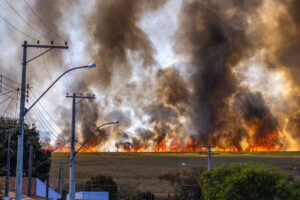
The wildfire has had a significant impact on the deep space network, forcing the evacuation of the Madrid Deep Space Communications Complex and temporarily suspending operations. The wildfire has also raised concerns about the safety of the complex and the potential impact on NASA’s missions. The network is critical to the success of NASA’s space exploration efforts, and any disruption to its operations could have significant consequences.
- The wildfire has forced the evacuation of the Madrid Deep Space Communications Complex
- The wildfire has temporarily suspended operations at the tracking station
- The wildfire has raised concerns about the safety of the complex and the potential impact on NASA’s missions
Future of the Deep Space Network
The deep space network is a critical component of NASA’s space exploration efforts, and it will continue to play a vital role in the agency’s future plans. The network is being upgraded and expanded to support new missions and technologies, including the Artemis program and the James Webb Space Telescope. The wildfire has highlighted the importance of the deep space network and the need to protect it from natural disasters and other threats.
Conclusion
In conclusion, the deep space network is a critical component of NASA’s space exploration efforts, providing global coverage of the planets, stars, and deep space probes. The wildfire in Spain has forced the evacuation of the Madrid Deep Space Communications Complex, temporarily suspending operations at one of NASA’s most important tracking stations. The network supports more than 40 missions from the Moon to the edge of the Solar System, and any disruption to its operations could have significant consequences. The future of the deep space network is critical to the success of NASA’s space exploration efforts, and it will continue to play a vital role in the agency’s future plans.
Source: arstechnica.com.





Be First to Comment