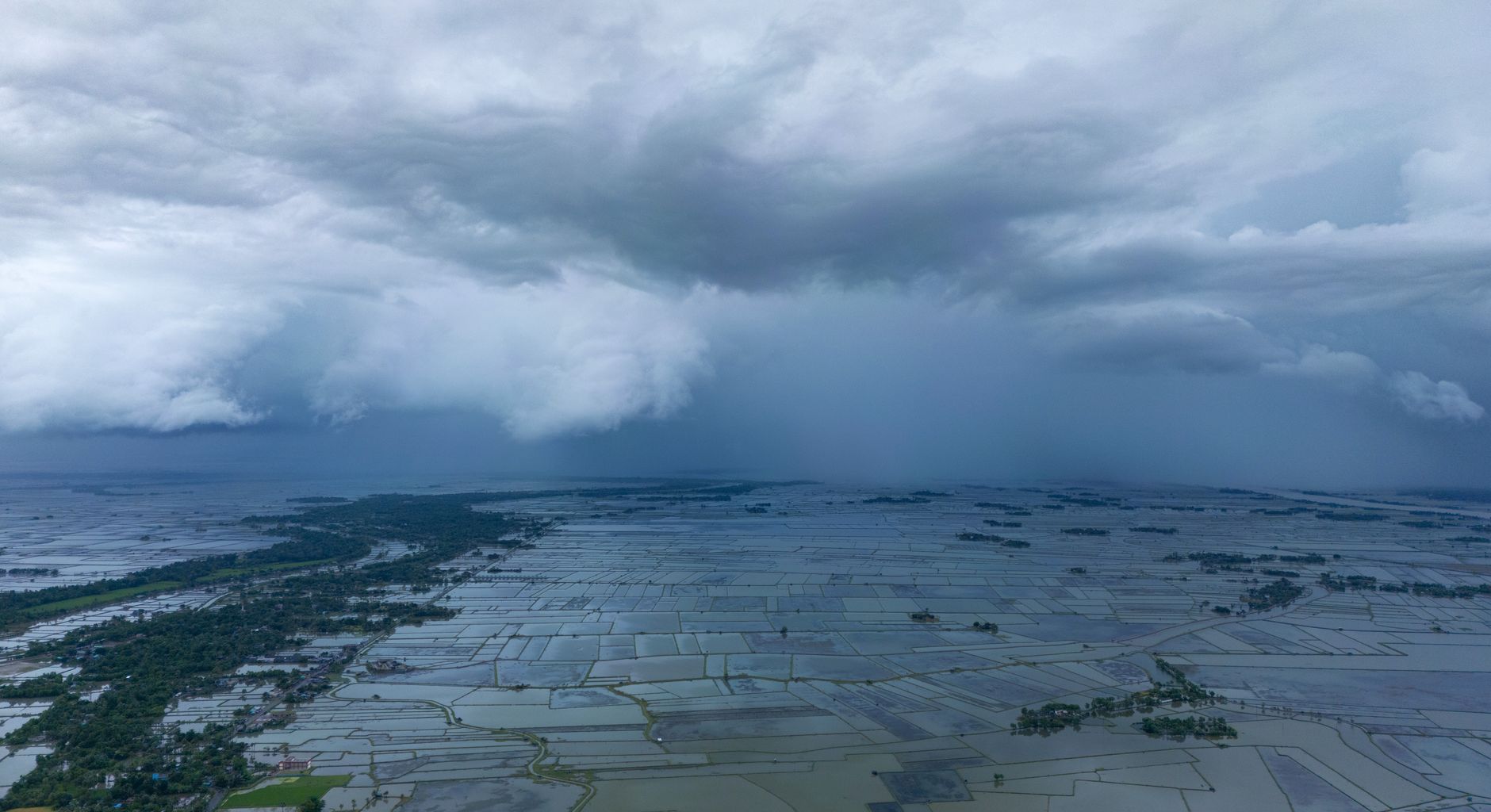
Disaster videos are being shared rapidly online, and it’s causing real world problems in China. As weather events become more extreme, the spread of fake videos is becoming a significant issue. Disaster videos can be incredibly convincing, making it difficult for people to distinguish between what’s real and what’s not.
The impact of disaster videos can be severe, leading to widespread panic and misinformation. In China, the government has been working to combat the spread of fake videos, but it’s an ongoing challenge. The rise of social media has made it easier for videos to go viral, and disaster videos are no exception.
Understanding Disaster Videos
So, what are disaster videos, and why are they so popular? Disaster videos typically depict catastrophic events such as natural disasters, accidents, or other traumatic incidents. They can be created using a variety of techniques, including special effects, editing, and manipulation of real footage.
One of the reasons disaster videos are so popular is that they tap into people’s fascination with the unknown and the extreme. They can also serve as a way for people to process and cope with their fears and anxieties. However, when disaster videos are fake, they can cause harm by spreading misinformation and creating unnecessary panic.
The Impact of Disaster Videos on Society
The impact of disaster videos on society can be significant. They can lead to widespread fear and anxiety, as well as economic losses. In some cases, disaster videos can even lead to physical harm, as people may take unnecessary risks or engage in dangerous behavior in response to the videos.
In addition to the individual impact, disaster videos can also have a broader societal impact. They can erode trust in institutions and the media, as people become increasingly skeptical of the information they receive. This can lead to a breakdown in social cohesion and a decrease in civic engagement.
Combatting Disaster Videos
So, what can be done to combat the spread of disaster videos? One approach is to improve media literacy, so that people are better equipped to critically evaluate the information they receive. This can involve teaching people how to identify fake videos, as well as how to verify the accuracy of the information they see online.
- Verify the source of the video
- Check for inconsistencies in the footage
- Look for corroboration from other sources
- Be cautious of videos that evoke strong emotions
- Report suspicious videos to the relevant authorities
Another approach is to use technology to detect and remove fake videos. This can involve using algorithms to analyze the content of videos, as well as working with social media companies to remove fake videos from their platforms.
Conclusion
In conclusion, disaster videos are a significant issue that requires a comprehensive response. By improving media literacy, using technology to detect and remove fake videos, and working together to combat the spread of misinformation, we can reduce the harm caused by disaster videos and create a safer, more informed online community. Disaster videos are a challenge that we must address, and it will require a collective effort to overcome.
Source: bbc.co.uk.





Be First to Comment