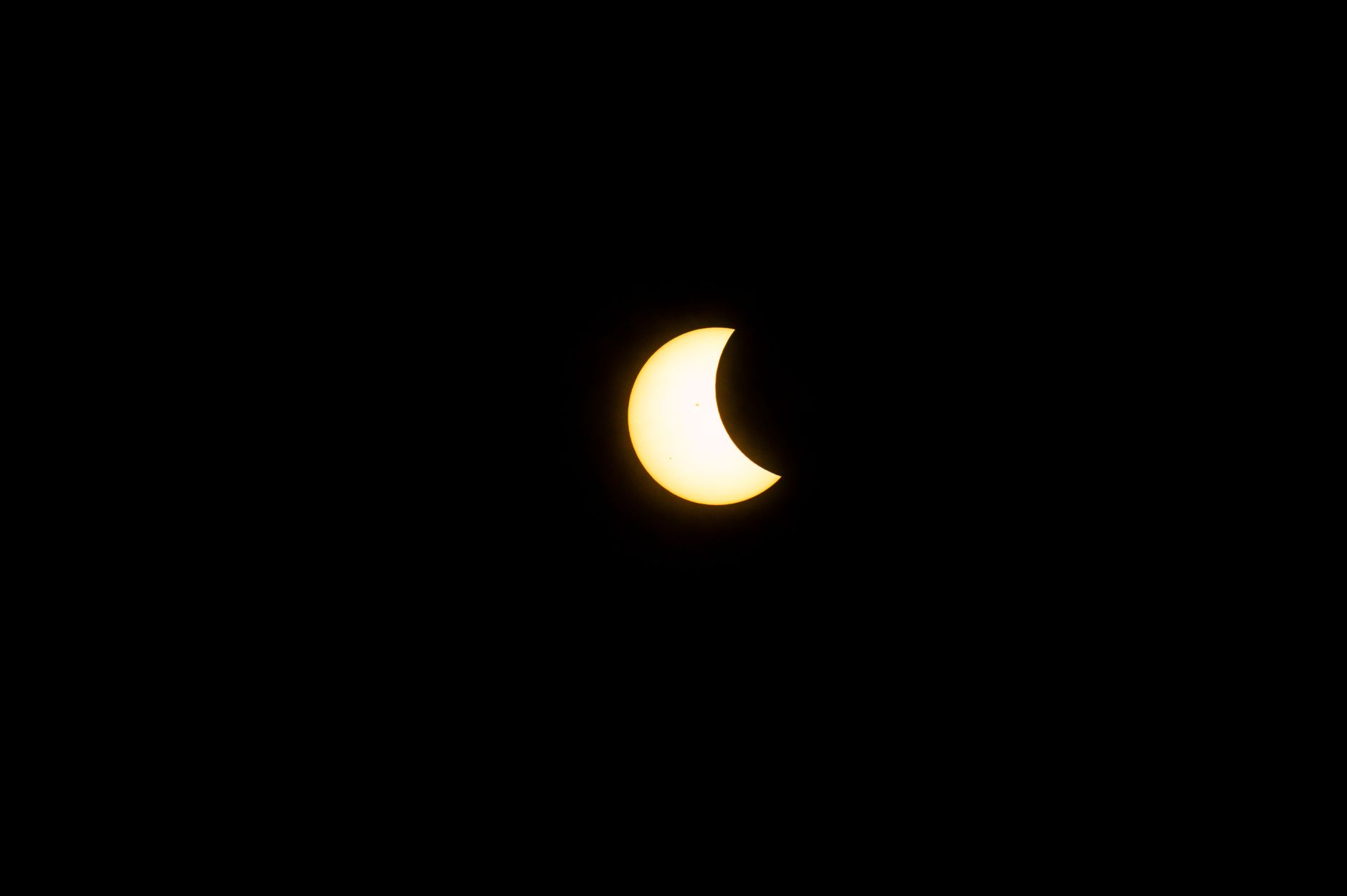
The ultimate eclipse chase was undertaken by a group of scientists in 1973, who used the Concorde to observe a total solar eclipse for a record 74 minutes. This feat was achieved by flying the Concorde at more than twice the speed of sound, allowing the scientists to stay within the Moon’s shadow for an extended period. The Concorde F-WTSS 001 prototype, which was used for this mission, is now on display at the National Air and Space Museum of France, with a painted map on its nose tracing the path of the eclipse.
The idea of chasing an eclipse by air is not new, but the Concorde’s speed and altitude capabilities made it an ideal platform for this mission. By flying at over 60,000 feet, the scientists were able to observe the eclipse from a unique perspective, with the curvature of the Earth visible on the horizon. The Concorde’s speed also allowed them to stay ahead of the Moon’s shadow, which moves at approximately 1,700 miles per hour during an eclipse.
eclipse chase history
The 1973 eclipse chase was not the first attempt to observe an eclipse from the air, but it was certainly one of the most successful. In the early 20th century, scientists began using aircraft to observe eclipses, but these early attempts were limited by the technology available at the time. The development of high-speed aircraft like the Concorde made it possible to observe eclipses for longer periods, and the 1973 mission set a new standard for eclipse chasing.
The scientists on board the Concorde during the 1973 eclipse chase were able to gather valuable data on the Sun’s corona, which is normally invisible due to the brightness of the Sun’s surface. By observing the corona during an eclipse, scientists can learn more about the Sun’s magnetic field and the solar wind, which affects the Earth’s magnetic field and upper atmosphere. The data gathered during the 1973 eclipse chase has been used to improve our understanding of the Sun and its effects on the Earth.
chasing eclipses today
Today, eclipse chasing is a popular activity among scientists and enthusiasts alike. With the development of newer, faster aircraft, it is now possible to observe eclipses from a variety of locations around the world. The use of specialized equipment, such as telescopes and cameras, has also made it possible to gather more detailed data on the Sun’s corona and the eclipse itself. However, the 1973 Concorde mission remains one of the most notable examples of an eclipse chase, due to its record-breaking duration and the valuable data gathered during the flight.
- The Concorde flew at over 60,000 feet during the eclipse chase
- The scientists on board observed the eclipse for 74 minutes
- The data gathered during the mission has been used to improve our understanding of the Sun and its effects on the Earth
eclipse chase implications
The 1973 eclipse chase by the Concorde has had a lasting impact on our understanding of the Sun and its effects on the Earth. The data gathered during the mission has been used to improve our understanding of the Sun’s corona and the solar wind, which affects the Earth’s magnetic field and upper atmosphere. The success of the mission has also inspired new generations of scientists and enthusiasts to pursue eclipse chasing, using newer, faster aircraft and specialized equipment to gather more detailed data on the Sun and its effects on the Earth. As we look to the future, it is likely that eclipse chasing will continue to play an important role in our understanding of the Sun and its effects on our planet.
future of eclipse chasing
As technology continues to advance, it is likely that eclipse chasing will become even more sophisticated. The development of newer, faster aircraft and specialized equipment will make it possible to observe eclipses from a variety of locations around the world, and to gather even more detailed data on the Sun’s corona and the eclipse itself. The use of drones and other unmanned aerial vehicles may also become more common, allowing scientists to gather data from remote locations and to observe eclipses in greater detail than ever before. As we look to the future, it is exciting to think about the new discoveries that may be made through the pursuit of eclipse chasing, and the ways in which this activity may continue to inspire new generations of scientists and enthusiasts.
Source: arstechnica.com.






Be First to Comment