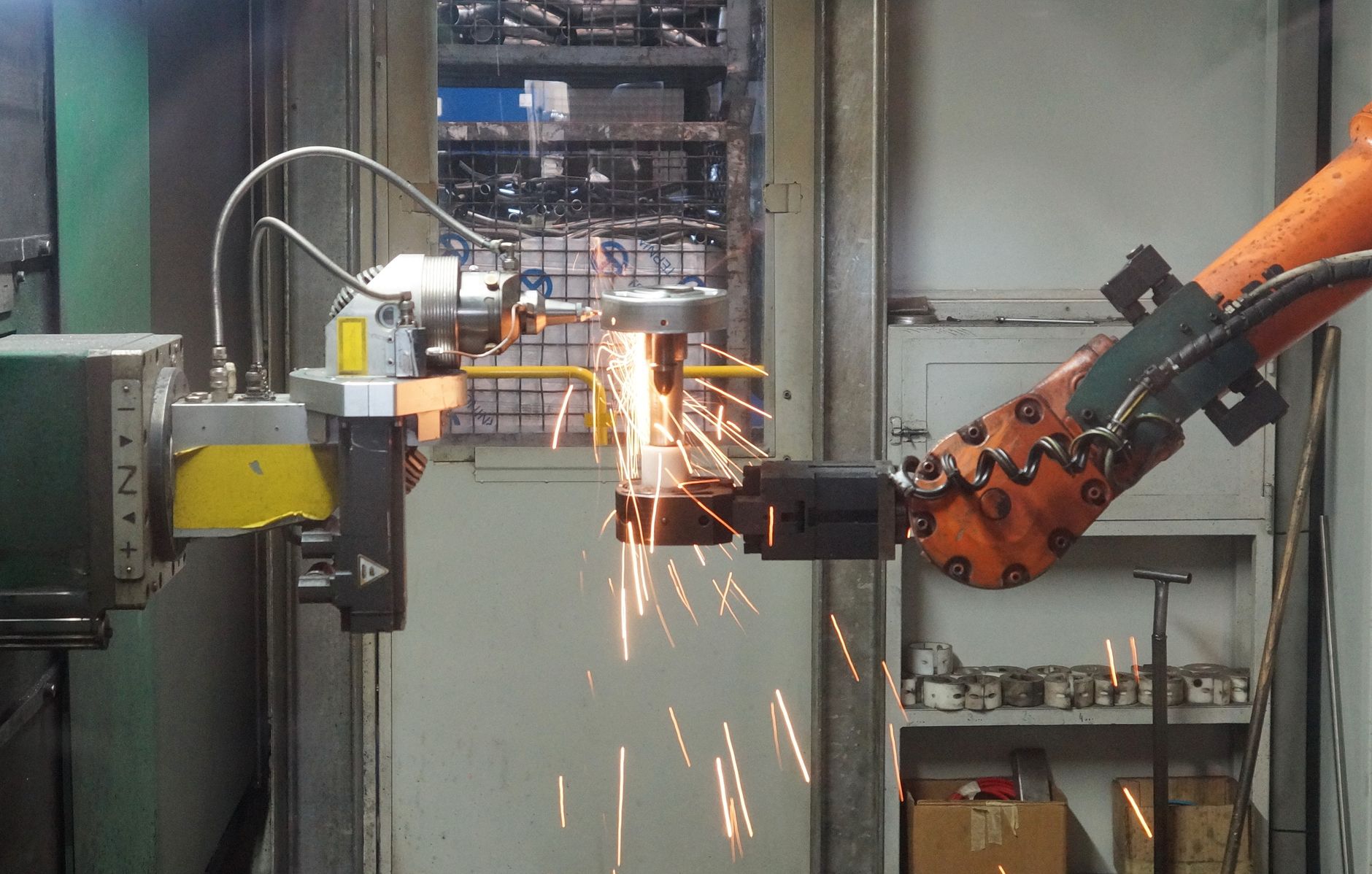
The US has imposed a ban on foreign-made robots, including humanoid and four-legged robots, citing cybersecurity vulnerabilities as the primary reason. The ban, which was announced by the US Federal Communications Commission (FCC), covers a wide range of robots manufactured abroad, including the latest robot vacuum cleaners. This move is expected to have significant implications for the tech industry and consumers alike.
The FCC’s decision to ban foreign-made robots was based on the recommendation of a qualifying national security authority, which determined that these devices pose an unacceptable risk to the national security of the US and the safety and security of US persons. The ban is part of a broader effort by the US government to address cybersecurity concerns and protect the country’s critical infrastructure.
Foreign Robots and Cybersecurity Risks
Cybersecurity risks associated with foreign-made robots have been a concern for some time. In recent years, several instances of cyber attacks on robots and other IoT devices have been reported, highlighting the vulnerabilities of these devices. The ban on foreign-made robots is an attempt to mitigate these risks and prevent potential cyber threats.
The ban is likely to affect various types of robots, including those used in industries such as manufacturing, healthcare, and transportation. It may also impact consumers who use robot vacuum cleaners and other smart home devices. As the US continues to take steps to address cybersecurity concerns, it is essential to consider the potential implications of this ban on the tech industry and consumers.
Implications of the Ban
The ban on foreign-made robots is expected to have significant implications for the tech industry. It may lead to increased costs for manufacturers, as they will need to redesign and reconfigure their products to meet US cybersecurity standards. The ban may also lead to a shortage of certain types of robots, as manufacturers may struggle to meet the demand for US-made devices.
- Increased costs for manufacturers
- Potential shortage of certain types of robots
- Impact on consumers who use robot vacuum cleaners and other smart home devices
- Effects on industries such as manufacturing, healthcare, and transportation
The ban on foreign-made robots also raises questions about the role of government in regulating the tech industry. As the US continues to take steps to address cybersecurity concerns, it is essential to consider the potential implications of these regulations on innovation and economic growth.
Conclusion and Future Directions
In conclusion, the US ban on foreign-made robots is a significant development that highlights the growing concerns about cybersecurity risks associated with these devices. As the tech industry continues to evolve, it is essential to consider the potential implications of this ban and the role of government in regulating the industry. The future of foreign robots and cybersecurity will likely be shaped by ongoing developments in the tech industry and government regulations.
Source: arstechnica.com.






Be First to Comment