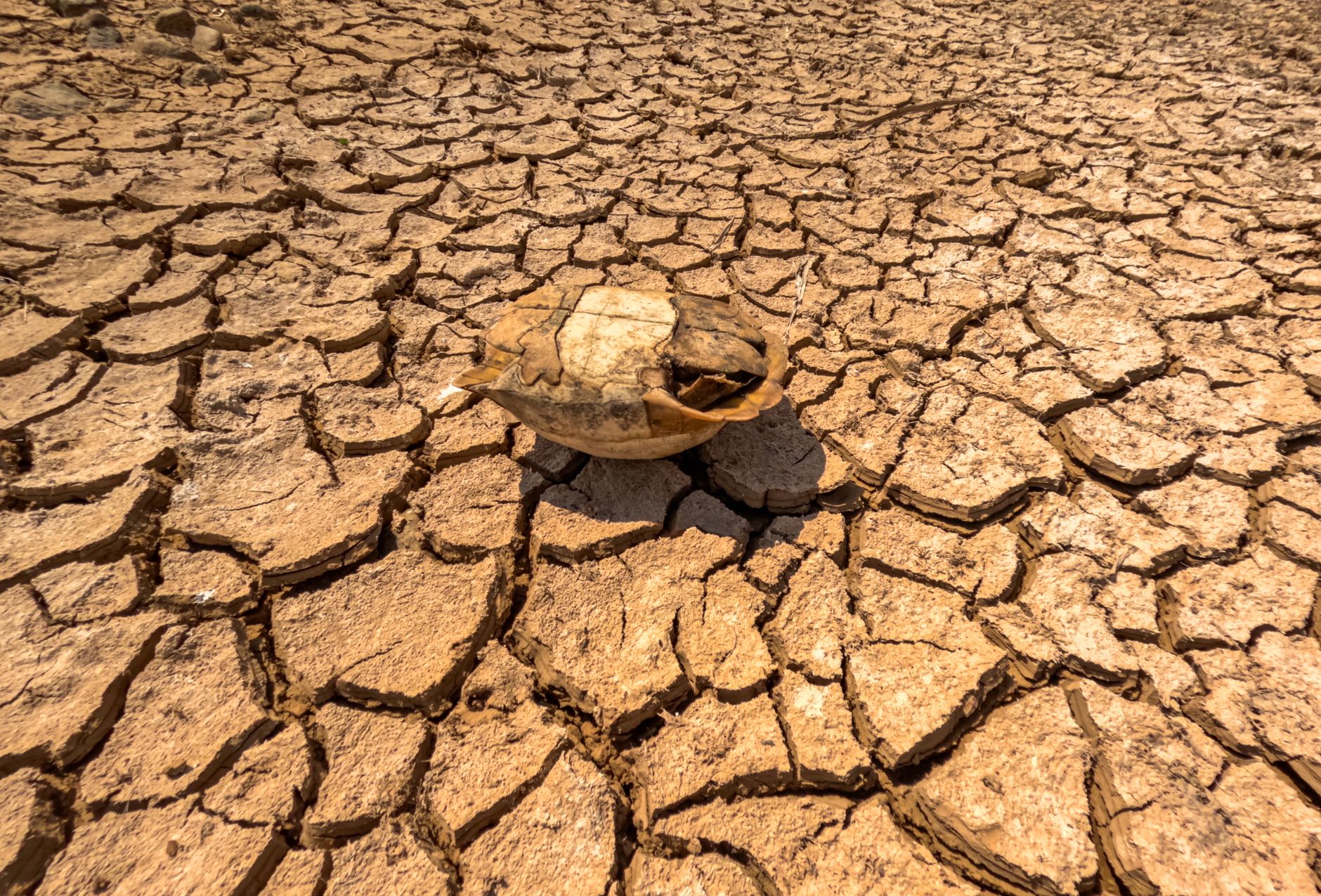
Heat extremes are becoming increasingly common due to global warming, with severe consequences for human health and the environment. Generally, studies on heat extremes work with daily minimum, maximum, and mean temperatures, but a new approach is breaking down heat extremes to the hourly level, which reveals some interesting nuances.
This new method of analysis can help scientists think about heat extremes in a different way, yielding surprises and a deeper understanding of the problem. The human body has physiological limits, and extreme heat can have devastating effects, especially for vulnerable populations such as the elderly and young children.
Understanding Heat Extremes
Heat extremes are not just a matter of high temperatures, but also of humidity, wind, and other environmental factors. The discomfort and health impacts of heat extremes increase for longer events, making it essential to study multi-day heatwaves. Different thresholds can be used to define extreme heat, either based on past statistics or on the human body’s physiological limits.
A new study led by Weilin Liao and Xuanzong Zhang at Sun Yat-sen University tried breaking down heat extremes to the hourly level instead, which reveals some interesting nuances. This approach can help identify the most critical periods of extreme heat and provide more accurate warnings for heat-related illnesses.
Impacts of Heat Extremes
Heat extremes have severe consequences for human health, including heat stress, heat exhaustion, and heatstroke. Prolonged exposure to extreme heat can also lead to long-term health problems, such as kidney damage and respiratory issues. The economic impacts of heat extremes are also significant, with heatwaves causing damage to infrastructure, agriculture, and industry.
- Heat stress and heat-related illnesses
- Long-term health problems, such as kidney damage and respiratory issues
- Economic impacts, including damage to infrastructure, agriculture, and industry
- Environmental impacts, including increased air pollution and water scarcity
- Social impacts, including increased mortality and displacement
The impacts of heat extremes are far-reaching and devastating, making it essential to develop effective strategies for mitigating and adapting to these events. This includes improving early warning systems, providing education and awareness about heat-related risks, and implementing measures to reduce the urban heat island effect.
Conclusion and Future Directions
In conclusion, heat extremes are a pressing issue that requires immediate attention and action. By breaking down heat extremes to the hourly level, scientists can gain a deeper understanding of the problem and develop more effective strategies for mitigating and adapting to these events. As the world continues to warm, it is essential to stay vigilant and proactive in addressing the impacts of heat extremes, and to work towards creating a more resilient and sustainable future for all.
Future Research Directions
Future research should focus on developing more accurate and reliable early warning systems for heat extremes, as well as improving our understanding of the physiological and psychological impacts of heat stress. Additionally, studies should investigate the effectiveness of different mitigation and adaptation strategies, such as urban planning and design, and the use of green infrastructure to reduce the urban heat island effect.
Source: arstechnica.com.






Be First to Comment