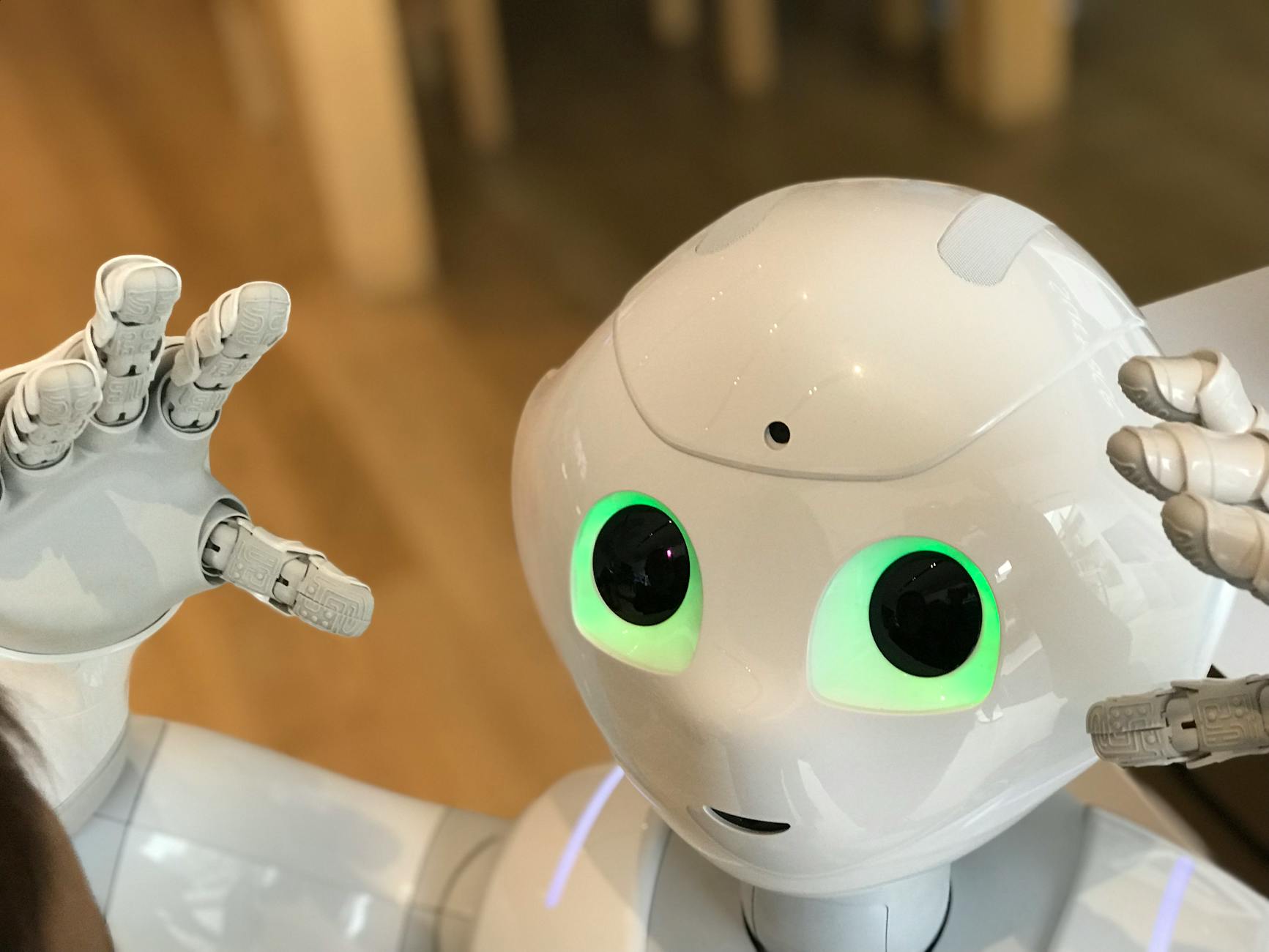
The rapid advancements in artificial intelligence (AI) have sparked intense debate and speculation about the potential impact of this technology on society. At the forefront of this discussion is Mustafa Suleyman, the CEO of Microsoft AI, who recently shared his insights on the future of AI and its potential effects on the job market. In a candid conversation, Suleyman addressed various aspects of AI development, including the training of new models, the relationship between Microsoft and OpenAI, and the growing concerns surrounding the technology. One of the most significant takeaways from the discussion was Suleyman's assertion that superintelligence, a state where AI surpasses human intelligence, is nearing, but it will not necessarily lead to widespread job loss.
To understand the significance of Suleyman's statement, it is essential to delve into the history and context of AI development. The concept of AI has been around for decades, with the term "artificial intelligence" first being coined in 1956 by computer scientist John McCarthy. Since then, AI has evolved from a niche area of research to a ubiquitous technology with applications in various industries, including healthcare, finance, and transportation. The recent breakthroughs in machine learning and deep learning have further accelerated the development of AI, enabling the creation of more sophisticated models that can perform complex tasks with unprecedented accuracy. However, this rapid progress has also raised concerns about the potential consequences of creating intelligent machines that can surpass human capabilities.
The notion of superintelligence has been a topic of discussion among AI researchers and experts for several years. The term refers to a hypothetical AI system that possesses intelligence far beyond the capabilities of the human mind. While some experts believe that superintelligence could be achieved through the development of more advanced AI models, others argue that it is still a distant possibility. Suleyman's statement suggests that Microsoft is making significant progress in AI development, and the company is poised to play a leading role in shaping the future of this technology. However, the implications of superintelligence are far-reaching, and it is crucial to consider the potential consequences of creating such a powerful technology.
One of the primary concerns surrounding AI is its potential impact on the job market. As AI systems become more advanced, they are increasingly capable of performing tasks that were previously the exclusive domain of humans. This has led to fears that AI could displace human workers, particularly in industries where tasks are repetitive or can be easily automated. However, Suleyman's statement suggests that Microsoft does not believe that superintelligence will necessarily lead to widespread job loss. Instead, the company is focusing on developing AI systems that can augment human capabilities, rather than replace them. This approach is consistent with the idea that AI can be used to enhance productivity and efficiency, rather than simply automating tasks.
The relationship between Microsoft and OpenAI is also an important aspect of the AI landscape. OpenAI is a leading AI research organization that has developed several cutting-edge AI models, including the popular language model, Claude. Microsoft has partnered with OpenAI to develop and deploy AI models, and the two companies have made significant progress in advancing the state-of-the-art in AI research. However, Suleyman also criticized OpenAI for anthropomorphizing its AI models, suggesting that the company is overstating the capabilities of its technology. This criticism highlights the need for a more nuanced understanding of AI and its limitations, as well as the importance of developing AI systems that are transparent, explainable, and aligned with human values.
In conclusion, the recent conversation with Mustafa Suleyman, the CEO of Microsoft AI, provides valuable insights into the future of AI and its potential impact on society. While Suleyman's statement about superintelligence is significant, it is essential to consider the broader context of AI development and the potential consequences of creating advanced AI systems. As AI continues to evolve and become more ubiquitous, it is crucial to address the concerns and challenges associated with this technology, including its potential impact on the job market and its potential to displace human workers. By developing AI systems that augment human capabilities, rather than replace them, companies like Microsoft and OpenAI can help ensure that the benefits of AI are shared by all, while minimizing its potential risks and negative consequences.
Additional reporting via www.theverge.com






Be First to Comment