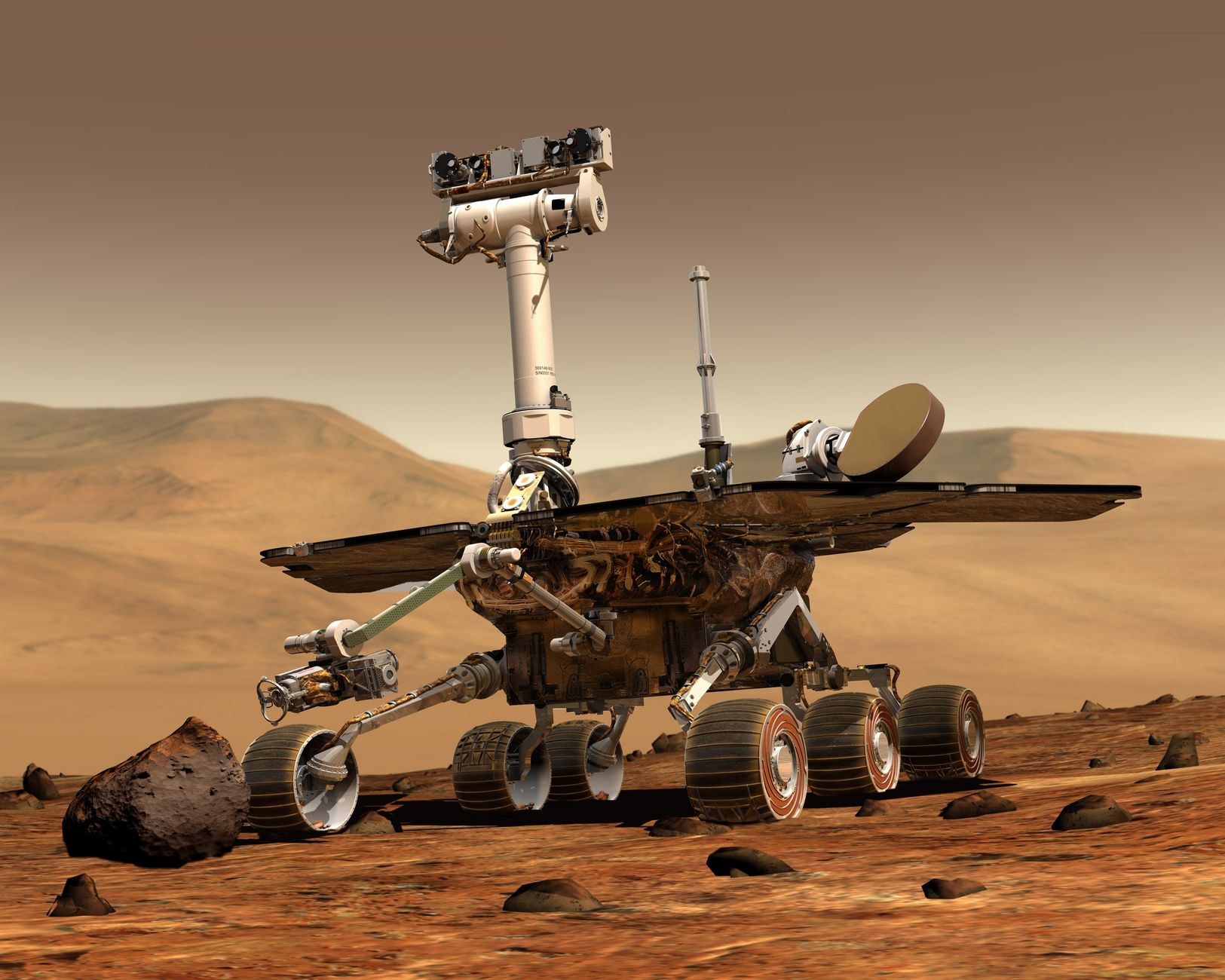
NASA is considering a new mission to the moon, one that could potentially involve sending a nuclear powered mars rover to the lunar surface. The nuclear powered mars rover, a backup model of the perseverance rover, would be equipped with a multi-mission radioisotope thermoelectric generator (MMRTG) to power it across difficult terrain and through the lunar night.
This mission would mark a significant milestone in NASA’s efforts to explore the moon and its resources. The nuclear powered mars rover would be capable of operating in areas with limited sunlight, making it an ideal candidate for exploring the moon’s south pole region.
Nuclear Powered Mars Rover: A New Era in Space Exploration
The use of nuclear power in space exploration is not new, but it has been largely limited to specific applications such as powering satellites and other spacecraft. However, with the development of the MMRTG, NASA has been able to create a reliable and efficient source of power for its rovers.
The nuclear powered mars rover would be a significant improvement over traditional solar-powered rovers, which are limited by the amount of sunlight they receive. The MMRTG would allow the rover to operate for extended periods of time, even in areas with limited sunlight.
Benefits of the Nuclear Powered Mars Rover
The nuclear powered mars rover would offer several benefits over traditional rovers. These include:
- Increased operating time: The MMRTG would allow the rover to operate for extended periods of time, even in areas with limited sunlight.
- Improved mobility: The nuclear powered mars rover would be capable of operating in areas with difficult terrain, making it an ideal candidate for exploring the moon’s south pole region.
- Enhanced research capabilities: The rover would be equipped with a range of scientific instruments, allowing it to conduct a wide range of research and experiments.
The nuclear powered mars rover would be a significant step forward in NASA’s efforts to explore the moon and its resources. With its advanced power source and improved mobility, it would be capable of conducting a wide range of research and experiments, and would play a key role in helping us to better understand the moon and its place in the universe.
Challenges and Implications
While the nuclear powered mars rover offers many benefits, it also poses several challenges. One of the main concerns is the safety of the rover and its crew, as well as the potential risks associated with using nuclear power in space.
Despite these challenges, the nuclear powered mars rover is an exciting development in the field of space exploration. With its advanced technology and improved capabilities, it has the potential to greatly enhance our understanding of the moon and its resources, and could play a key role in helping us to establish a sustainable human presence on the lunar surface.
Conclusion
In conclusion, the nuclear powered mars rover is a significant development in the field of space exploration. With its advanced power source and improved mobility, it has the potential to greatly enhance our understanding of the moon and its resources, and could play a key role in helping us to establish a sustainable human presence on the lunar surface. As NASA continues to explore the possibilities of this new technology, we can expect to see many exciting developments in the years to come.
Source: arstechnica.com.






Be First to Comment