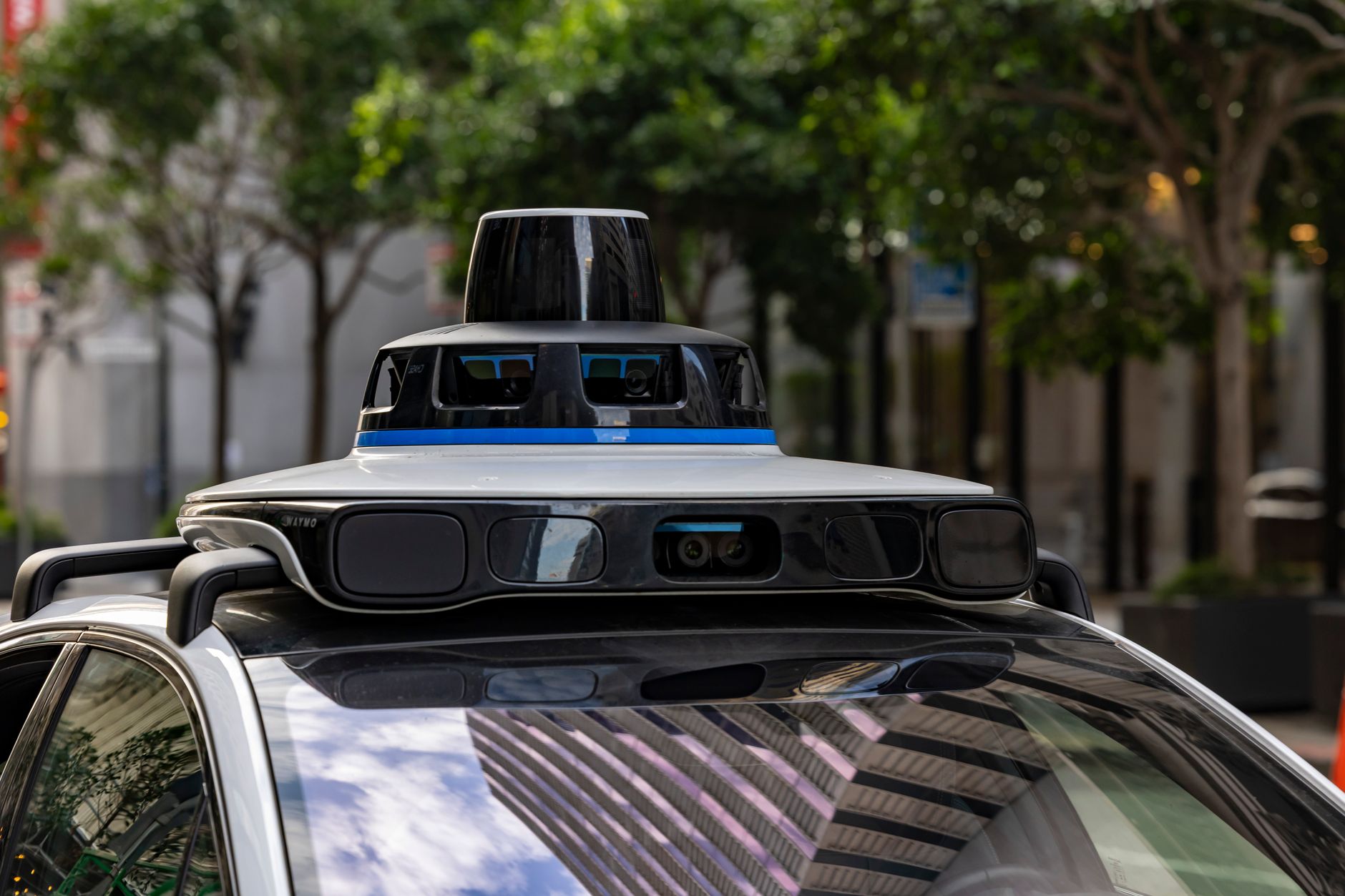
Decart is taking a significant step forward in the development of autonomous vehicles with the launch of Oasis 3, a real-time world model that generates photorealistic driving environments. This innovative technology is designed to simulate hours of driving, providing a realistic and immersive experience for testing autonomous vehicles.
What is Oasis 3?
Oasis 3 is a cutting-edge world model that utilizes advanced algorithms and machine learning techniques to create highly realistic driving environments. These environments can be customized to simulate various driving scenarios, including different weather conditions, road types, and time of day. The level of detail and realism in these simulations is unparalleled, making Oasis 3 an invaluable tool for developers and researchers in the autonomous vehicle industry.
Applications and Benefits
The potential applications of Oasis 3 are vast and varied. Autonomous vehicle manufacturers can use the technology to test and refine their vehicles’ navigation systems, sensor suites, and decision-making algorithms. Additionally, Oasis 3 can be used to simulate emergency scenarios, such as avoiding pedestrians or responding to sudden changes in traffic patterns. By providing a realistic and controlled environment for testing, Oasis 3 can help reduce the time and cost associated with physical testing, while also improving the overall safety and reliability of autonomous vehicles.
- Improved testing efficiency and reduced costs
- Enhanced safety and reliability of autonomous vehicles
- Increased flexibility and customization options for simulated driving scenarios
Availability and Accessibility
Oasis 3 is now available via API for developers, allowing them to integrate the technology into their existing testing frameworks and workflows. This accessibility is expected to accelerate the development and deployment of autonomous vehicles, as developers can leverage the power of Oasis 3 to create more realistic and comprehensive testing scenarios. However, it is essential to note that the use of Oasis 3 is not without its limitations and caveats, which must be carefully considered by developers and researchers.
As the autonomous vehicle industry continues to evolve, the importance of realistic and effective testing environments will only continue to grow. Decart’s Oasis 3 is poised to play a significant role in this development, providing a powerful tool for creating photorealistic driving environments that can help shape the future of transportation.
Future Implications and Considerations
The launch of Oasis 3 raises important questions about the future of autonomous vehicle testing and development. As the technology continues to advance, it is crucial to consider the potential implications and limitations of relying on simulated environments for testing. Key areas of focus will include ensuring the accuracy and validity of simulated scenarios, addressing potential biases in the data used to train autonomous vehicles, and developing effective strategies for validating the results of simulated tests. By carefully addressing these challenges, the autonomous vehicle industry can unlock the full potential of Oasis 3 and other similar technologies, ultimately leading to the creation of safer, more reliable, and more efficient transportation systems.
Source: techcrunch.com.





Be First to Comment