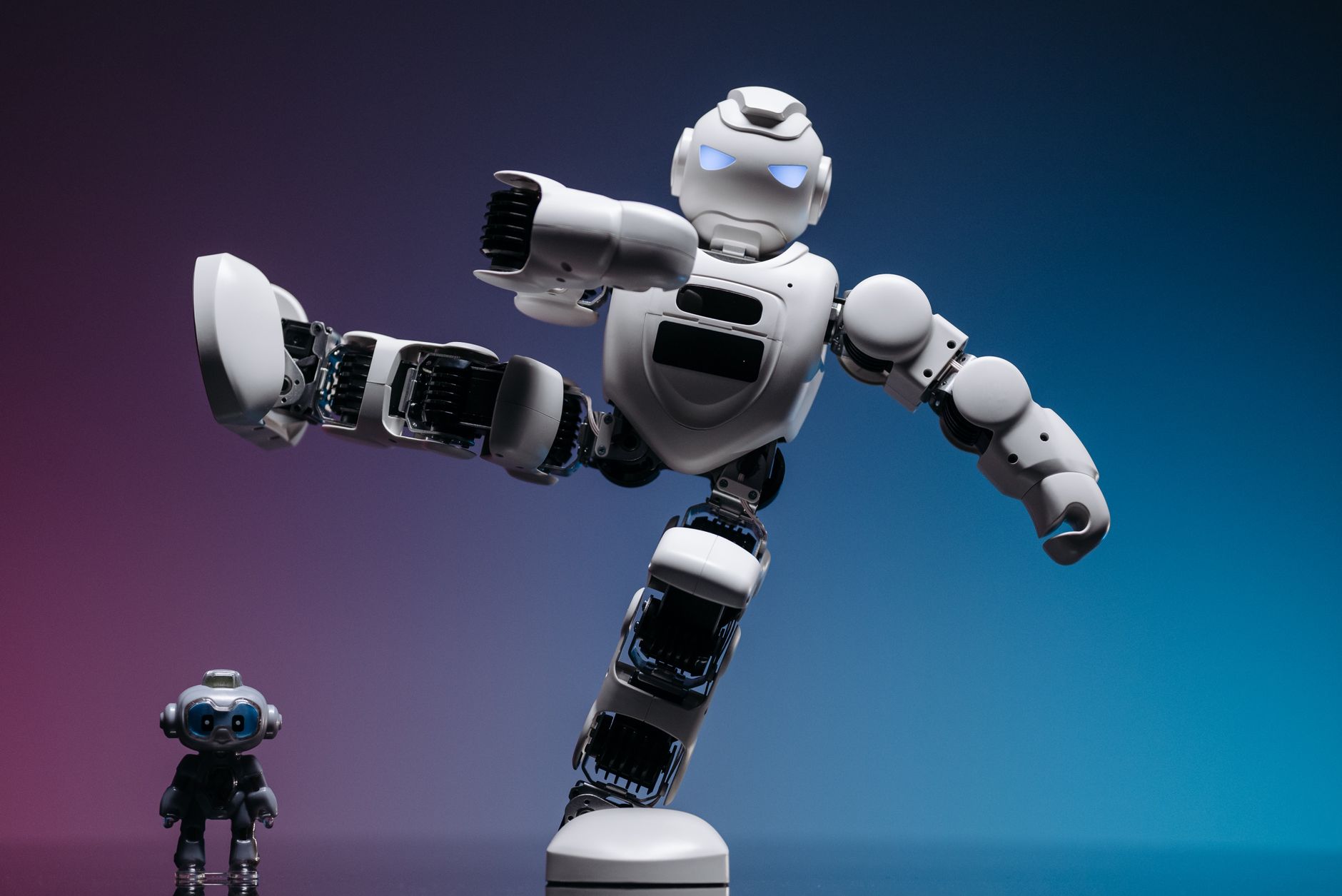
The US government has introduced a robot ban on foreign-made devices, including humanoid and quadruped models, in a move that is likely to have significant implications for the global robotics industry. The ban, which was announced by the Federal Communications Commission, targets advanced robotic devices and power inverters made in foreign countries. This robot ban is expected to have a major impact on China, which has been ramping up efforts to produce humanoid robots.
The robot ban is not limited to robots that walk around, but also includes other types of advanced robotic devices. The move is seen as part of a broader effort by the US government to restrict the importation of foreign-made technology, particularly from China. The ban is set to come into effect in the near future, although the exact timeline has not been announced.
Background to the Robot Ban
The US government has been increasingly concerned about the national security implications of importing foreign-made technology, particularly from China. The robot ban is seen as part of a broader effort to address these concerns and to promote the development of domestic industries. The ban is also likely to have significant implications for companies that rely on foreign-made robotic devices, including those in the manufacturing and logistics sectors.
The robot ban is not the first time that the US government has taken action to restrict the importation of foreign-made technology. In recent years, the government has introduced a range of measures aimed at promoting domestic industries and restricting the importation of foreign-made goods. These measures have included tariffs, quotas, and other forms of trade restriction.
Implications of the Robot Ban
The implications of the robot ban are likely to be significant, both for the US and for the global robotics industry. The ban is expected to have a major impact on China, which has been investing heavily in the development of humanoid robots. The ban is also likely to have significant implications for companies that rely on foreign-made robotic devices, including those in the manufacturing and logistics sectors.
- The robot ban is likely to lead to increased costs for companies that rely on foreign-made robotic devices.
- The ban is expected to promote the development of domestic industries, including the US robotics industry.
- The ban is likely to have significant implications for the global robotics industry, including changes to supply chains and manufacturing processes.
The robot ban is a complex issue, and its implications are likely to be far-reaching. As the situation continues to evolve, it will be important to monitor developments closely and to consider the potential implications for the US and the global robotics industry.
Questions to Watch
There are a number of questions to watch as the robot ban comes into effect. These include the impact of the ban on the US and global robotics industries, as well as the potential implications for national security. The ban is also likely to raise questions about the role of government in regulating the development and use of robotic devices.
The robot ban is a significant development, and its implications are likely to be felt for some time to come. As the situation continues to evolve, it will be important to monitor developments closely and to consider the potential implications for the US and the global robotics industry.
Conclusion
In conclusion, the robot ban is a significant development that is likely to have far-reaching implications for the US and the global robotics industry. The ban is expected to promote the development of domestic industries, including the US robotics industry, and to restrict the importation of foreign-made technology. As the situation continues to evolve, it will be important to monitor developments closely and to consider the potential implications for the US and the global robotics industry.
Source: theverge.com.






Be First to Comment