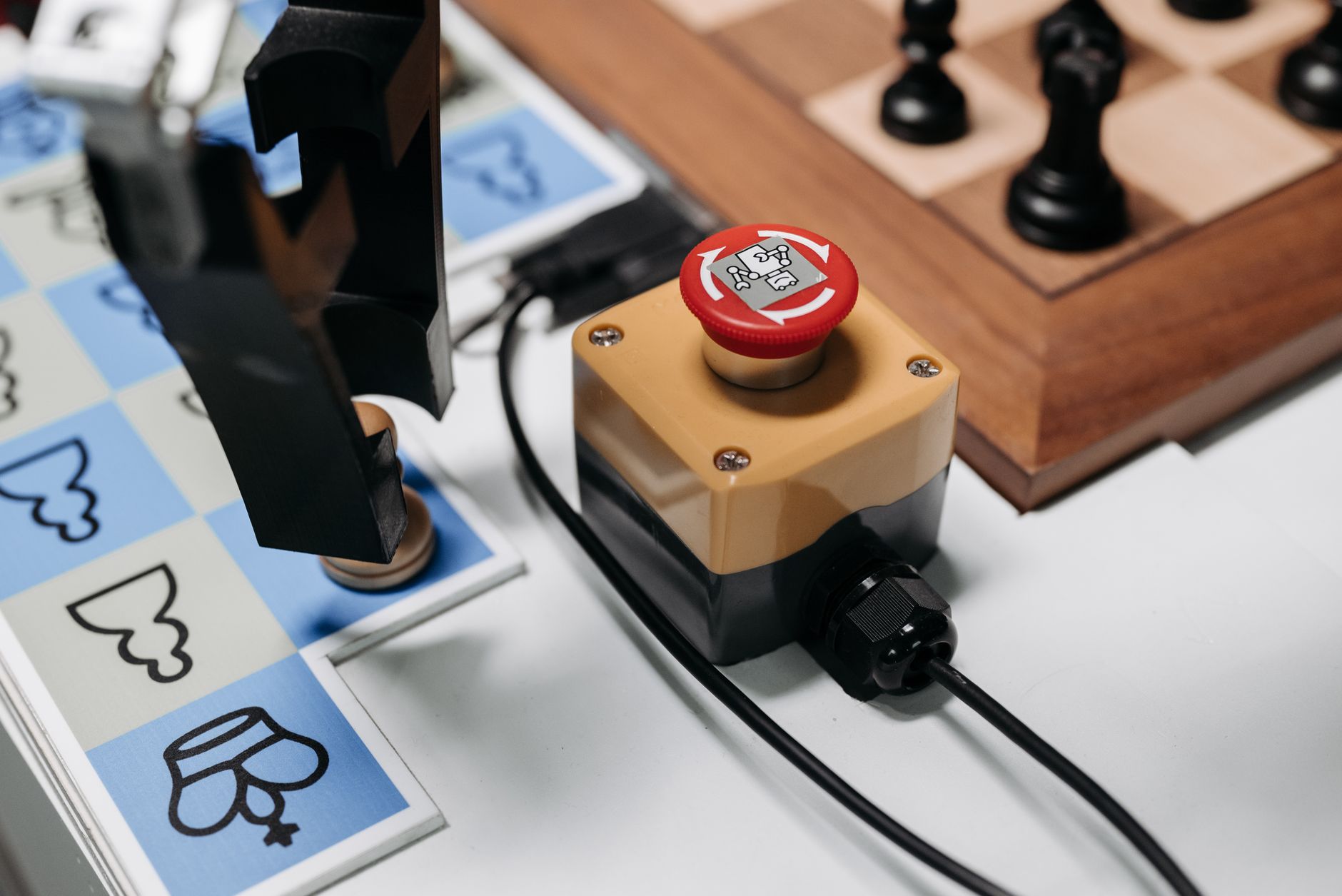
Robot control is a crucial aspect of modern robotics, and one entrepreneur is working to make it smoother. Jean-Baptiste Kempf, a French serial entrepreneur and open-source legend, has been building Kyber, an infrastructure layer to control remote devices in real time. This technology has the potential to revolutionize the way we interact with robots and other devices.
Kyber is designed to provide a seamless and efficient way to manage and control remote devices, which is essential for many industries, including manufacturing, healthcare, and transportation. With Kyber, devices can be controlled and monitored in real-time, allowing for faster and more accurate decision-making.
What is Robot Control?
Robot control refers to the ability to manage and direct the actions of robots and other devices. This can include tasks such as navigation, manipulation, and communication. Effective robot control is critical for many applications, including industrial automation, service robotics, and autonomous vehicles.
Traditionally, robot control has been limited by the need for physical connections and manual programming. However, with the advent of advanced technologies such as cloud computing, internet of things (IoT), and artificial-free solutions, it is now possible to control robots and devices remotely and in real-time.
Benefits of Real-Time Robot Control
The benefits of real-time robot control are numerous. Some of the most significant advantages include:
- Increased efficiency and productivity
- Improved accuracy and precision
- Enhanced safety and security
- Reduced costs and maintenance
- Increased flexibility and scalability
These benefits are driving the adoption of real-time robot control in a wide range of industries and applications. As the technology continues to evolve, we can expect to see even more innovative and effective solutions for managing and controlling robots and devices.
Challenges and Limitations
While real-time robot control offers many benefits, there are also challenges and limitations to consider. Some of the most significant include:
Security and privacy concerns, as remote devices can be vulnerable to hacking and data breaches. Technical issues, such as latency and connectivity problems, can also impact the effectiveness of real-time control. Additionally, the complexity of the technology can make it difficult to implement and manage, particularly for those without extensive technical expertise.
Future of Robot Control
Despite the challenges and limitations, the future of robot control looks bright. As the technology continues to evolve and improve, we can expect to see even more innovative and effective solutions for managing and controlling robots and devices. Some potential developments to watch include the integration of advanced technologies such as machine learning and computer vision, as well as the expansion of real-time control into new industries and applications.
Conclusion
In conclusion, robot control is a critical aspect of modern robotics, and real-time infrastructure is changing the game. With the potential to revolutionize industries and applications, it is an exciting time for those involved in the development and implementation of this technology. As we look to the future, it will be interesting to see how robot control continues to evolve and improve, and what new innovations and applications will emerge as a result.
Source: techcrunch.com.






Be First to Comment