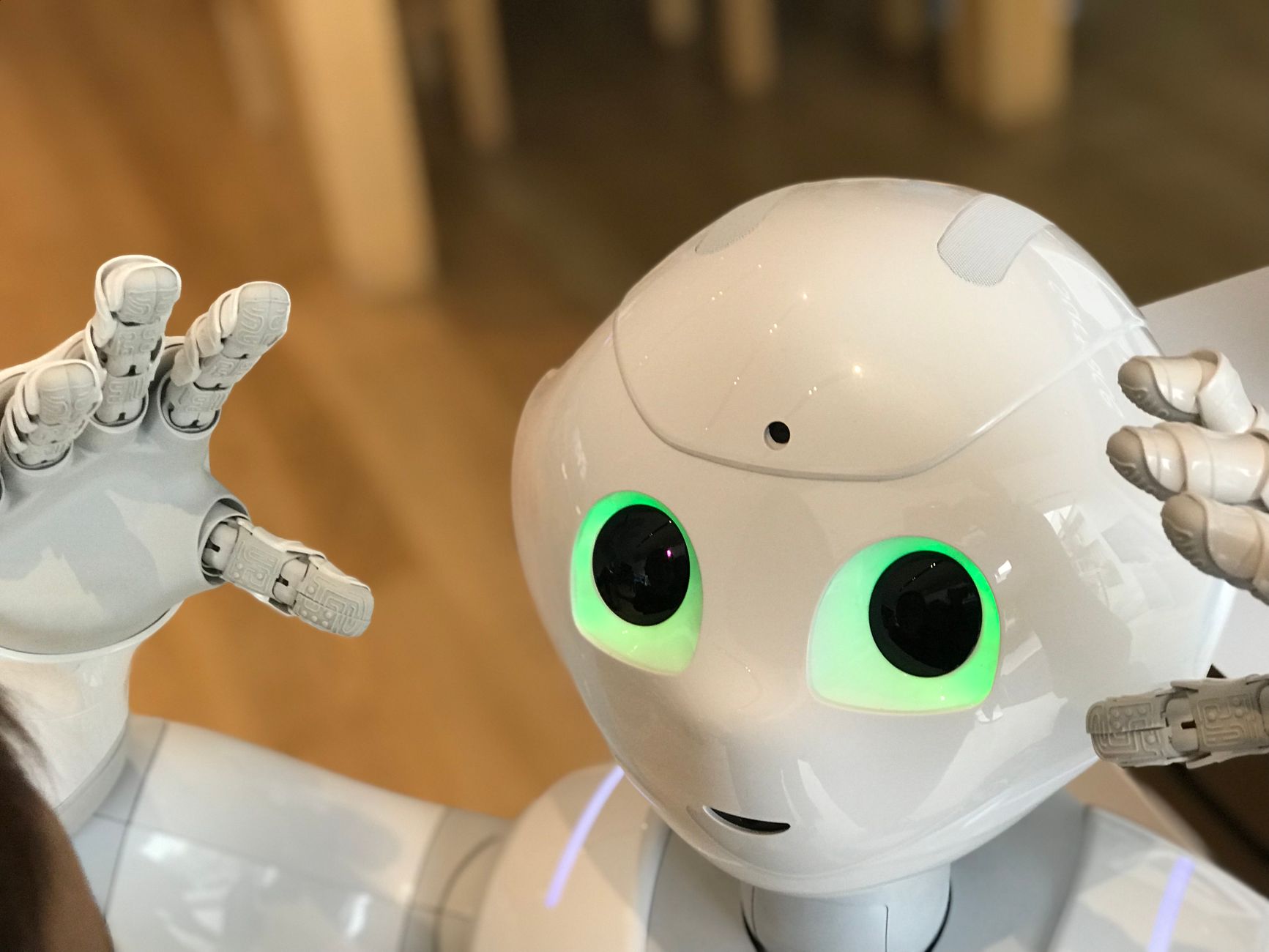
Robot training has reached new heights with the introduction of autonomous coding agents. These agents can direct robot training without human intervention, allowing for more efficient and effective learning. The use of AI in robot training is a significant breakthrough, enabling robots to learn complex tasks such as cutting zip ties and inserting GPUs into motherboards.
The ENPIRE framework, developed by researchers at NVIDIA and collaborators from Carnegie Mellon University and the University of California, Berkeley, has made this possible. This software wraps around AI models, providing capabilities such as memory, context, constraint, and feedback loops, enabling the agents to use various tools and learn from their experiences.
Robot Training with Autonomous Coding Agents
The potential of robot training with autonomous coding agents is vast. With the ability to learn complex tasks, robots can be used in a variety of applications, from manufacturing to healthcare. The use of AI in robot training also enables robots to learn from their mistakes, improving their performance over time.
The ENPIRE framework has been tested in a lab setting, where it has shown promising results. The agents were able to teach robots to perform tasks such as cutting zip ties and inserting GPUs into motherboards, demonstrating the potential of autonomous coding agents in robot training.
Benefits of Autonomous Robot Training
The benefits of autonomous robot training are numerous. With the ability to learn complex tasks, robots can be used in a variety of applications, improving efficiency and productivity. The use of AI in robot training also enables robots to learn from their mistakes, reducing the need for human intervention and improving overall performance.
- Improved efficiency and productivity
- Reduced need for human intervention
- Increased accuracy and precision
- Enhanced learning capabilities
The use of autonomous coding agents in robot training is a significant breakthrough, with the potential to revolutionize the field of robotics. As research and development continue, we can expect to see even more innovative applications of autonomous coding agents in robot training.
Implications and Future Directions
The implications of autonomous robot training are far-reaching. With the ability to learn complex tasks, robots can be used in a variety of applications, from manufacturing to healthcare. The use of AI in robot training also enables robots to learn from their mistakes, improving their performance over time.
As research and development continue, we can expect to see even more innovative applications of autonomous coding agents in robot training. The potential for autonomous robot training to improve efficiency, productivity, and accuracy is vast, and it will be exciting to see how this technology evolves in the future.
Conclusion
In conclusion, the use of autonomous coding agents in robot training is a significant breakthrough, with the potential to revolutionize the field of robotics. With the ability to learn complex tasks, robots can be used in a variety of applications, improving efficiency and productivity. As research and development continue, we can expect to see even more innovative applications of autonomous coding agents in robot training, shaping the future of robotics and beyond.
Source: arstechnica.com.






Be First to Comment