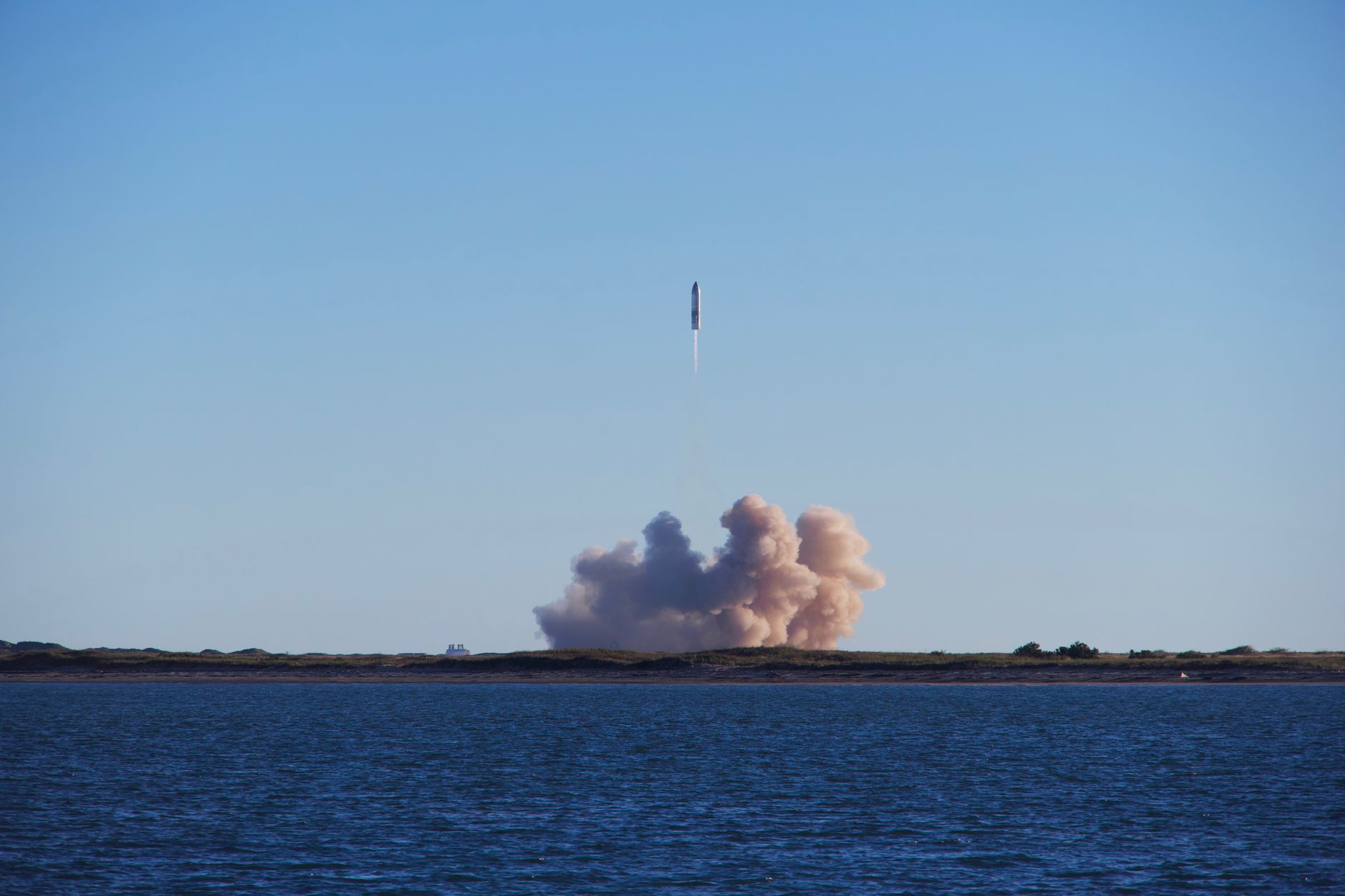
Welcome to the latest developments in the space industry, where rocket lab is making headlines with its recent launches. Rocket lab, a leading player in the space technology sector, has been gaining attention for its innovative approaches to space exploration. The company has now very nearly reached the midpoint of 2026, a year in which several new US rockets were advertised as potentially making their debuts.
But now, we have to wonder whether any of them—Rocket Lab’s Neutron, Stoke Space’s Nova, Relativity Space’s Terran R, and Astra’s Rocket 4—will make it. I’d probably put the over/under at something like 0.5 of these launching. As always, we welcome reader submissions, and if you don’t want to miss an issue, please subscribe using the box below.
rocket lab executes rapid response mission
Last Friday Rocket Lab launched the Victus Haze mission just 16 hours and 42 minutes after receiving the US Space Force’s Notice to Launch, beating the previous record by more than 10 hours, the company said. The launch was scarcely announced in advance, with the only public indication of an impending launch being the release of a warning for pilots and sailors to steer clear of the rocket’s flight path.
Rocket Lab did not provide a livestream of the launch, as it does for most of its missions. This recent development has sparked interest in the space community, with many experts analyzing the implications of such a rapid response mission. The ability to launch a rocket in such a short timeframe can have significant benefits for various applications, including military operations and disaster response.
background and context
To understand the significance of Rocket Lab’s achievement, it’s essential to consider the background and context of the space industry. The development of reusable rockets has been a major focus for many companies, including SpaceX and Blue Origin. However, the ability to launch a rocket in a short timeframe is a unique challenge that requires careful planning and execution.
The space industry has been evolving rapidly in recent years, with new players entering the market and innovative technologies being developed. The use of small satellites, for example, has become increasingly popular, with many companies launching constellations of satellites to provide various services such as communication and navigation.
implications and questions to watch
The implications of Rocket Lab’s rapid response mission are significant, and there are many questions to watch in the coming months. One of the key questions is how this technology will be used in the future. Will it be limited to military applications, or will it be used for other purposes such as disaster response or scientific research?
Another question to watch is how other companies will respond to Rocket Lab’s achievement. Will we see other companies developing similar technologies, or will Rocket Lab maintain its lead in this area? The answer to these questions will depend on various factors, including the development of new technologies and the demand for rapid response missions.
- What are the potential applications of rapid response missions?
- How will the development of reusable rockets impact the space industry?
- What are the challenges and limitations of launching a rocket in a short timeframe?
conclusion
In conclusion, Rocket Lab’s recent achievement is a significant development in the space industry. The ability to launch a rocket in a short timeframe has the potential to revolutionize various applications, including military operations and disaster response. As the space industry continues to evolve, it will be interesting to watch how Rocket Lab’s technology is used and how other companies respond to this development.
Source: arstechnica.com.






Be First to Comment