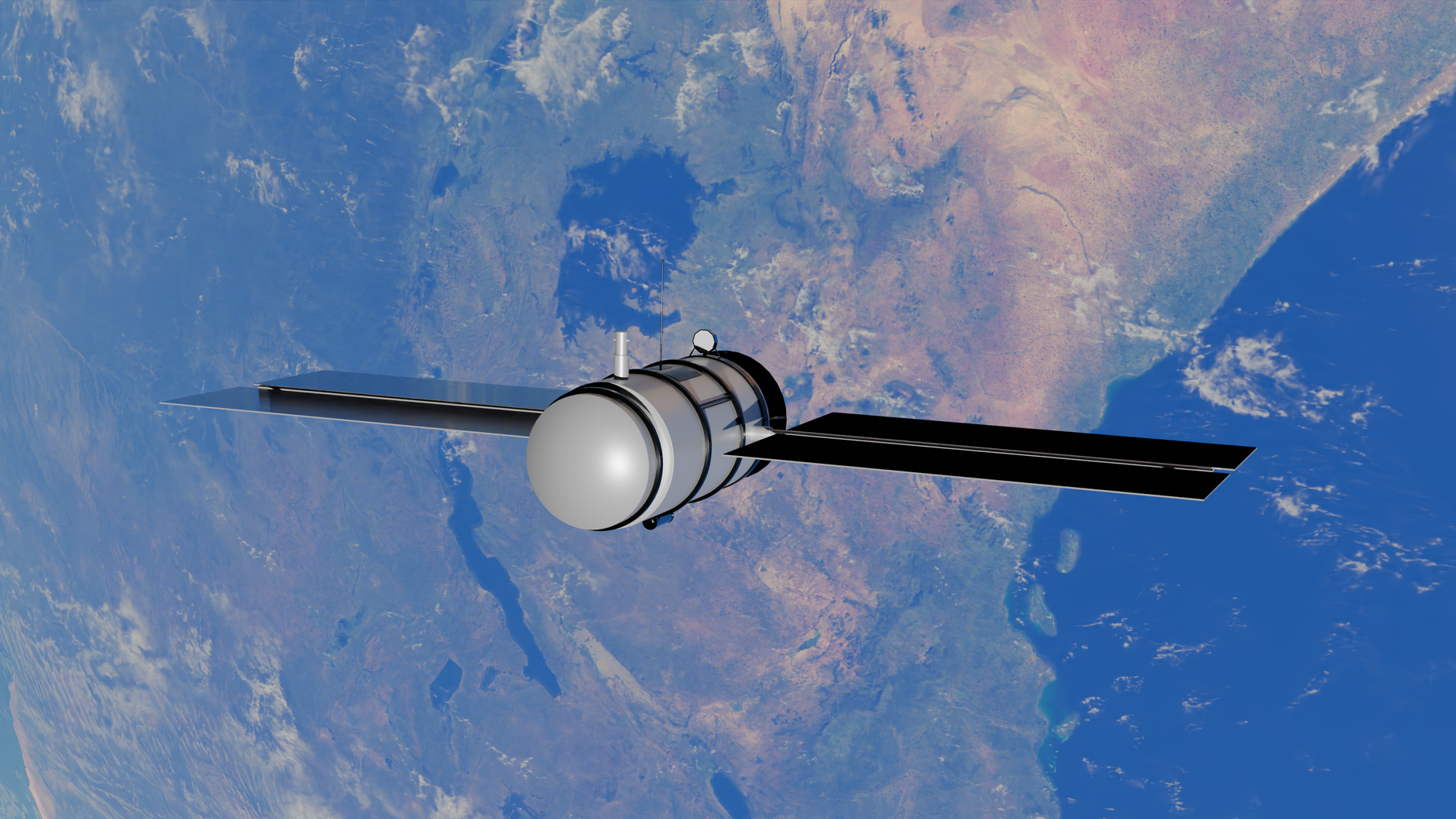
A satellite rescue mission is underway to save a $500 million astronomy mission at risk of crashing back to Earth. The mission, led by NASA, aims to build and launch a satellite to rescue the Swift astronomy mission in record time. The satellite rescue mission is a bold endeavor that requires innovative solutions and precise execution.
The idea for the mission was born just 10 months ago, when NASA asked three companies to propose a solution to save the Swift mission. Katalyst Space Technologies, a startup founded in 2020, presented the most compelling solution and was awarded a $30 million contract to build, test, and launch a small satellite to chase down Swift and latch onto it with three robotic arms.
Satellite Rescue Mission Overview
The satellite rescue mission is a complex operation that requires careful planning and execution. The mission involves launching a small satellite, called Link, which will chase down Swift and attach to it using three robotic arms. Once attached, the Link satellite will boost Swift’s orbit back to a safe operating altitude, allowing it to resume scientific observations.
The mission is not without its challenges. The Link satellite must be designed and built in record time, and the launch window is narrow. Additionally, the robotic arms must be able to latch onto Swift securely, and the boost maneuver must be precise to ensure Swift’s safe return to orbit.
Technical Challenges
The technical challenges of the satellite rescue mission are significant. The Link satellite must be designed to withstand the harsh conditions of space and to operate reliably in a high-stress environment. The robotic arms must be able to grasp and hold onto Swift securely, and the boost maneuver must be executed with precision.
- Designing and building a satellite in record time
- Launching the satellite within a narrow window
- Attaching to Swift using robotic arms
- Boosting Swift’s orbit back to a safe altitude
Despite the challenges, the satellite rescue mission is an exciting opportunity for innovation and advancement in space technology. The mission has the potential to demonstrate new capabilities and to pave the way for future satellite rescue missions.
Implications and Questions to Watch
The success of the satellite rescue mission has significant implications for the future of space exploration. If the mission is successful, it will demonstrate the feasibility of satellite rescue and will pave the way for future missions. However, if the mission fails, it will highlight the challenges and risks associated with satellite rescue and will raise questions about the viability of such missions.
Some questions to watch include: What are the long-term implications of the satellite rescue mission? How will the success or failure of the mission impact the development of future satellite rescue technologies? What are the potential risks and challenges associated with satellite rescue, and how can they be mitigated?
Conclusion
The satellite rescue mission is a bold and innovative endeavor that has the potential to demonstrate new capabilities and to pave the way for future satellite rescue missions. While the mission is not without its challenges, it is an exciting opportunity for advancement in space technology and a testament to the power of human ingenuity and determination.
Source: arstechnica.com.






Be First to Comment