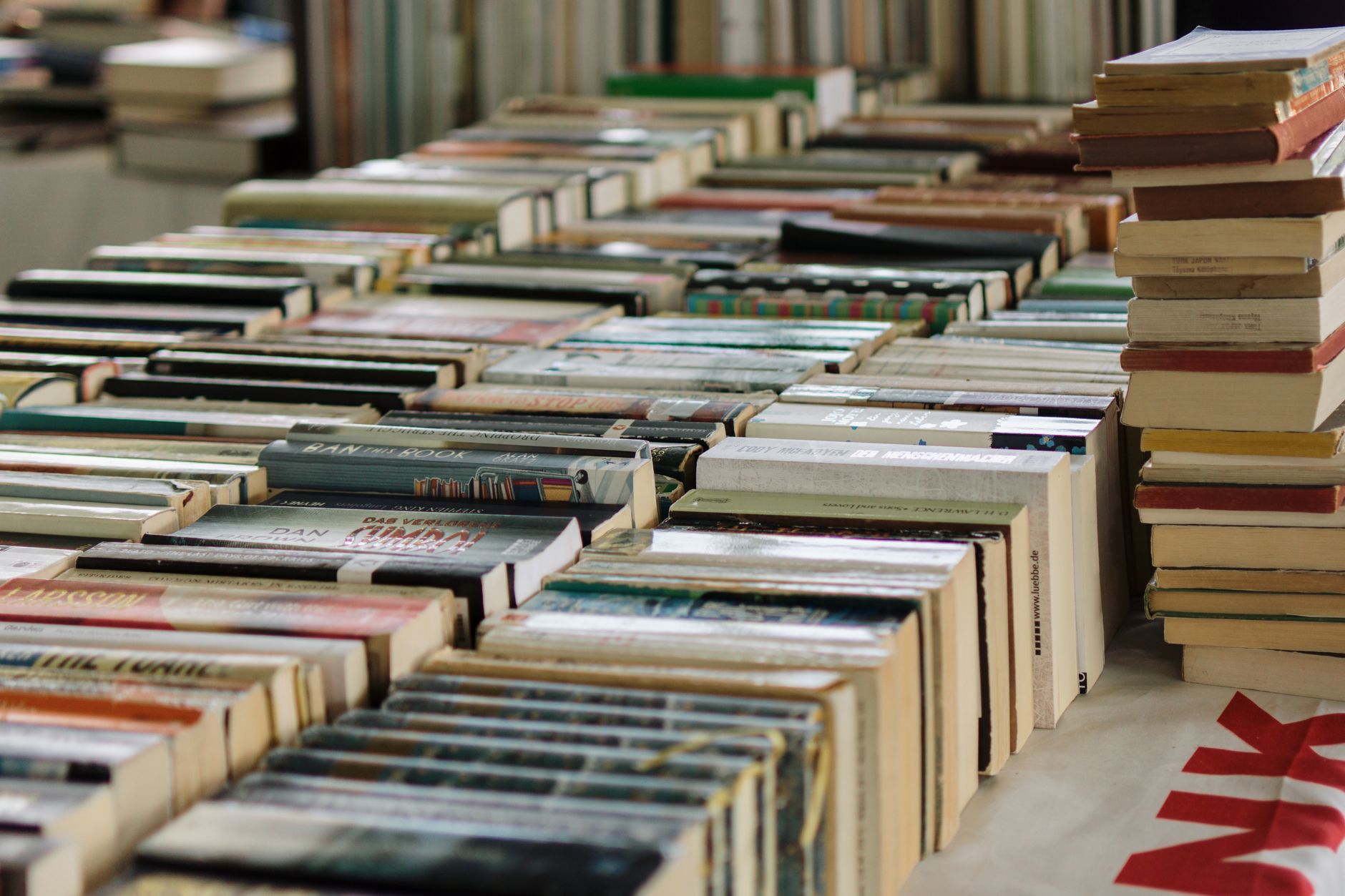
Secondhand book sales are experiencing a significant surge, with booksellers reporting mysterious bulk orders. It is thought that these books are being used to train artificial intelligence models, only to end up being pulped. This trend has sparked concerns about the future of the publishing industry and the role of secondhand book sales within it.
The rise of secondhand book sales can be attributed to several factors, including the growing demand for sustainable and affordable reading options. As consumers become more environmentally conscious, they are seeking out alternatives to buying new books, which often come with a hefty carbon footprint.
Secondhand Book Sales and the Environment
The environmental benefits of secondhand book sales are undeniable. By choosing to buy secondhand, consumers can reduce their carbon footprint and support a more sustainable publishing industry. Additionally, secondhand book sales also help to reduce waste and support local communities.
However, the recent surge in bulk orders has raised concerns about the true intentions behind these purchases. Many booksellers have reported receiving large orders for specific titles, only to have the books returned or pulped shortly after. This has led to speculation that these books are being used to train artificial intelligence models, which require large amounts of data to function effectively.
The Role of Artificial Intelligence in Secondhand Book Sales
Artificial intelligence is playing an increasingly important role in the publishing industry, with many companies using AI models to analyze market trends and predict consumer behavior. However, the use of secondhand books to train these models has raised concerns about the potential impact on the publishing industry.
Some experts have warned that the use of secondhand books to train AI models could lead to a decline in the demand for new books, which could have serious consequences for authors and publishers. Others have argued that the use of secondhand books could actually help to support the publishing industry by providing a new revenue stream for booksellers.
Implications and Questions to Watch
The implications of the surge in secondhand book sales are complex and multifaceted. As the publishing industry continues to evolve, it is likely that we will see new and innovative ways for secondhand book sales to support authors, publishers, and booksellers. Some key questions to watch include:
- Will the demand for secondhand books continue to grow, and if so, what impact will this have on the publishing industry?
- How will the use of artificial intelligence models affect the demand for new books, and what implications will this have for authors and publishers?
- What role will secondhand book sales play in supporting sustainable and environmentally friendly practices in the publishing industry?
Conclusion
In conclusion, the surge in secondhand book sales is a complex and multifaceted trend that has significant implications for the publishing industry. As consumers continue to seek out sustainable and affordable reading options, it is likely that secondhand book sales will play an increasingly important role in supporting the industry. However, the use of secondhand books to train artificial intelligence models raises important questions about the potential impact on authors, publishers, and booksellers, and it is essential that we continue to monitor and analyze this trend in the coming years.
Source: bbc.co.uk.






Be First to Comment