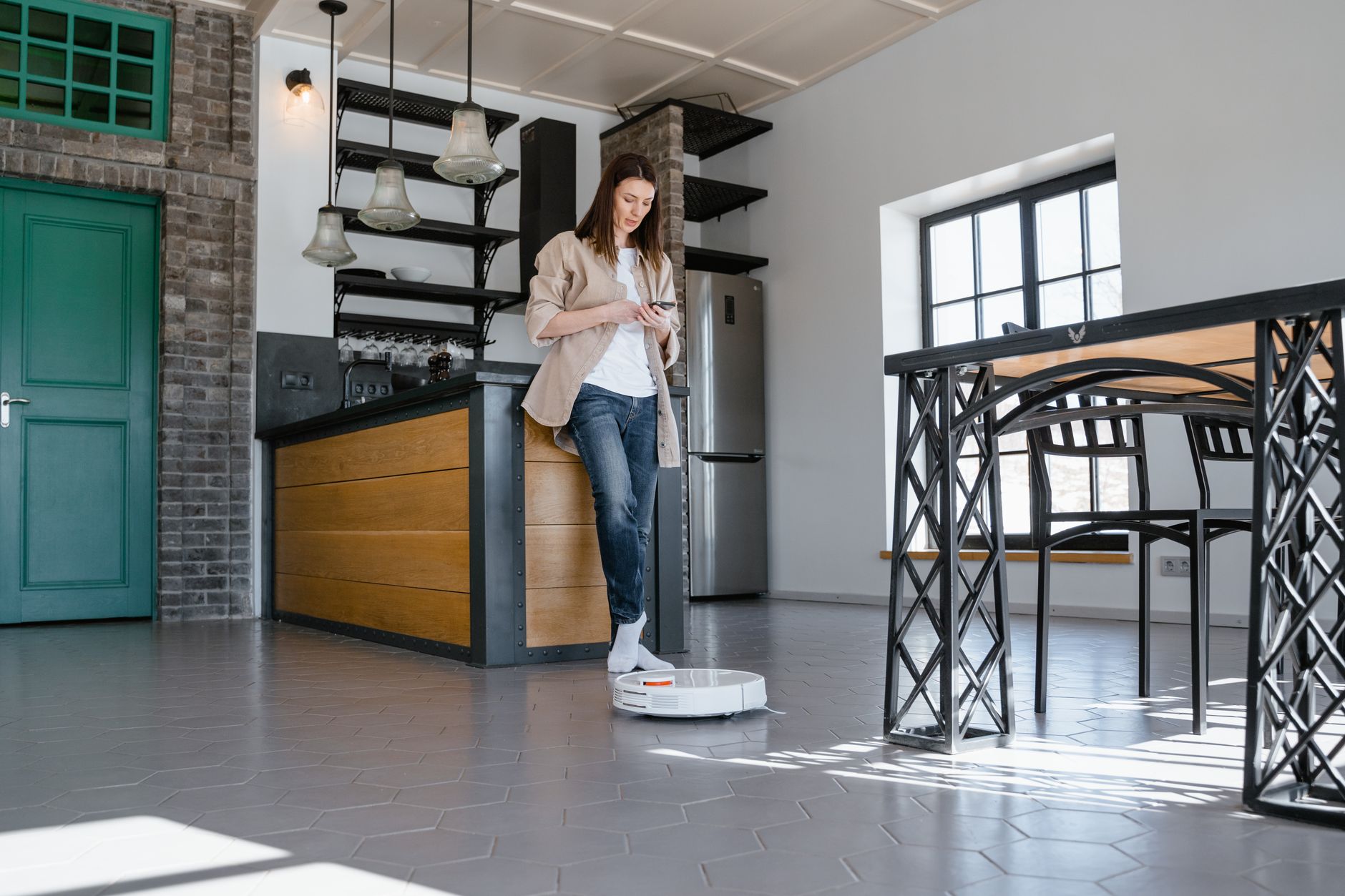
Smart appliances, such as fridges, washing machines, and dishwashers, are no exception to the rule that our devices are constantly collecting data. The concept of smart appliances has been around for several years, with companies like Samsung and LG leading the charge. However, the issue of data transmission has become a growing concern, with many users wondering what information is being collected and how it is being used.
The idea of smart appliances is to make our lives easier, allowing us to control and monitor our devices remotely. However, this convenience comes at a cost, as our personal data is being transmitted and stored by companies. The question is, what do these companies do with our data, and how can we protect ourselves?
Understanding Smart Appliances and Data Transmission
Smart appliances use a variety of methods to collect and transmit data, including Wi-Fi, Bluetooth, and cellular connections. This data can include information about our usage habits, such as how often we use our appliances and at what times of the day. It can also include more personal information, such as our location and device IDs.
Companies use this data to improve their products and services, as well as to target us with advertisements. However, this raises concerns about privacy and security, as our personal data can be vulnerable to hacking and exploitation.
The Impact of Smart Appliances on Our Lives
The impact of smart appliances on our lives is significant, with both positive and negative effects. On the one hand, smart appliances can make our lives easier and more convenient, allowing us to control and monitor our devices remotely. They can also help us save energy and reduce our environmental impact.
On the other hand, the collection and transmission of our personal data can be a concern, as it can be used to target us with advertisements and potentially exploited by hackers. Additionally, the reliance on smart appliances can make us vulnerable to technological failures and cyber attacks.
What Can We Do to Protect Ourselves?
There are several steps we can take to protect ourselves from the potential risks associated with smart appliances. These include:
- Reading the terms and conditions of our smart appliances carefully, to understand what data is being collected and how it is being used
- Using strong passwords and keeping our devices and software up to date, to prevent hacking and exploitation
- Being cautious when using public Wi-Fi networks, as they can be vulnerable to hacking and exploitation
- Considering the use of virtual private networks (VPNs), to protect our data when using public Wi-Fi networks
By taking these steps, we can help to protect ourselves from the potential risks associated with smart appliances, while still enjoying the benefits they provide.
Conclusion and Future Directions
In conclusion, smart appliances are a growing concern, with many users wondering what information is being collected and how it is being used. While smart appliances can make our lives easier and more convenient, the collection and transmission of our personal data can be a concern. By understanding the risks and taking steps to protect ourselves, we can enjoy the benefits of smart appliances while minimizing the risks.
Source: engadget.com.






Be First to Comment