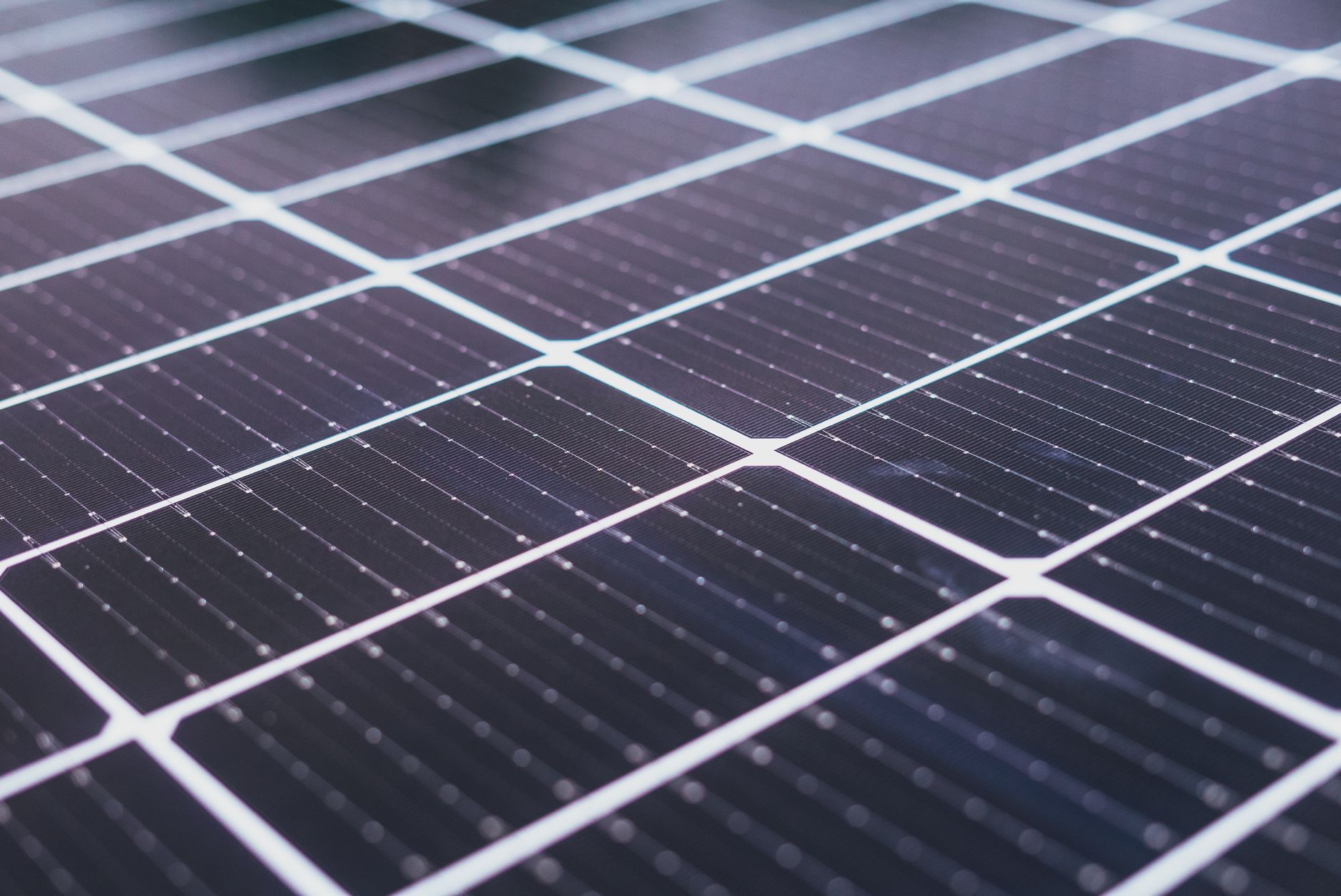
Solar cell efficiency has long been a key area of focus for companies and researchers looking to improve the performance of solar panels. The latest breakthrough comes from Chinese company LONGi, which has developed crystalline silicon-perovskite tandem solar cells with a 35.5 percent conversion efficiency. This significant milestone has major implications for the renewable energy sector, as it could lead to more efficient and cost-effective solar panels.
The development of more efficient solar cells is crucial for the widespread adoption of solar energy. As the world continues to transition towards renewable energy sources, the need for improved solar cell efficiency has become increasingly important. With the current level of technology, solar panels are able to convert a significant amount of sunlight into electricity, but there is still room for improvement.
Solar Cell Efficiency: The Key to Unlocking Renewable Energy
Solar cell efficiency refers to the ability of a solar panel to convert sunlight into electricity. The higher the efficiency, the more electricity a solar panel can produce from a given amount of sunlight. This is particularly important for areas with limited sunlight, as it allows for more efficient use of available resources. The latest breakthrough from LONGi has the potential to significantly improve the efficiency of solar panels, making them a more viable option for a wider range of applications.
One of the major challenges in achieving high solar cell efficiency is the inherent limitations of traditional silicon-based solar cells. While silicon is a highly effective material for converting sunlight into electricity, it has a theoretical maximum efficiency of around 33.7 percent. To overcome this limitation, researchers have been exploring alternative materials and technologies, such as perovskite solar cells.
Perovskite Solar Cells: The Future of Solar Energy
Perovskite solar cells have emerged as a promising alternative to traditional silicon-based solar cells. These cells use a unique crystal structure that allows for more efficient conversion of sunlight into electricity. The use of perovskite solar cells has been shown to significantly improve the efficiency of solar panels, with some studies demonstrating efficiencies of over 23 percent. The latest breakthrough from LONGi combines the benefits of crystalline silicon and perovskite solar cells, resulting in a highly efficient tandem solar cell.
The development of more efficient solar cells has major implications for the environment. As the world continues to rely on fossil fuels, the need for renewable energy sources has become increasingly important. Solar energy is a key component of this transition, and the latest breakthrough from LONGi has the potential to significantly improve the efficiency and cost-effectiveness of solar panels.
Benefits of Improved Solar Cell Efficiency
- Increased energy production: More efficient solar cells can produce more electricity from a given amount of sunlight, making them a more viable option for a wider range of applications.
- Reduced costs: Improved solar cell efficiency can lead to reduced costs for solar panels, making them more accessible to a wider range of consumers.
- Environmental benefits: The development of more efficient solar cells has major implications for the environment, as it can lead to reduced greenhouse gas emissions and a more sustainable energy future.
The latest breakthrough from LONGi is a significant milestone for the renewable energy sector, and it has the potential to drive major changes in the way we think about solar energy. As the world continues to transition towards renewable energy sources, the need for improved solar cell efficiency will only continue to grow.
Conclusion: The Future of Solar Cell Efficiency
The development of more efficient solar cells is a crucial step towards a more sustainable energy future. The latest breakthrough from LONGi has the potential to significantly improve the efficiency and cost-effectiveness of solar panels, making them a more viable option for a wider range of applications. As researchers continue to explore new materials and technologies, it is likely that we will see even more significant breakthroughs in the years to come. The future of solar cell efficiency is bright, and it has the potential to play a major role in shaping the energy landscape of the future.
Source: engadget.com.






Be First to Comment