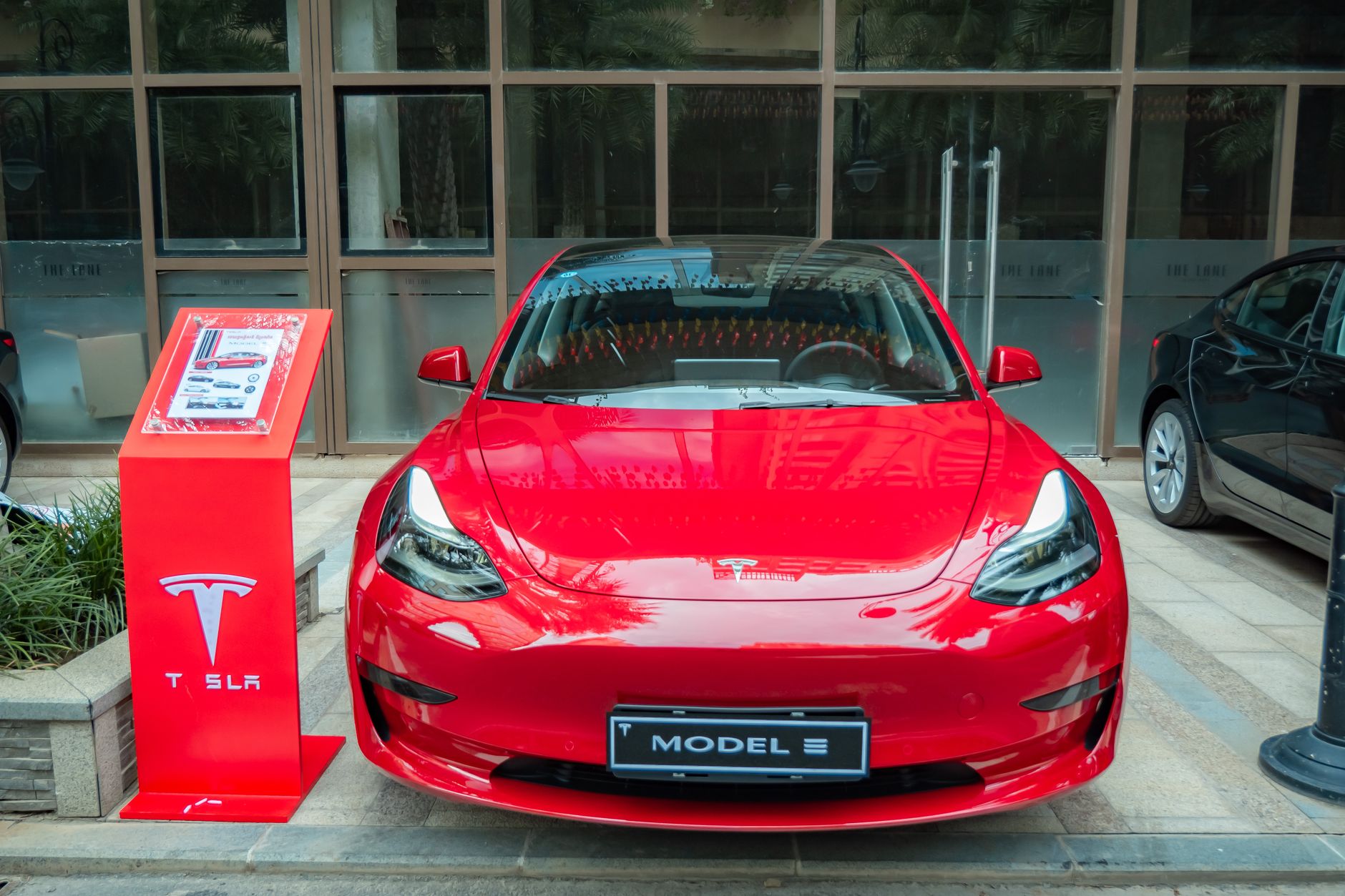
Tesla’s Full-Self Driving system, or tesla fsd, has been under intense scrutiny in recent months, and a recent incident in Texas has brought the technology back into the spotlight. A Tesla driver is facing manslaughter charges after a crash that killed a woman inside her home, with the driver claiming to have been using the tesla fsd system at the time of the incident.
The crash has raised serious concerns over the safety and reliability of autonomous driving systems, and has sparked a wider debate about the role of technology in our daily lives. As the investigation into the incident continues, many are left wondering what the future holds for tesla fsd and other similar systems.
Tesla FSD: A Brief History
Tesla’s Full-Self Driving system was first introduced in 2015, with the goal of creating a fully autonomous vehicle that could navigate roads without human intervention. The system uses a combination of sensors, cameras, and mapping data to navigate roads and make decisions in real-time.
Despite the promise of tesla fsd, the technology has been plagued by controversy and criticism. Many have raised concerns over the safety and reliability of the system, citing incidents such as the one in Texas as evidence of its limitations.
Implications of the Incident
The incident in Texas has significant implications for the future of tesla fsd and other autonomous driving systems. If the driver is found to have been using the tesla fsd system at the time of the crash, it could raise serious questions about the liability of the manufacturer and the safety of the technology.
Furthermore, the incident highlights the need for greater transparency and regulation in the development and deployment of autonomous driving systems. As the technology continues to evolve, it is essential that manufacturers and regulators work together to ensure that safety and reliability are prioritized.
- Increased scrutiny of autonomous driving systems
- Greater transparency and regulation in the development and deployment of the technology
- Improved safety and reliability features in tesla fsd and other similar systems
Questions to Watch
As the investigation into the incident continues, there are several questions that remain to be answered. What role did the tesla fsd system play in the crash, and was the driver using the system as intended? What steps will Tesla and other manufacturers take to address concerns over the safety and reliability of autonomous driving systems?
Ultimately, the incident in Texas serves as a reminder of the complexities and challenges associated with the development and deployment of autonomous driving systems. As the technology continues to evolve, it is essential that we prioritize safety and reliability, and work towards creating a future where tesla fsd and other similar systems can be used safely and effectively.
Conclusion
In conclusion, the incident in Texas has brought the tesla fsd system back into the spotlight, raising serious concerns over the safety and reliability of autonomous driving systems. As the investigation continues and the debate over the future of tesla fsd unfolds, one thing is clear: the development and deployment of autonomous driving systems must prioritize safety and reliability above all else.
Source: theverge.com.





Be First to Comment