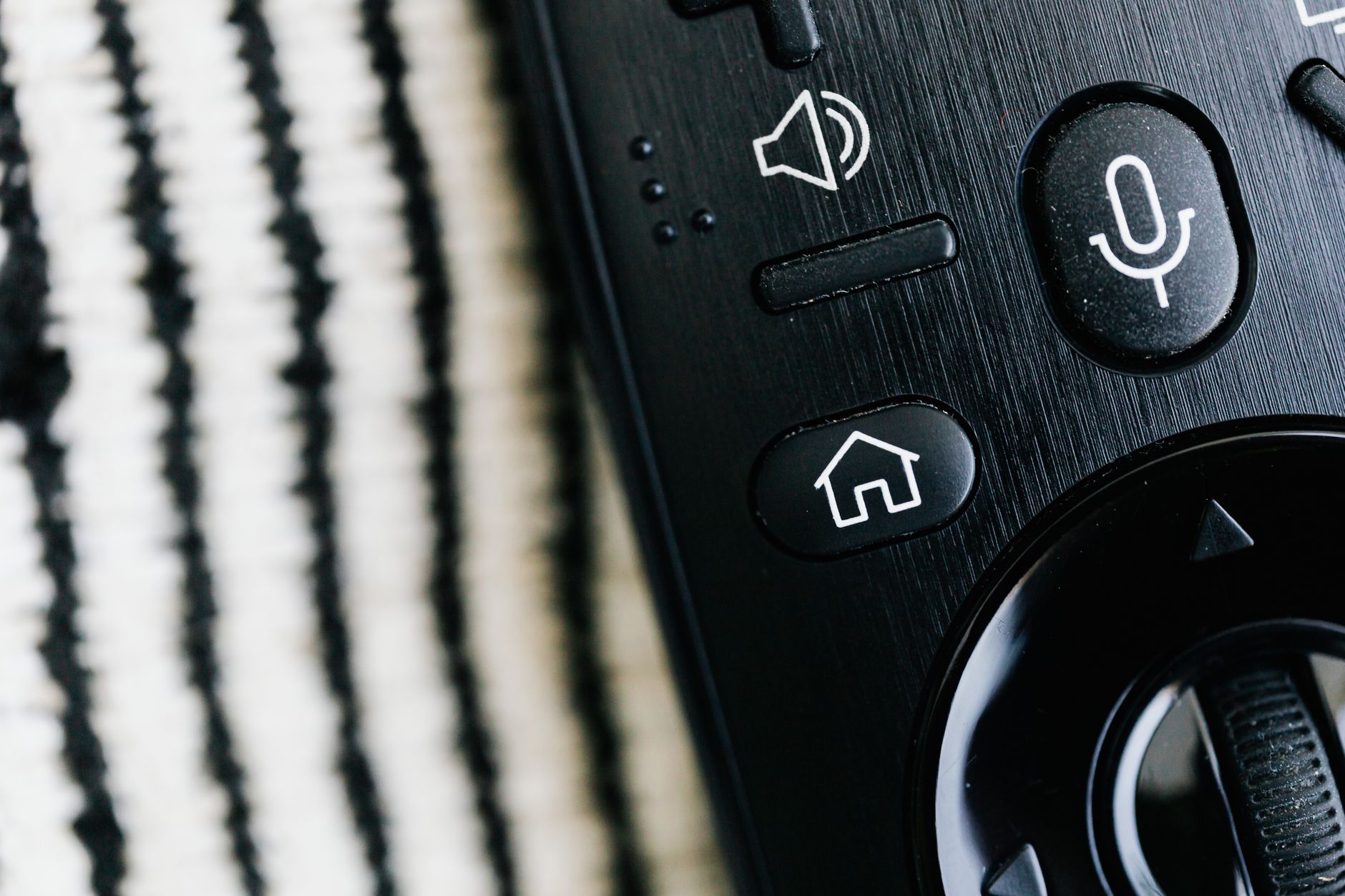
The idea of a universal remote control is simple yet alluring. Instead of having multiple remotes cluttering your coffee table, a single device can control all your gadgets. Many companies have attempted to create such a product, but one brand stood out from the rest: Harmony.
The Rise of Harmony
For years, Harmony was the gold standard of universal remotes. It was the go-to choice for anyone looking to simplify their home entertainment system. But what made Harmony so successful? The answer lies in its ability to seamlessly integrate with a wide range of devices, from TVs and soundbars to gaming consoles and streaming devices.
Harmony’s success can also be attributed to its user-friendly interface and customizable buttons. Users could easily program their remote to perform complex tasks, such as turning on their TV and soundbar with a single button press. This level of customization and ease of use made Harmony a favorite among consumers and critics alike.
The Challenges of Creating a Universal Remote
So, why did other companies struggle to create a universal remote that could rival Harmony? The answer lies in the complexity of the task. Creating a device that can control multiple gadgets from different manufacturers is a daunting challenge. Each device has its own unique protocol and set of commands, making it difficult to create a single device that can communicate with all of them.
Furthermore, the ever-evolving landscape of home entertainment technology poses a significant challenge. New devices and technologies are constantly being released, making it difficult for a universal remote to keep up. Harmony’s success was largely due to its ability to adapt to these changes and continuously update its software to support new devices.
The Story of Harmony’s Success and Struggles
On a recent episode of Version History, The Verge’s David Pierce, Nilay Patel, and John Higgins sat down with Matt Rogers, the CEO of Mill and former co-founder of Nest, to discuss the story of Harmony. The episode provides a fascinating look at the history of the company and the challenges it faced in creating a universal remote.
From its early days as a small startup to its eventual acquisition by Logitech, Harmony’s story is one of innovation and perseverance. The company’s commitment to creating a product that truly lived up to the promise of a universal remote is admirable, and its impact on the industry is still felt today.
What’s Next for Universal Remotes?
So, what does the future hold for universal remotes? As technology continues to evolve, it’s likely that we’ll see new innovations in the field. Perhaps the rise of voice control and smart home devices will lead to a new generation of universal remotes that can seamlessly integrate with these technologies.
- Will we see a new player emerge in the market, one that can create a universal remote that surpasses Harmony’s capabilities?
- How will the increasing complexity of home entertainment systems affect the development of universal remotes?
- What role will voice control and smart home devices play in the future of universal remotes?
These are just a few questions to consider as we look to the future of universal remotes. One thing is certain, however: the dream of a single device that can control all our gadgets is still alive and well, and companies will continue to strive for this goal in the years to come.
As we reflect on the story of Harmony, it’s clear that the company’s impact on the industry will be felt for years to come. Its commitment to innovation and customer satisfaction raised the bar for universal remotes, and its legacy will continue to inspire new generations of technologists and entrepreneurs.
Source: theverge.com.






Be First to Comment