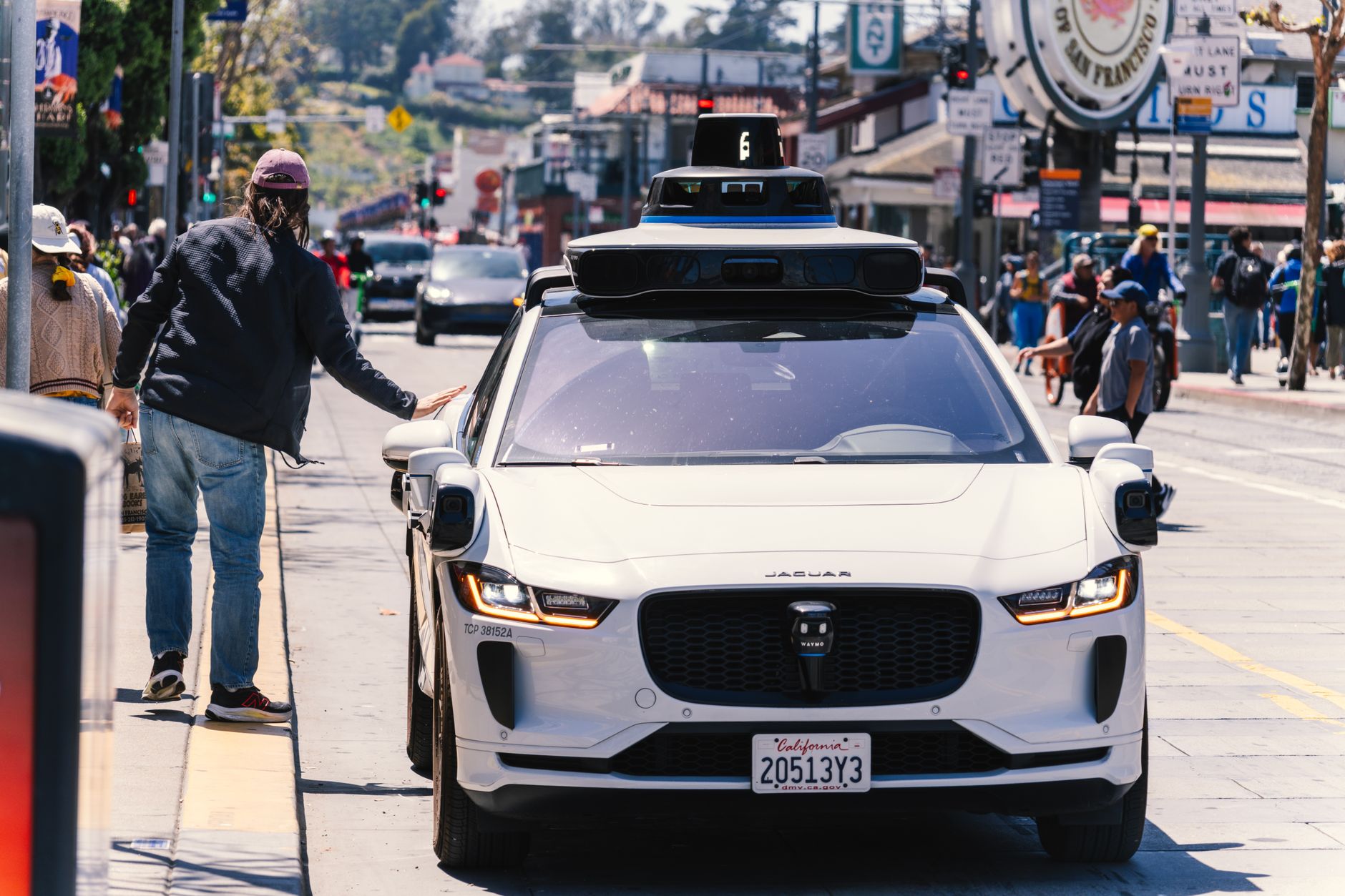
The waymo lawsuit has been making headlines in recent weeks, with a local judge ruling that Waymo can no longer use its side-by-side charging facilities overnight in Santa Monica, California. This decision comes after numerous noise complaints from city officials and neighbors, who claim that the constant stream of vehicles at the charging stations creates light and sound pollution and causes undue traffic congestion.
The city of Santa Monica has been battling Waymo over the issue, with the city’s officials asserting that the charging stations pose a public nuisance. The lawsuit, which was filed earlier this year, seeks to stop Waymo from operating its charging facilities overnight, citing the negative impact on the community.
Background on the Waymo Lawsuit
The waymo lawsuit is not the first time that the company has faced criticism over its operations. In recent years, Waymo has expanded its autonomous vehicle program, with a focus on developing self-driving cars that can operate safely and efficiently on public roads. However, the company’s efforts have been met with resistance from some members of the community, who are concerned about the potential risks and disruptions associated with autonomous vehicles.
One of the main issues at the heart of the waymo lawsuit is the question of noise pollution. The city of Santa Monica has noise ordinances in place that are designed to protect residents from excessive noise, and the city claims that Waymo’s charging stations are in violation of these ordinances. The city also claims that the charging stations are causing traffic congestion and disrupting the quality of life for nearby residents.
Implications of the Waymo Lawsuit
The waymo lawsuit has significant implications for the development of autonomous vehicles. If the court rules in favor of the city, it could set a precedent for other cities to take similar action against companies operating autonomous vehicle programs. This could have a chilling effect on the development of autonomous vehicles, as companies may be reluctant to invest in programs that are subject to stringent regulations and lawsuits.
On the other hand, if the court rules in favor of Waymo, it could pave the way for the expansion of autonomous vehicle programs in cities across the country. This could have a number of benefits, including improved safety, reduced traffic congestion, and increased mobility for people who are unable to drive themselves.
Key Issues in the Waymo Lawsuit
- Noise pollution: The city of Santa Monica claims that Waymo’s charging stations are causing excessive noise pollution, which is disrupting the quality of life for nearby residents.
- Traffic congestion: The city claims that the charging stations are causing traffic congestion, which is making it difficult for people to get around the city.
- Public nuisance: The city claims that the charging stations pose a public nuisance, which is defined as an activity that unreasonably interferes with the health, safety, or property rights of others.
- Regulation: The waymo lawsuit raises questions about the regulation of autonomous vehicles, and how cities should balance the benefits of these programs with the potential risks and disruptions.
- Precedent: The waymo lawsuit could set a precedent for other cities to take similar action against companies operating autonomous vehicle programs.
Conclusion
The waymo lawsuit is a complex and multifaceted issue, with significant implications for the development of autonomous vehicles. As the case moves forward, it will be important to watch for developments and consider the potential impact on the industry as a whole.
Source: arstechnica.com.






Be First to Comment