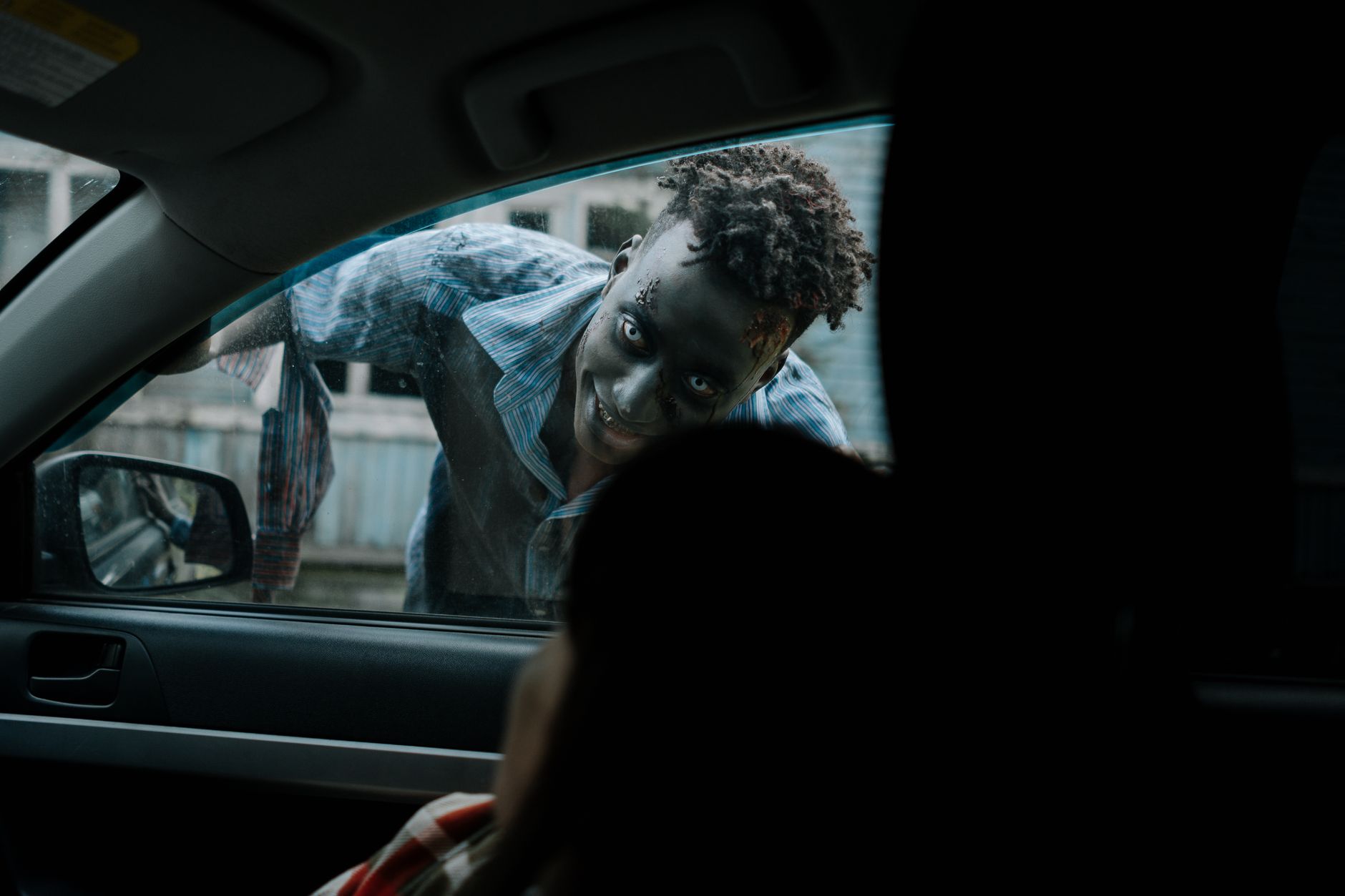
Neill Blomkamp’s latest project, a 13-minute sci-fi short titled Nightborne, has sparked interest in the film industry. The zombie ai film is loosely based on Peter Watts’ 2014 novel Echopraxia and features characters whose voices and faces are modeled after human actors. What’s notable about this film is that every single shot was made with ByteDance’s Seedance 2.0 text-to-video generator.
The use of generative ai technology in film production is a rapidly growing trend. With the ability to create high-quality visuals and characters, ai is changing the way films are made. Blomkamp’s new ai startup, Barley Studios, is at the forefront of this trend.
What is Generative AI?
Generative ai is a type of artificial intelligence that is capable of generating new content, such as images, videos, and music. In the context of film production, generative ai can be used to create characters, environments, and special effects. The technology is still in its early stages, but it has the potential to revolutionize the film industry.
Blomkamp’s use of Seedance 2.0 is a prime example of the capabilities of generative ai. The text-to-video generator allows users to create high-quality videos using only text prompts. This technology has the potential to democratize film production, making it possible for anyone to create high-quality films without the need for expensive equipment or specialized skills.
The Future of Film Production
The use of generative ai in film production is likely to have a significant impact on the industry. With the ability to create high-quality visuals and characters, ai is changing the way films are made. The technology is still in its early stages, but it has the potential to revolutionize the film industry.
Some of the potential benefits of using generative ai in film production include:
- Increased efficiency: Generative ai can automate many of the tasks involved in film production, such as character design and special effects.
- Cost savings: The use of generative ai can reduce the need for expensive equipment and specialized skills.
- Increased creativity: Generative ai can be used to create new and innovative visuals and characters that would be difficult or impossible to achieve with traditional methods.
However, there are also potential drawbacks to the use of generative ai in film production. For example, the technology is still in its early stages, and there are concerns about the potential for ai-generated content to be used for malicious purposes.
Conclusion
In conclusion, Neill Blomkamp’s new zombie ai film is a significant development in the use of generative ai in film production. The film’s use of Seedance 2.0 is a prime example of the capabilities of generative ai, and it has the potential to revolutionize the film industry. As the technology continues to evolve, it will be interesting to see how it is used in future film productions.
What’s Next for Zombie AI Film?
As the use of generative ai in film production continues to grow, it will be interesting to see how the technology is used in future zombie ai films. Will we see a new wave of ai-generated horror films, or will the technology be used to create new and innovative genres? Only time will tell, but one thing is certain: the use of generative ai in film production is here to stay.
Source: theverge.com.





Be First to Comment