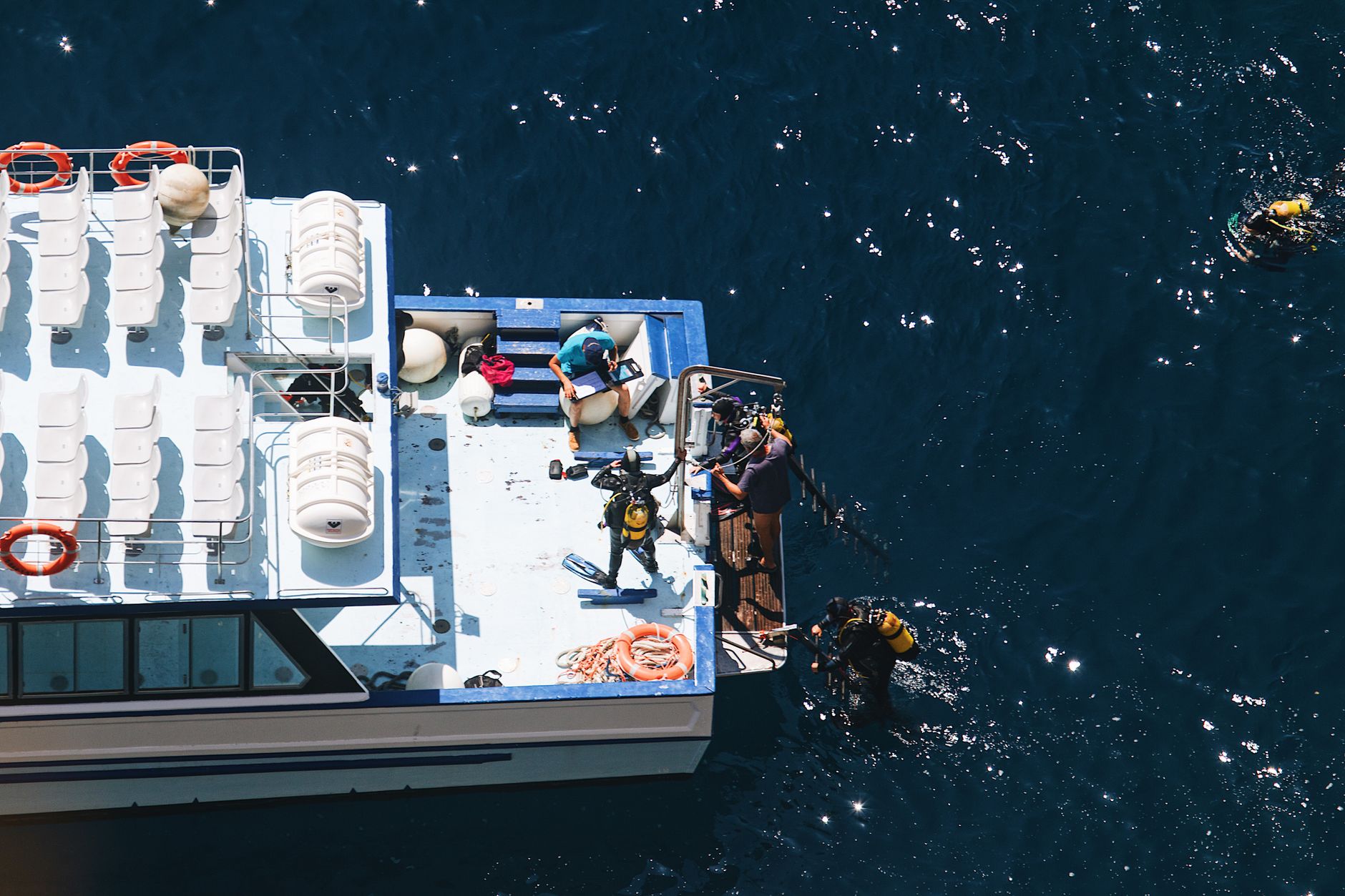
The zuckerberg yacht, named Launchpad, was recently involved in a dramatic rescue incident in Alaskan waters. According to tracking data, the Launchpad was the closest vessel to a small skiff that had run out of fuel near Farragut Bay. However, despite being in a position to provide assistance, the Launchpad reportedly refused to respond to distress calls.
This decision has sparked controversy and raised questions about the responsibility of those in a position to help others in need. The incident has also highlighted the importance of having protocols in place for responding to emergency situations at sea.
Background on the Incident
The stranded skiff was eventually rescued by the Alaskan cruise ship Wilderness Legacy. However, the fact that the Launchpad was closer to the vessel in trouble has led to criticism of Mark Zuckerberg’s yacht and its crew. The incident has also sparked a wider debate about the role of luxury yachts in responding to emergency situations at sea.
There are many factors to consider when evaluating the response of the Launchpad and its crew. These include the safety of those on board the yacht, as well as the potential risks and challenges involved in responding to a distress call.
Implications of the Incident
The incident involving the Launchpad has significant implications for the maritime industry and for those who own and operate luxury yachts. It highlights the need for clear protocols and guidelines for responding to emergency situations at sea, as well as the importance of taking responsibility for one’s actions.
Some of the key questions to consider in the aftermath of this incident include:
- What are the legal and moral obligations of those in a position to provide assistance at sea?
- How can luxury yachts and other vessels be held accountable for their actions in emergency situations?
- What role can technology play in improving response times and outcomes in maritime emergencies?
Conclusion and Next Steps
The incident involving the Launchpad is a complex and multifaceted issue, with many different factors and perspectives to consider. As the maritime industry continues to evolve and grow, it will be important to prioritize safety, responsibility, and accountability. By doing so, we can work towards creating a more compassionate and responsive community at sea.
Future of Maritime Rescue
The future of maritime rescue will depend on the ability of vessels and their crews to respond quickly and effectively in emergency situations. This will require a combination of advanced technology, clear protocols, and a commitment to taking responsibility for one’s actions. As we move forward, it will be important to consider the lessons learned from incidents like the one involving the Launchpad, and to use these insights to create a safer and more compassionate maritime community.
Source: theverge.com.





Be First to Comment