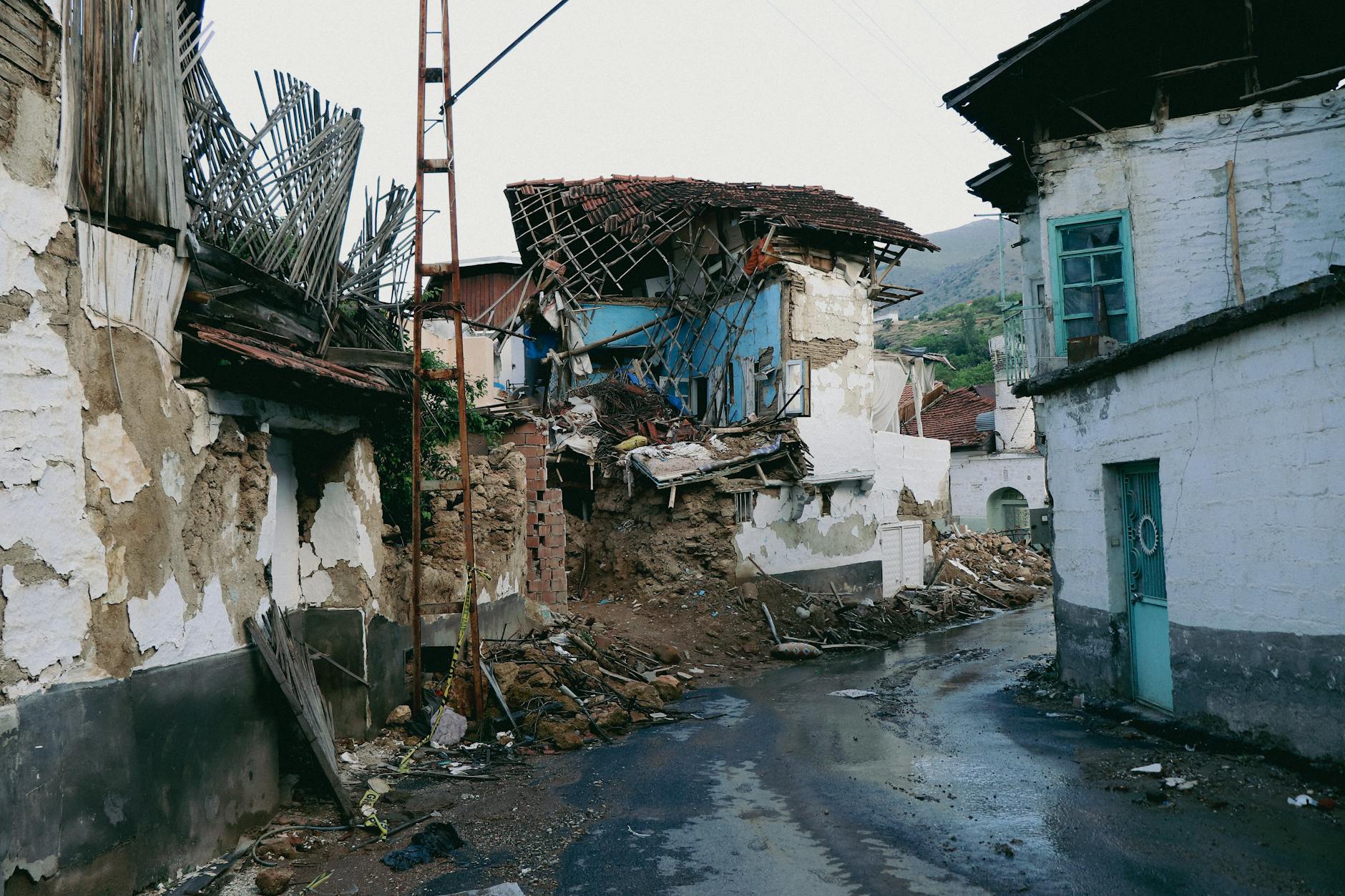
A devastating earthquake struck the southern Philippines yesterday, leaving a trail of destruction and chaos in its wake. According to reports, at least 32 people have been confirmed dead, with many more injured and missing. The magnitude-7.8 quake, which was felt across several countries in the region, triggered small tsunami waves in the Philippines, Indonesia, and Japan, causing widespread panic and disruption. The earthquake's epicenter was located in the southern Philippines, an area prone to seismic activity due to its location on the Pacific Ring of Fire.
The Philippines is no stranger to earthquakes, with the country experiencing frequent tremors and quakes due to its unique geology. The country is situated on the boundary between several tectonic plates, including the Eurasian, Philippine Sea, and Australian plates, making it one of the most seismically active regions in the world. In recent years, the Philippines has experienced several major earthquakes, including a magnitude-7.2 quake that struck the central island of Bohol in 2013, killing over 200 people and causing widespread destruction. The country's history of earthquakes has led to significant investments in disaster preparedness and response, with the government and emergency services working to mitigate the impact of such disasters.
The latest earthquake to strike the southern Philippines has raised concerns about the region's preparedness for such disasters. While the country has made significant progress in recent years in terms of disaster response and mitigation, much work remains to be done. The earthquake's impact was felt across several provinces, with reports of damaged buildings, roads, and infrastructure. The small tsunami waves triggered by the quake also caused concern, with many coastal residents evacuated as a precautionary measure. In Indonesia and Japan, where the tsunami waves were also felt, authorities reported minor damage and disruption, with no reports of casualties.
The regional impact of the earthquake highlights the need for greater cooperation and coordination between countries in the face of natural disasters. The Pacific Ring of Fire, which stretches from New Zealand to the Andes, is home to over 75% of the world's active volcanoes and experiences 90% of the world's largest earthquakes. The region's unique geology makes it prone to devastating natural disasters, including earthquakes, tsunamis, and volcanic eruptions. In recent years, countries in the region have worked to strengthen their disaster response and mitigation capabilities, with a focus on sharing knowledge, expertise, and resources. The latest earthquake to strike the southern Philippines serves as a reminder of the importance of such cooperation and the need for continued investment in disaster preparedness and response.
As the people of the southern Philippines begin the long process of recovery and rebuilding, the international community has pledged its support. Governments and aid agencies from around the world have offered assistance, including search and rescue teams, medical supplies, and financial aid. The Philippine government has also launched a relief effort, with troops and emergency services working to reach affected areas and provide assistance to those in need. The road to recovery will be long and challenging, but with the support of the international community and the resilience of the Philippine people, there is hope for a brighter future. In the meantime, the latest earthquake to strike the southern Philippines serves as a stark reminder of the importance of disaster preparedness and the need for continued investment in mitigation and response capabilities.
In conclusion, the earthquake that struck the southern Philippines yesterday is a devastating reminder of the region's unique geology and the importance of disaster preparedness. As the country begins the process of recovery and rebuilding, it is clear that much work remains to be done to mitigate the impact of such disasters. The international community has pledged its support, and it is hoped that this latest tragedy will serve as a catalyst for greater cooperation and investment in disaster response and mitigation. With the region's history of earthquakes and other natural disasters, it is imperative that countries work together to share knowledge, expertise, and resources to reduce the impact of such events. Only through such cooperation and investment can the region hope to build a safer and more resilient future for all its citizens.
Additional reporting via www.bbc.com





Be First to Comment