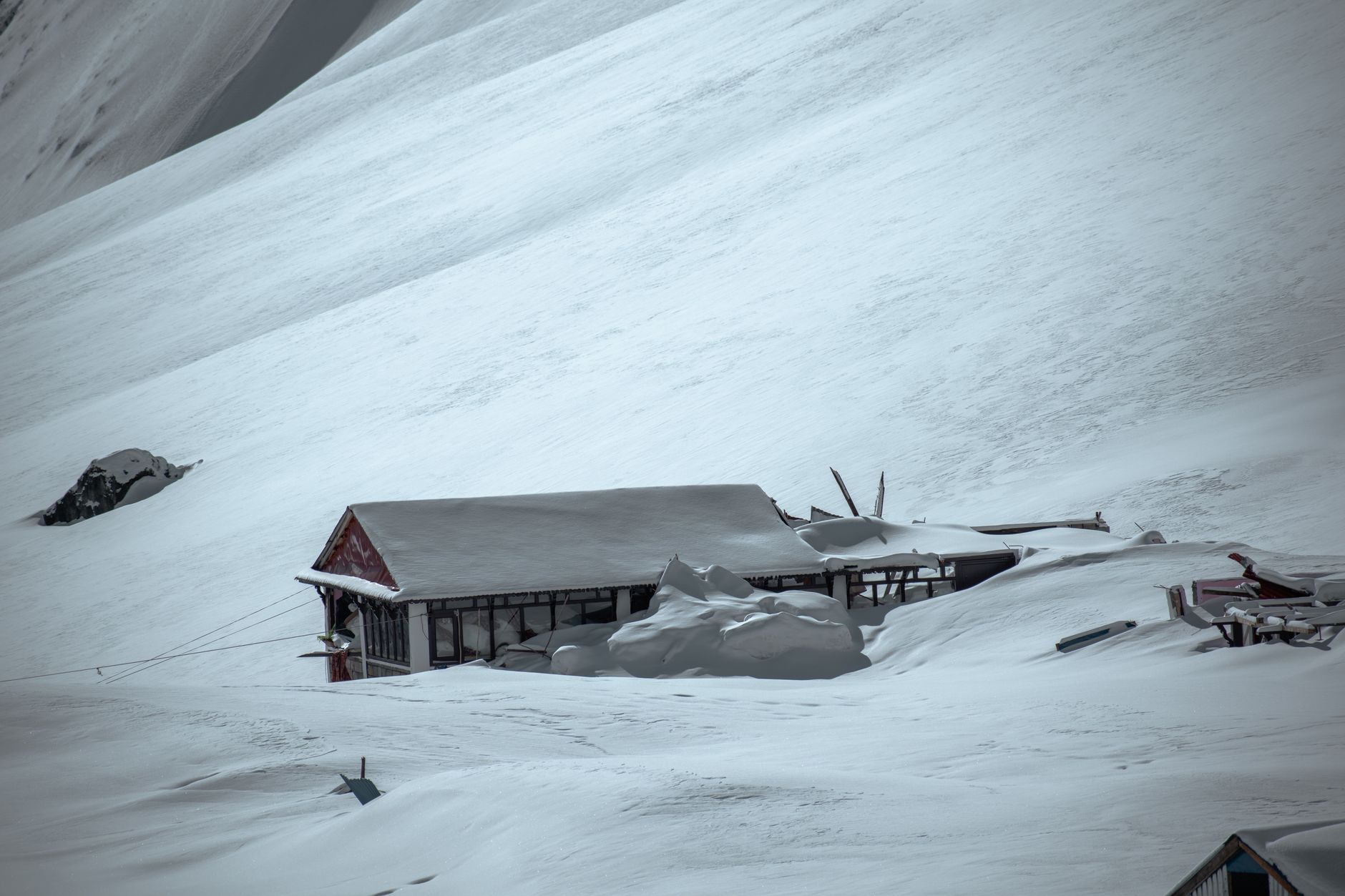
Avalanche disaster has struck again, this time claiming the lives of several climbers, including famed mountaineer Nirmal Purja, in pakistan. The climbing team, consisting of experienced climbers from around the world, including the U.S., was attempting to climb one of the tallest peaks on earth.
The incident has raised concerns about the safety of climbers in the region, with many questioning the risks involved in climbing such high-altitude peaks. The causes of the avalanche are still unknown, but experts speculate that it may have been triggered by a combination of factors, including weather conditions and the terrain of the mountain.
Avalanche Disaster: A Growing Concern
Avalanche disaster is a growing concern for climbers and adventure seekers. The Himalayas, where the incident occurred, are known for their unpredictable weather conditions and steep terrain, making them a high-risk zone for avalanches.
Despite the risks, many climbers are drawn to the region’s majestic peaks and breathtaking scenery. However, the recent incident serves as a reminder of the importance of safety precautions and careful planning when attempting to climb such high-altitude peaks.
Causes of Avalanche Disaster
There are several factors that can contribute to an avalanche disaster. These include:
- Weather conditions: Heavy snowfall, strong winds, and warm temperatures can all contribute to the formation of avalanches.
- Terrain: Steep slopes, rocky outcrops, and other features of the mountain terrain can increase the risk of an avalanche.
- Human error: Climbers who fail to follow safety protocols or ignore warning signs can increase their risk of being caught in an avalanche.
Understanding these factors is crucial in preventing avalanche disasters and ensuring the safety of climbers.
Implications of Avalanche Disaster
The recent avalanche disaster in pakistan has significant implications for the climbing community. It highlights the need for improved safety measures and more stringent regulations to prevent such incidents in the future.
Furthermore, the incident raises questions about the long-term sustainability of climbing in the region. As the number of climbers increases, so does the risk of accidents and environmental degradation.
Conclusion
In conclusion, the avalanche disaster in pakistan is a stark reminder of the risks involved in climbing high-altitude peaks. While the incident is tragic, it also serves as an opportunity for the climbing community to reflect on their practices and prioritize safety above all else. As the climbing season continues, it is essential that climbers remain vigilant and take necessary precautions to minimize their risk of being caught in an avalanche disaster.
Source: npr.org.






Be First to Comment