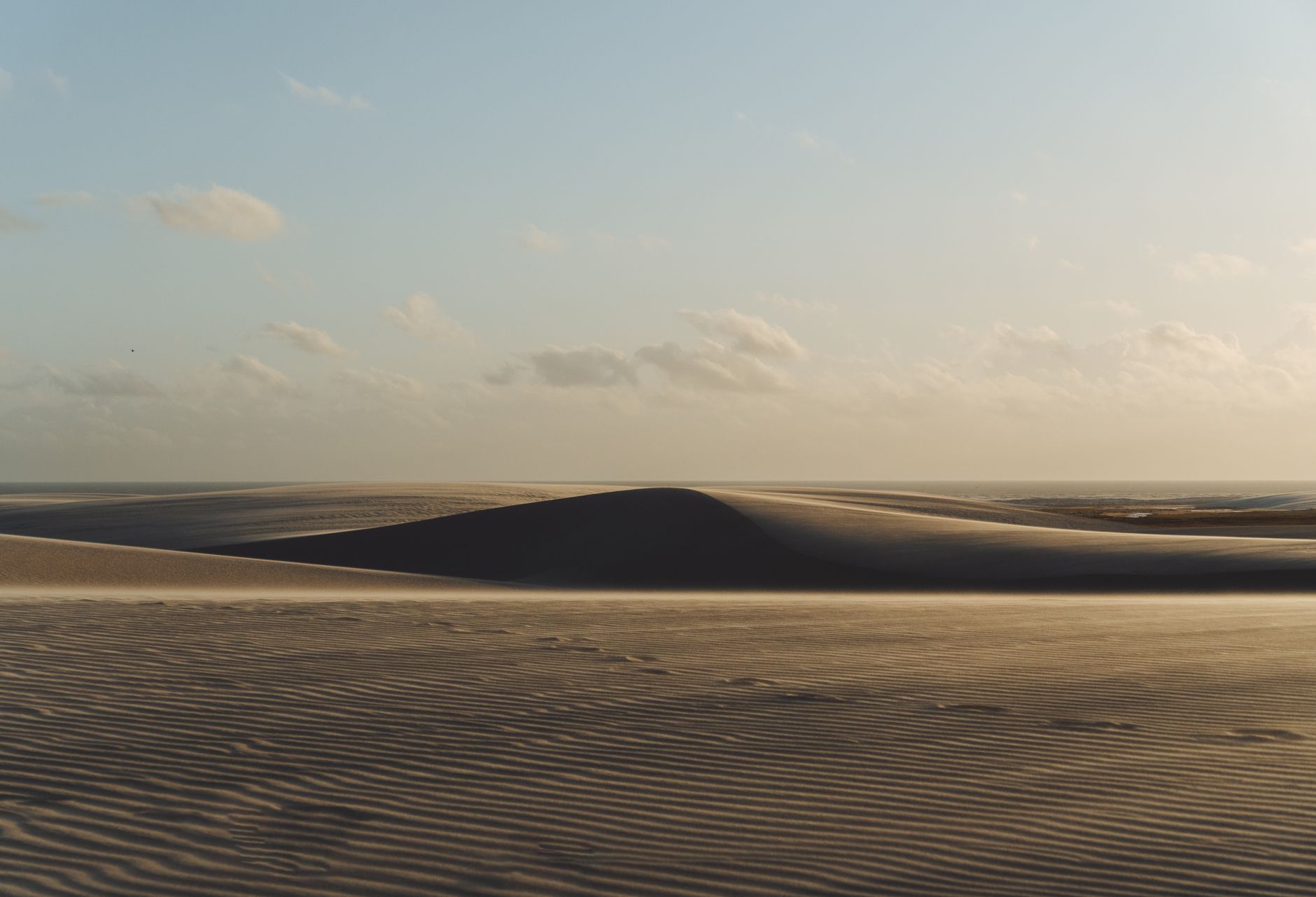
The pristine white sand dunes of the Lençóis Maranhenses National Park are bordered by thick jungle on one side and the Atlantic Ocean on the other, creating a unique landscape that is home to thousands of lagoons that fill up after the rainy season. brazil sand dunes are a popular destination for tourists and scientists alike, who come to marvel at the breathtaking scenery and study the ecosystem. The park is located in the northeastern part of Brazil, in the state of Maranhão, and is one of the most beautiful and fascinating places in the country.
The sand dunes of Lençóis Maranhenses are not just a natural wonder, but also a testament to the region’s rich geological history. The dunes were formed over thousands of years, as sand and sediment were carried by the wind and deposited in the area. Over time, the sand was compressed and cemented together, forming a solid mass that is now home to a wide variety of flora and fauna.
brazil sand dunes Ecosystem
The ecosystem of the Lençóis Maranhenses National Park is unique and fragile, and is home to a wide variety of plants and animals that are found nowhere else in the world. The park is a popular destination for scientists, who come to study the flora and fauna of the area and learn more about the ecosystem. The park is also home to many different species of birds, including the famous blue-and-yellow macaw, which is found only in this region of Brazil.
The lagoons that fill up after the rainy season are a key part of the ecosystem, providing a source of freshwater for the plants and animals that live in the park. The lagoons are also an important breeding ground for many species of fish and other aquatic animals, and are a popular destination for fishermen and nature lovers.
Conservation Efforts
Despite its natural beauty and importance, the Lençóis Maranhenses National Park is facing many threats, including deforestation, pollution, and climate change. The park is also vulnerable to human activities such as mining and agriculture, which can damage the ecosystem and disrupt the balance of nature. To protect the park and its ecosystem, the Brazilian government has implemented a number of conservation efforts, including the creation of protected areas and the enforcement of laws to prevent pollution and deforestation.
One of the most important conservation efforts in the park is the protection of the lagoons and the freshwater ecosystem. The lagoons are a key part of the ecosystem, and are home to many different species of plants and animals. To protect the lagoons, the park rangers and conservationists are working to prevent pollution and deforestation, and to promote sustainable tourism and land use practices.
Things to Do
There are many things to do in the Lençóis Maranhenses National Park, including hiking, camping, and swimming in the lagoons. Visitors can also take a guided tour of the park, which provides a unique opportunity to learn about the ecosystem and see the flora and fauna up close. Some of the top activities in the park include:
- Hiking and trekking through the sand dunes and jungle
- Swimming and kayaking in the lagoons
- Camping and glamping in the park
- Taking a guided tour of the park and learning about the ecosystem
- Wildlife watching and bird spotting
The Lençóis Maranhenses National Park is a unique and fascinating place, and is a must-see destination for anyone interested in nature, science, and conservation. With its breathtaking scenery, unique ecosystem, and wide variety of flora and fauna, the park is a true natural wonder of the world.
Conclusion
In conclusion, the brazil sand dunes of the Lençóis Maranhenses National Park are a unique and fascinating landscape that is home to a wide variety of flora and fauna. The park is a popular destination for tourists and scientists alike, and is an important location for conservation efforts. With its breathtaking scenery, unique ecosystem, and wide variety of plants and animals, the Lençóis Maranhenses National Park is a true natural wonder of the world, and is a must-see destination for anyone interested in nature and conservation.
Source: npr.org.






Be First to Comment