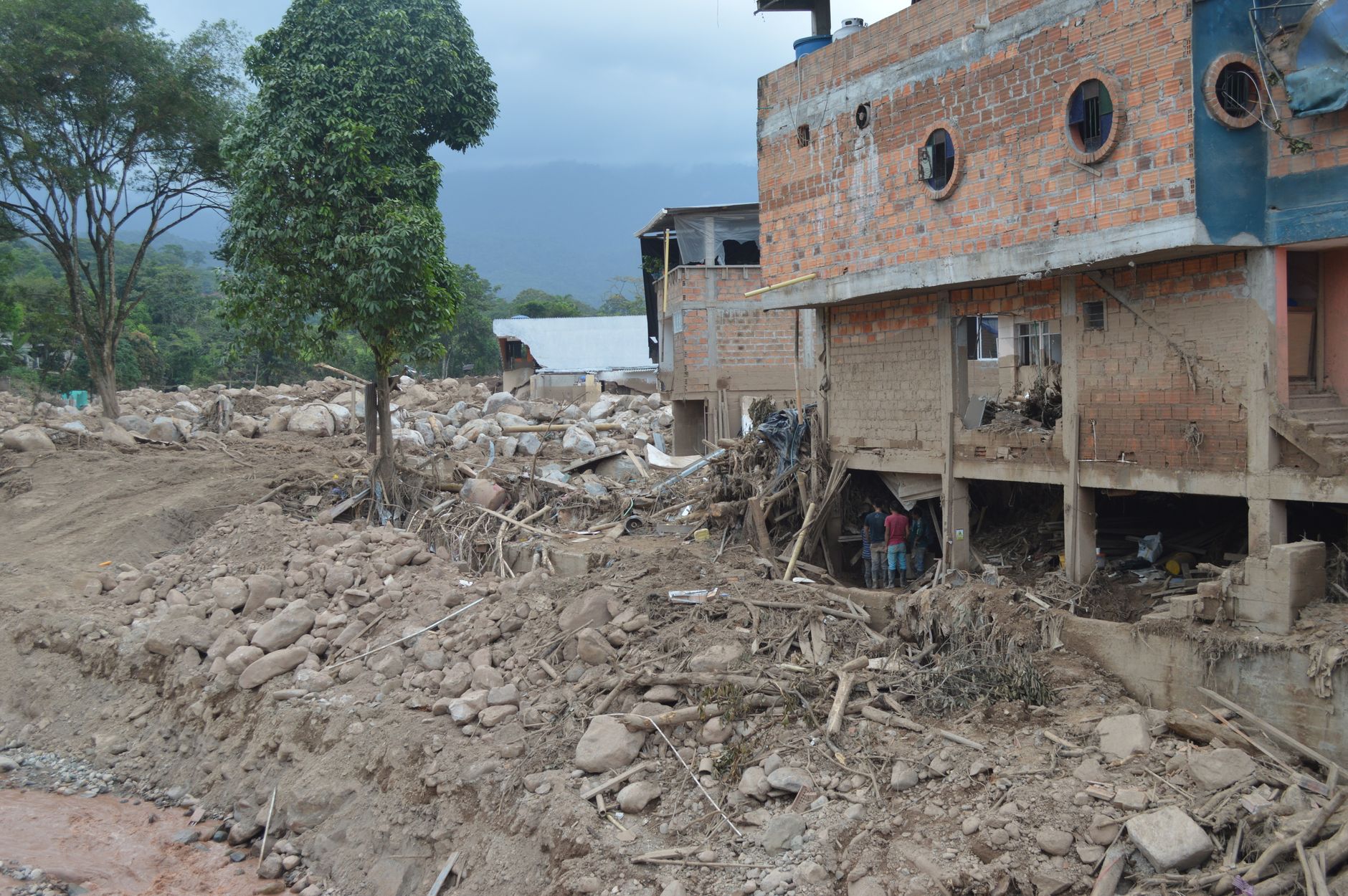
The colombia earthquake that struck the western region of the country has left a trail of destruction in its wake. With a magnitude of 7.4, the quake has resulted in the loss of at least 111 lives, with many more feared trapped under the rubble. Search teams and civilians are working tirelessly to rescue those buried under the debris, with a long line of volunteers passing large pieces of concrete and rubble down the line.
The city of Cali, the country’s third-largest city, has been severely affected, with many buildings reduced to rubble. The earthquake has also caused widespread damage to infrastructure, including roads, bridges, and homes. The affected areas are in dire need of aid, with rescue teams struggling to reach remote areas due to the damage caused by the quake.
colombia earthquake: A Growing Concern
Earthquakes are not uncommon in Colombia, with the country being located in a seismically active region. However, the frequency and intensity of the quakes have been increasing in recent years, raising concerns among the population. The colombia earthquake that struck in 2026 is one of the strongest to hit the country in recent years, highlighting the need for increased preparedness and disaster management.
The Colombian government has been working to improve its disaster response capabilities, with a focus on earthquake preparedness. However, more needs to be done to mitigate the impact of such disasters, including investing in infrastructure and providing adequate training to emergency responders.
Response Efforts
The response to the colombia earthquake has been swift, with search teams and emergency responders working around the clock to rescue those trapped. The government has also deployed military personnel to assist in the relief efforts, with a focus on providing aid to the affected areas.
International aid has also been pouring in, with countries such as the United States, Spain, and Brazil offering assistance. The aid includes food, shelter, and medical supplies, which are desperately needed in the affected areas.
Challenges Ahead
Despite the efforts of the rescue teams, the challenges ahead are significant. The colombia earthquake has left many without access to basic necessities such as food, water, and shelter. The psychological trauma caused by the quake is also a major concern, with many survivors struggling to come to terms with the loss of loved ones.
The road to recovery will be long and arduous, with many questions still unanswered. How will the government respond to the disaster in the long term? What measures will be taken to prevent such disasters in the future? These are just a few of the questions that will need to be addressed in the coming weeks and months.
- Increased funding for disaster preparedness and response
- Improved infrastructure to withstand earthquakes
- Enhanced training for emergency responders
- Psychological support for survivors
- Long-term planning for reconstruction and recovery
Conclusion
The colombia earthquake that struck in 2026 is a stark reminder of the importance of disaster preparedness and response. As the country begins the long process of recovery, it is essential that the government and international community work together to provide aid and support to those affected. The road ahead will be challenging, but with the right support and resources, Colombia can rebuild and emerge stronger than ever.
Source: npr.org.






Be First to Comment