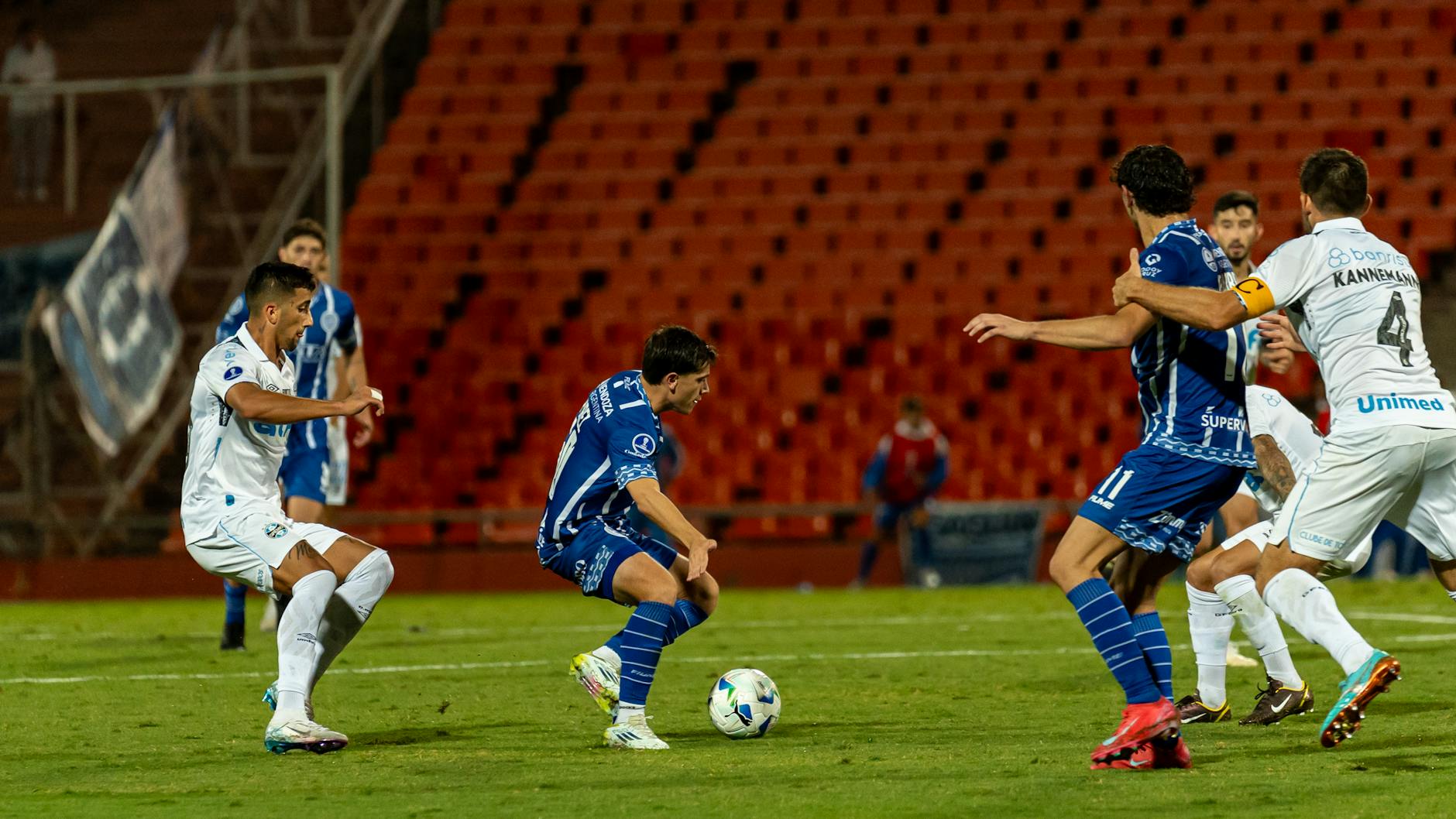
The football world held its collective breath on Sunday as Christian Eriksen, the Danish midfielder, collapsed on the pitch during a Euro 2020 match against Finland. The incident sent shockwaves throughout the sports community, with many fearing the worst for the 29-year-old player. However, thanks to the quick response of the medical team and a life-saving device implanted in Eriksen's chest, the outcome could have been much worse. According to Denmark's team doctor, the Implantable Cardioverter-Defibrillator (ICD) that was implanted in Eriksen's chest after he was diagnosed with a heart condition, responded as it should, potentially saving his life.
The ICD, a small device that is implanted under the skin, is designed to monitor the heart's rhythm and deliver an electric shock if it detects any abnormal rhythms. In Eriksen's case, the device was implanted after he was diagnosed with a heart condition that made him prone to irregular heartbeats. The device is designed to be a safety net, providing an immediate response in the event of a life-threatening arrhythmia. On Sunday, it appears that the device kicked into action, delivering a shock to Eriksen's heart and potentially preventing a more serious outcome. The fact that the device responded as it should is a testament to the advancements in medical technology and the importance of proactive measures in preventing cardiac emergencies.
The incident has brought attention to the importance of cardiac health in athletes, particularly those who engage in high-intensity sports like football. Sudden cardiac death, although rare, is a risk that athletes face, and it is often caused by underlying heart conditions that may not have been previously diagnosed. In recent years, there have been several high-profile cases of athletes suffering from cardiac emergencies, highlighting the need for increased awareness and screening. The use of ICDs, like the one implanted in Eriksen's chest, is becoming more common, particularly among athletes who have been diagnosed with heart conditions. These devices provide an added layer of protection, giving athletes and their families peace of mind and allowing them to continue competing at the highest level.
The response of the medical team on Sunday has also been widely praised, with many hailing their quick thinking and expertise as instrumental in saving Eriksen's life. The team's doctor and other medical staff were on the scene quickly, providing critical care and stabilizing Eriksen before he was transported to the hospital. The incident highlights the importance of having trained medical professionals on hand at all times, particularly during high-intensity sporting events. The prompt response of the medical team, combined with the life-saving device implanted in Eriksen's chest, likely made all the difference in preventing a more serious outcome.
As Eriksen continues to recover, the incident has sparked a wider conversation about cardiac health in sports. The football community has come together to offer its support, with many players and teams sending well-wishes to the Danish midfielder. The incident has also raised questions about the protocols in place for responding to cardiac emergencies in sports, with many calling for increased awareness and screening. While the outcome could have been much worse, the fact that Eriksen is recovering is a testament to the advances in medical technology and the importance of proactive measures in preventing cardiac emergencies. As the investigation into the incident continues, one thing is clear: the device implanted in Eriksen's chest and the quick response of the medical team likely saved his life, and their actions will have a lasting impact on the sports community.
In the aftermath of the incident, there will likely be a renewed focus on cardiac health in sports, with a particular emphasis on screening and prevention. The use of ICDs, like the one implanted in Eriksen's chest, will likely become more common, particularly among athletes who have been diagnosed with heart conditions. The incident has also highlighted the importance of having trained medical professionals on hand at all times, particularly during high-intensity sporting events. As the sports community continues to grapple with the implications of the incident, one thing is clear: the actions of the medical team and the life-saving device implanted in Eriksen's chest have set a new standard for responding to cardiac emergencies in sports, and their legacy will be felt for years to come.
Additional reporting via www.bbc.com






Be First to Comment