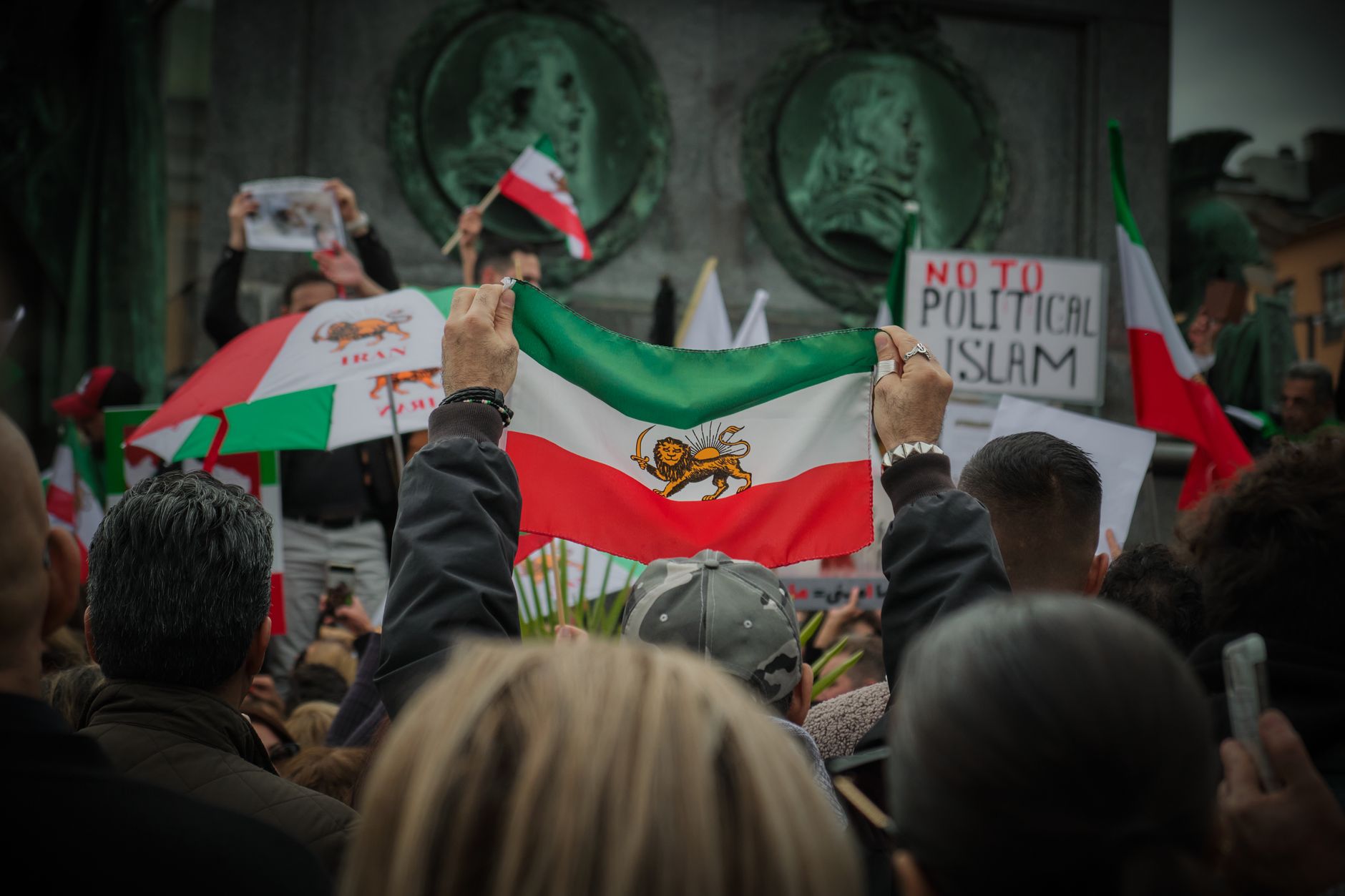
The iran conflict has resumed with attacks on US forces in the Middle East, sparking concerns about regional stability. The latest escalation comes after a period of relative calm, and it remains to be seen how the situation will unfold. The conflict has been ongoing for years, with both sides suffering significant losses.
The roots of the conflict are complex and multifaceted, involving political, economic, and strategic interests. The US has been involved in the region for decades, and its presence has been a source of tension with Iran. The current situation is further complicated by the involvement of other regional players, including Saudi Arabia and Israel.
Iran Conflict: A Brief History
The iran conflict has its roots in the 1979 Iranian Revolution, which saw the overthrow of the US-backed Shah and the establishment of an Islamic republic. The new government was hostile to the US, and the two countries have been at odds ever since. The conflict has escalated over the years, with both sides engaging in proxy wars and cyber attacks.
The US has imposed significant economic sanctions on Iran, which have had a devastating impact on the country’s economy. The sanctions have also had a humanitarian impact, with many Iranians struggling to access basic necessities like food and medicine. The iran conflict has also had a significant impact on the global economy, with oil prices fluctuating in response to developments in the region.
Key Players in the Iran Conflict
There are several key players in the iran conflict, including the US, Iran, Saudi Arabia, and Israel. Each of these countries has its own interests and motivations, and they have all been involved in the conflict to varying degrees. The US has been the most prominent player, with its military presence in the region and its economic sanctions on Iran.
- The US: The US has been involved in the region for decades, and its presence has been a source of tension with Iran.
- Iran: Iran has been hostile to the US since the 1979 revolution, and it has been involved in proxy wars and cyber attacks against American interests.
- Saudi Arabia: Saudi Arabia has been a key player in the region, and it has been involved in a proxy war with Iran in Yemen.
- Israel: Israel has been a key ally of the US in the region, and it has been involved in the conflict with Iran.
The iran conflict has significant implications for global security and politics. The conflict has the potential to escalate into a wider war, drawing in other regional players and potentially even global powers. The conflict also has significant economic implications, with the potential to disrupt oil supplies and impact the global economy.
Implications of the Iran Conflict
The iran conflict has significant implications for the region and the world. The conflict has the potential to escalate into a wider war, and it has already had a significant impact on the global economy. The conflict has also had a humanitarian impact, with many people in the region struggling to access basic necessities.
The international community has been calling for a peaceful resolution to the conflict, but it remains to be seen whether this will be possible. The US and Iran have been engaged in diplomatic efforts, but these have been slow to produce results. The conflict is likely to continue for the foreseeable future, with significant implications for the region and the world.
Questions to Watch
There are several questions to watch in the iran conflict, including the potential for escalation, the impact on the global economy, and the humanitarian implications. The conflict is complex and multifaceted, and it will require a comprehensive and nuanced approach to resolve. The international community will need to work together to find a peaceful solution, and it will require significant diplomatic efforts to achieve this goal.
Source: npr.org.






Be First to Comment