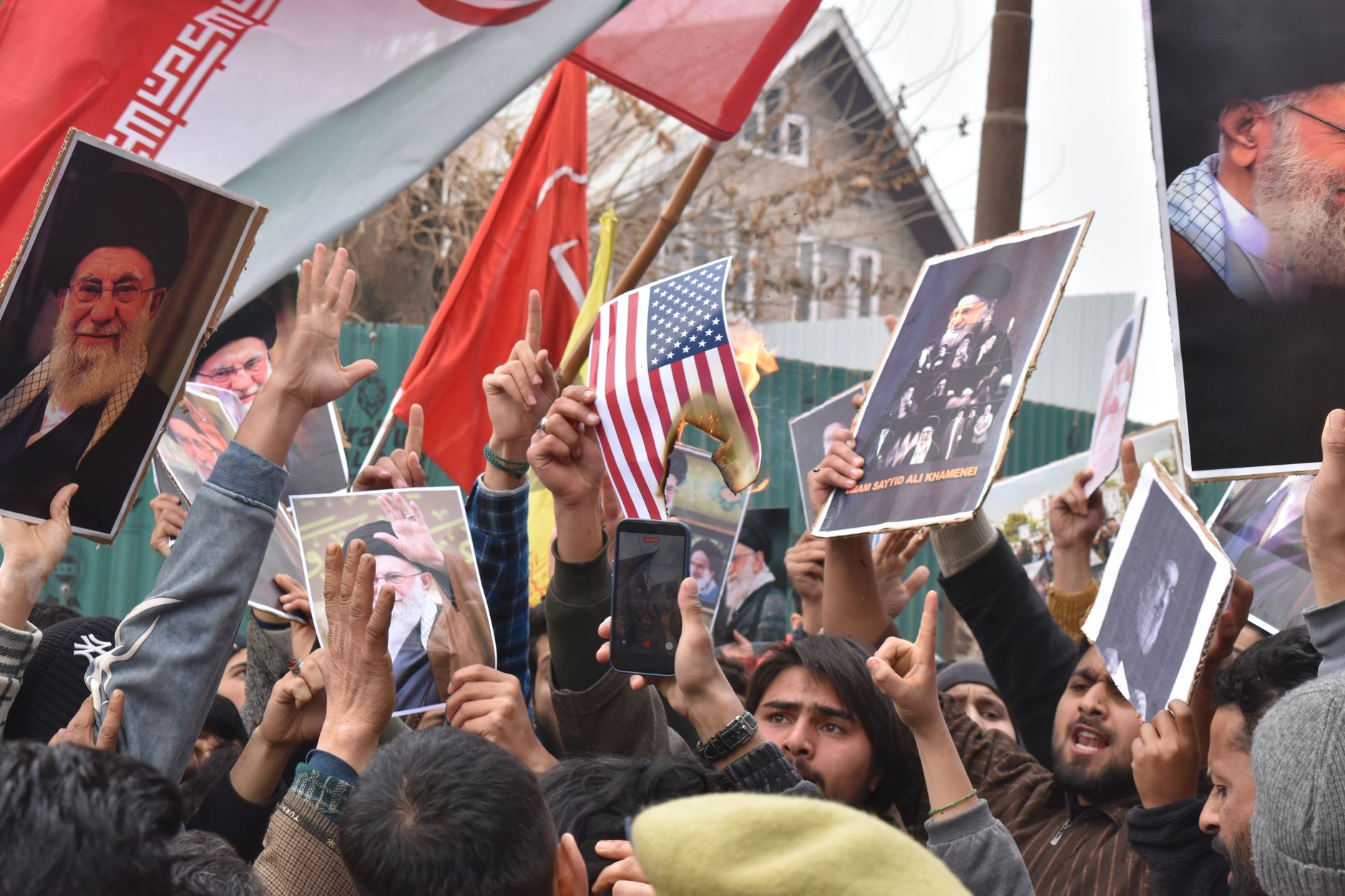
The funeral of Iran’s late supreme leader, Ali Khamenei, has taken place at the Imam Reza shrine, Iran’s holiest Shia Muslim site, marking the end of six days of public mourning ceremonies. iran supreme leader was laid to rest in a ceremony attended by thousands of mourners. The shrine, located in the city of Mashhad, is a significant pilgrimage site for Shia Muslims and has played a crucial role in Iran’s history and culture.
The six-day mourning period was a time of national grief, with many Iranians paying their respects to the late leader. The ceremonies were marked by processions, prayers, and eulogies, as people from all walks of life came together to bid farewell to the man who had led the country for over three decades.
Iran Supreme Leader: A Life of Leadership
Ali Khamenei was a key figure in Iran’s Islamic Revolution, which overthrew the monarchy in 1979. He played a crucial role in shaping the country’s post-revolutionary government and was appointed as the supreme leader in 1989. Under his leadership, Iran experienced significant economic growth, as well as improvements in education and healthcare.
However, his rule was also marked by controversy, including the suppression of dissent and the restriction of civil liberties. The country’s human rights record was a subject of concern for many international organizations and governments.
Implications of the Iran Supreme Leader’s Death
The death of Ali Khamenei has significant implications for Iran’s future. The country is likely to undergo a period of transition, as a new supreme leader is appointed. This could lead to changes in the country’s domestic and foreign policies, as well as its relationships with other nations.
The process of selecting a new supreme leader is complex and involves the Guardian Council, a group of senior clerics and jurists. The council will choose a candidate who is deemed to be suitable for the role, based on their religious credentials and experience.
Iran’s Holiest Shia Site: The Imam Reza Shrine
The Imam Reza shrine, where Ali Khamenei was buried, is one of the most important Shia Muslim sites in the world. The shrine is dedicated to the eighth Shia imam, Ali al-Rida, who died in the 9th century. It is a major pilgrimage site, attracting millions of visitors each year.
The shrine has played a significant role in Iran’s history, serving as a center of learning and culture. It has also been a symbol of Shia identity and a source of national pride.
Questions to Watch
As Iran begins a new chapter in its history, there are several questions that will be worth watching. These include:
- Who will be appointed as the new supreme leader, and what will be their priorities for the country?
- How will the new leader approach issues such as human rights and civil liberties?
- What will be the impact of the transition on Iran’s relationships with other countries, particularly in the region?
- How will the country balance its economic and social development with its ideological and strategic goals?
The answers to these questions will have significant implications for Iran’s future, as well as for the wider region. As the country navigates this period of transition, it will be important to watch for signs of change and continuity.
Conclusion
The burial of Iran’s late supreme leader, Ali Khamenei, marks the end of an era in the country’s history. As the nation begins a new chapter, it will be important to watch for signs of change and continuity. The selection of a new supreme leader will be a critical moment in this process, and will have significant implications for Iran’s future.
Source: bbc.co.uk.






Be First to Comment