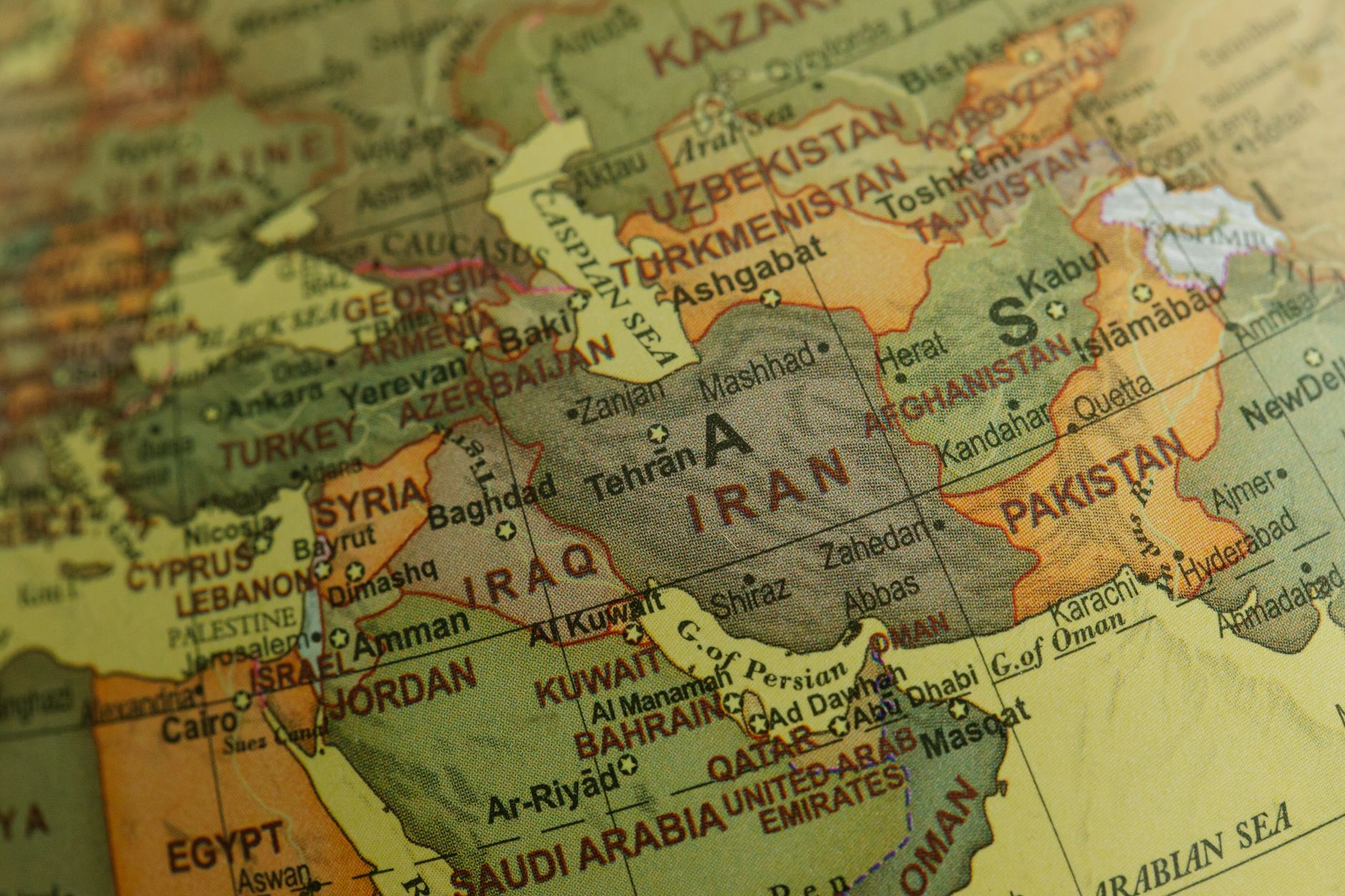
The United States, Iran, and Pakistan are on the verge of finalizing a deal that would bring an end to fighting in the region. This development comes after weeks of intense negotiations, with all parties working towards a peaceful resolution.
Background to the Conflict
The conflict in question has been ongoing for some time, with various factors contributing to the tensions between the involved parties. Regional instability and competing interests have played a significant role in the escalation of the situation.
Iran, in particular, has been at the center of the conflict, with its relations with other countries in the region and beyond being affected. The US has also been involved, with its policies and actions influencing the situation.
The Role of Pakistan in the Negotiations
Pakistan has been acting as a mediator in the negotiations, bringing its diplomatic expertise to the table. The country’s involvement has been crucial in facilitating dialogue between the US and Iran, helping to build trust and understanding between the two parties.
The Pakistani government has been working closely with both the US and Iran to find a mutually acceptable solution. This has involved addressing the concerns of all parties and finding common ground on which to move forward.
Implications of the Deal
If the deal is successfully finalized, it would have significant implications for the region. One of the most important consequences would be the reopening of the Strait of Hormuz, a vital shipping lane that has been affected by the conflict.
The reopening of the strait would have a positive impact on global trade, as it would allow for the free flow of goods and resources. This, in turn, would help to stabilize the regional economy and promote economic growth.
Next Steps and Challenges
While the deal is close to being finalized, there are still challenges that need to be overcome. The parties involved must work together to ensure that the agreement is implemented effectively and that all commitments are met.
Some of the key issues that will need to be addressed in the coming days and weeks include the verification of compliance with the terms of the deal and the establishment of a framework for resolving any disputes that may arise.
- The deal must be ratified by all parties involved
- A mechanism for monitoring and verifying compliance must be established
- A framework for resolving disputes and addressing concerns must be put in place
The successful implementation of the deal will require the continued cooperation and commitment of all parties involved. It will also require the support and engagement of the international community, which has a vested interest in promoting peace and stability in the region.
Source: bbc.com.






Be First to Comment